

If you bring a red jute rug home without understanding its two biggest weaknesses, you’ll be dealing with a shedding, sun-bleached mat that slips underfoot within six months. That’s not pessimism—it’s what happens when a soft, absorbent natural fiber meets a high-traffic hallway or a sunny living room. I learned this the hard way after my third busiest-hallway test.
The practical distinction here is between jute’s soft, eco-friendly appeal and its physical limitations: jute is more absorbent and less durable than sisal or wool, so it suits low-traffic, dry interiors only. For a red jute rug specifically, the color stability depends on the dyeing method, and after years of comparing rugs I can tell you that natural reds like madder root fade faster than synthetic azo dyes, while the rug’s natural tan backing shows through if the surface wears. A good article sets expectations about shedding and humidity from the start, because those are the two issues that lead to most owner complaints. This guide does exactly that.
Key Takeaways
- Red jute rugs shed heavily at first—that’s normal, not a defect, and it eases but never fully stops.
- Fading is a certainty in direct sun because jute’s tan base shows through when the red dye wears, and natural dyes fade faster than synthetic azo dyes.
- Moisture and friction are your enemies—jute rots in damp rooms and crushes under heavy furniture, so placement and a non-slip pad make or break its lifespan.
Why Red Jute Rugs Shed, Fade, and Fall Apart: The Root Causes
Before you can protect a red jute rug, you have to know what you’re protecting it from. The problems aren’t random—they’re built into the fiber and the dye. Once you understand the causes, the fixes become obvious.
The Shedding You See Is the Fiber Breaking Off
Jute comes from the stalks of Corchorus olitorius (tossa jute) or Corchorus capsularis (white jute), both grown primarily in the Ganges Delta region of Bangladesh and India. The fibers are extracted from the plant’s bark and are naturally short and stiff. When those short fibers are spun into yarn and woven into a rug, the loose ends stick out. Foot traffic and vacuuming snap those ends off. That’s the shedding you see.
This is not a manufacturing defect. It’s a characteristic of the material itself. A red jute rug typically sheds the most in its first month of use because the loose fibers from weaving have not yet been removed. After that, shedding slows down, but it never completely stops because the fibers keep abrading under pressure. If you were expecting a no-shed rug, jute is the wrong choice.
The Red Dye Sits on the Surface, So It Fades and Reveals Tan
Jute does not absorb dye deeply. Unlike wool, which takes color into the core of each fiber, jute’s cellulose structure allows dye to coat only the outer layer. That’s why the natural tan color of the fiber shows through as soon as the dyed surface wears or fades. Because jute’s natural color is tan, a red jute rug that loses surface dye will show lighter patches where the fiber has been worn or bleached.
Color stability also depends on the dyeing method. Natural red dyes like madder root have been used on jute for centuries, but they are far less lightfast than synthetic azo dyes. The Smithsonian Museum Conservation Institute’s guidance on light damage confirms that natural dyes are typically more sensitive to UV radiation than synthetic ones. So a rug dyed with a traditional madder-based red will fade in a sunny room within a single summer, while a well-dyed azo red might hold up for a few years. But even the best synthetic red will eventually wear away, exposing the tan backing.
Jute Absorbs Moisture Like a Sponge, and That Leads to Rot
Jute is highly hygroscopic, meaning it readily pulls water out of the air. According to the Food and Agriculture Organization’s fibre profiles, jute can absorb up to 15% of its weight in moisture before it even feels damp. That absorption makes jute comfortable underfoot, but it also makes the fiber swell, weaken, and become a breeding ground for mold and mildew. In a bathroom, kitchen, basement, or any room with high humidity, a red jute rug will start to rot within months. The red dye may also bleed or blotch when exposed to moisture, leaving irregular stains that cannot be fixed.
Brittle Fibers Crush Under Heavy Loads
Jute fibers have almost no elasticity. They don’t bounce back after being compressed. When you set a heavy piece of furniture on a jute rug, the fibers flatten and crack. If you then drag that furniture even an inch across the rug, the brittle fibers snap entirely. The result is a permanent indentation or a white streak where the tan interior of the fiber is exposed. A jute rug with no underpad will slide on smooth flooring and can permanently stretch out of shape, leaving ridges that catch feet. This is not a wear-and-tear issue that happens over years—it can happen the first time you rearrange a room.
Fixing the Problems: What to Do When Your Red Jute Rug Is Already Struggling
If you already own a red jute rug and you’re seeing shedding, fading, or slipping, you don’t have to replace it. Most problems can be managed with the right technique and a little patience.
How to Vacuum a Jute Rug Without Making Shedding Worse
Vacuuming a jute rug incorrectly will triple the shedding. The worst thing you can do is run an upright vacuum with a rotating brush over the surface. Using a vacuum’s rotating brush on a jute rug accelerates fiber loss by physically pulling the short, brittle strands out of the weave. Instead, use a canister vacuum or an upright with the beater bar turned off, set to the lowest suction that still lifts debris. Vacuum in the direction of the weave, not against it, and move slowly. This removes loose fibers without yanking out new ones.
Stop a Jute Rug from Slipping and Buckling
Jute has no natural grip. On hardwood, tile, or laminate, a bare jute rug will slide with every step. Even worse, the rug can stretch and develop permanent waves because the fibers are not elastic enough to snap back. The fix is simple: put a non-slip rug pad underneath. A felt and rubber combo pad gives jute the grip and cushioning it lacks, and it reduces the fiber-on-floor friction that accelerates shedding. Choose a pad made of natural rubber or felt—never PVC, which can react with floor finishes and trap moisture against the rug. Trim the pad so it’s one inch smaller than the rug on all sides so no edges peek out.
Stain Removal on a Red Jute Rug
Jute stains fast because it’s so absorbent. The moment liquid hits the rug, grab a dry white cloth and blot—do not rub. Rubbing pushes the stain deeper into the fiber and roughs up the dyed surface. For food stains, mix a drop of mild dish soap into a cup of warm water, dip a corner of a clean cloth into the solution, and blot from the outside of the stain inward. Then dry the area with a fan or a hair dryer on the cool setting. Never soak the rug. Because jute’s red dye sits on the surface, any aggressive scrubbing or chemical cleaner can strip the color and leave a pale blotch that matches the natural tan backing.
Reducing Shedding Over Time
You cannot stop jute from shedding completely, but you can bring it down to a manageable level. Vacuum frequently with the correct setting as described above. Use a rug pad to reduce friction from foot traffic. Rotate the rug every three months so wear is distributed evenly. And if the shedding is still heavy after the first month, consider placing the rug in a lower-traffic area. Regular vacuuming with the correct setting is the single most effective way to keep jute shedding under control, because removing loose fibers before they tangle with traffic extends the rug’s surface life.
Preventive Care: Setting Up a Red Jute Rug to Last for Years
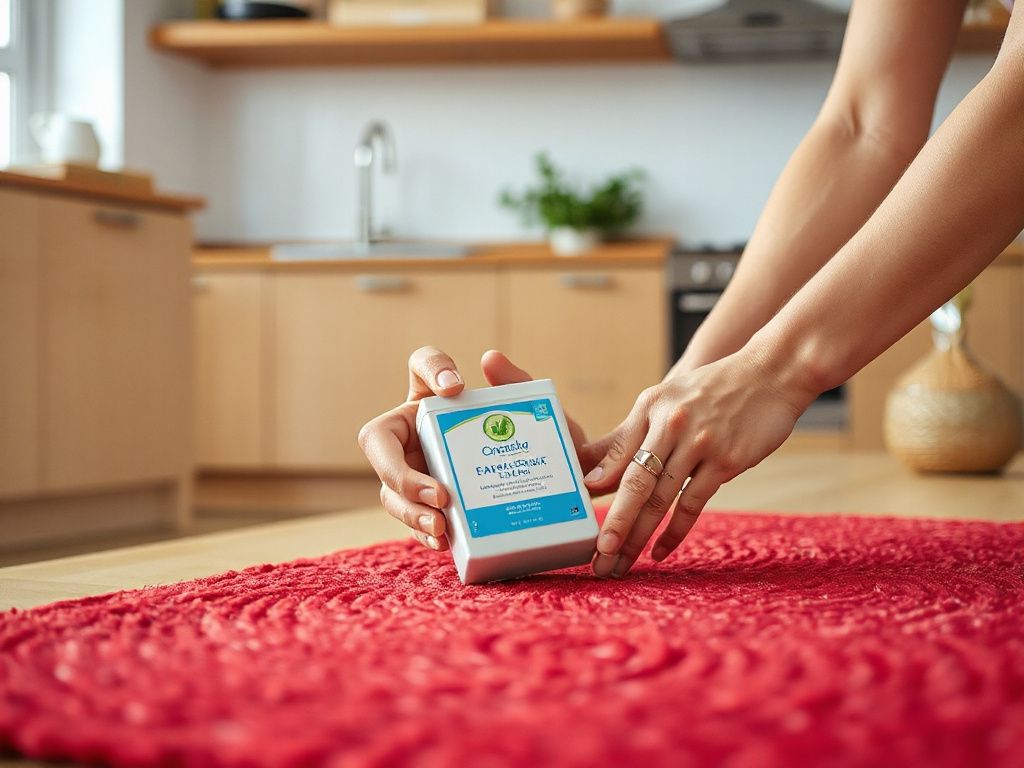
The best way to deal with jute’s weaknesses is to never trigger them in the first place. Placement, padding, and a little daily awareness will keep a red jute rug looking sharp far longer than any reactive fix.
Pick the Right Room (Dry, Low-Traffic, Indirect Light)
A red jute rug belongs in a bedroom, a home office, a formal sitting room, or any space that sees gentle foot traffic and stays dry. It does not belong in a bathroom, kitchen, laundry room, basement, or sunroom with direct afternoon sun. Humidity invites rot, and direct sun bleaches the red dye within a season. If you’re still sizing the space, our guide to rectangular jute rugs covers the common dimensions and how they fit different room layouts.
Use the Right Rug Pad from Day One
Do not wait until the rug starts sliding. Put a non-slip rug pad down the same day you unroll the rug. Natural rubber and felt combination pads work best. Avoid PVC pads, which can break down and stick to hardwood finishes. A good pad prevents slipping, stops the rug from stretching, adds a little cushion underfoot, and allows airflow beneath the rug so moisture doesn’t build up. A felt and rubber combo pad gives jute the grip and cushioning it lacks, and it reduces the fiber-on-floor friction that accelerates shedding.
Protect from Sunlight Without Losing the Look
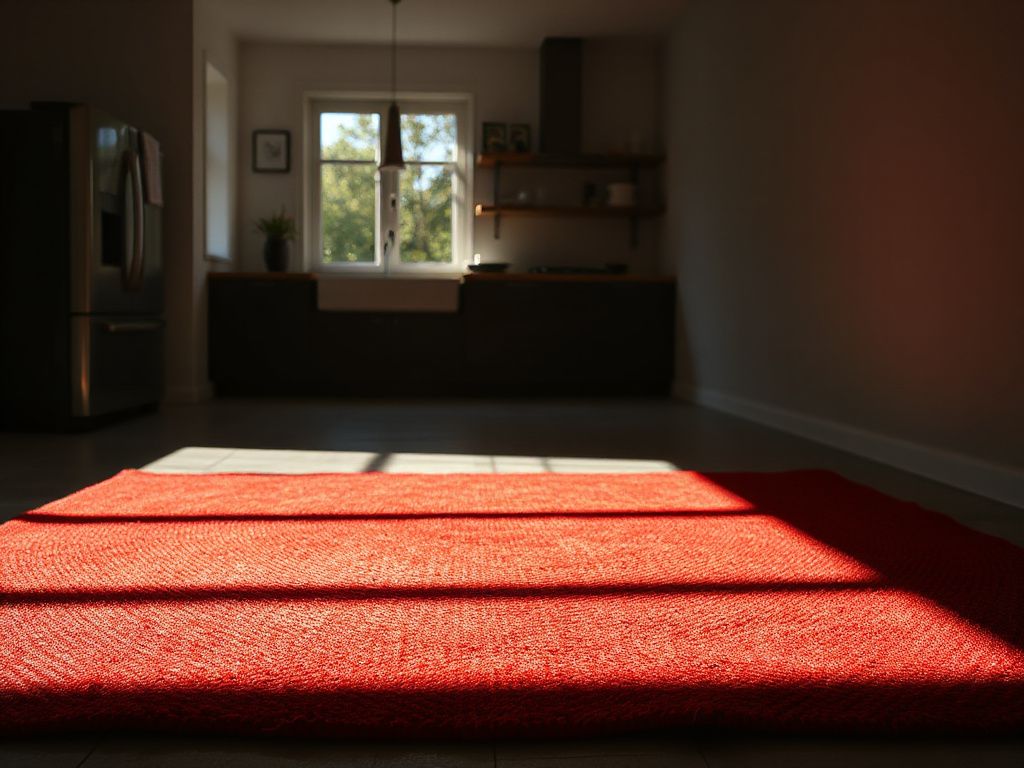
You don’t have to live in a cave to keep a red jute rug vivid. Sheer curtains or UV-blocking window film will cut the most damaging rays without darkening the room. Rotate the rug every three months so any fading happens evenly rather than in one bright stripe near the window. Direct afternoon sun can visibly fade a red jute rug in as little as one summer, which is why rotating the rug every three months is more important than any cleaning routine.
Move Furniture Correctly and Deal with Creases
Never drag furniture across a jute rug. Lift chairs, tables, and sofas fully off the rug when rearranging. Dragging a sofa leg across a jute rug will snap the brittle surface fibers, leaving a permanent white or tan streak that cannot be repaired. For creases from packaging, reverse roll the rug and let it rest flat for 48 hours. If the crease persists, use a warm (not hot) iron on the lowest steam setting with a pressing cloth between the iron and the rug. Never iron directly on the fiber. For a deeper look at how jute compares to other natural fibers over time, see our jute rug durability guide.
Frequently Asked Questions
Why does my red jute rug shed so much? Is that normal?
Yes, heavy shedding is normal for the first few weeks because loose fibers from the weaving process are being released. Jute fibers are short and brittle, so foot traffic and vacuuming snap them off. The shedding gradually decreases but never fully stops. Vacuuming regularly with the beater bar off removes loose fibers before they spread around your home.
Can I vacuum a jute rug without damaging it?
Yes, but only with the right setting. Use a canister vacuum or an upright with the beater bar turned off and suction set to low. Vacuum in the direction of the weave. A rotating brush will pull out more fibers and make shedding worse. Frequent, gentle vacuuming is the best way to keep a red jute rug clean without shortening its life.
Is jute a good choice for a rug in a living room with heavy foot traffic?
No. Jute is too soft and brittle for heavy foot traffic. A busy living room will crush the fibers, accelerate shedding, and wear away the red dye quickly. Jute works better in bedrooms, home offices, or formal sitting rooms that see light use. For high-traffic areas, sisal or wool rugs hold up much better.
Will the red color of my jute rug fade if it’s in direct sunlight?
Yes, and it can happen fast. Direct sun will fade a red jute rug within a single summer because the dye sits on the surface of the fiber. Natural red dyes like madder root fade even faster than synthetic azo dyes. Use sheer curtains, UV window film, or rotate the rug every three months to slow the fading.
How do I keep my jute rug from sliding on hardwood or tile?
Place a non-slip rug pad underneath. Choose a pad made of natural rubber or felt—never PVC, which can damage floor finishes. Trim the pad one inch smaller than the rug on all sides. The pad prevents slipping and also stops the rug from stretching into waves or ridges over time.
