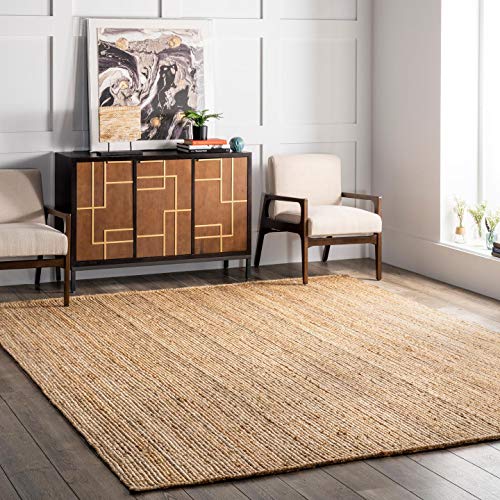

A jute rug left on a damp concrete floor for a single season will turn into a musty, disintegrating mess. That is not an exaggeration. Jute’s plant fibers are hydrophilic, meaning they absorb moisture quickly and hold onto it, inviting mold and weakening the weave. Understanding jute rug durability before you buy or place one could save you from pulling up a ruined rug six months later.
In my years working with natural fiber textiles, the single greatest misconception about jute rugs is that they’re indestructible because they’re plant-based. In reality, jute is among the most vulnerable natural fibers when it comes to moisture and abrasion. The key to making a jute rug last is acknowledging that its beauty lies in its softness, not its toughness, and treating it accordingly. That softness is exactly why the durability of jute rugs gets debated so often.
If you are still deciding whether a jute rug fits your room, our guide to rectangular jute rug options covers sizing and placement factors that directly affect how long the rug will hold up.
Key Takeaways
- Jute rugs typically last 3–5 years in low-traffic rooms, but high traffic or moisture cuts that lifespan dramatically.
- Shedding is normal for new jute rugs and does not indicate a defect, though excessive shedding after months signals fiber damage.
- Moisture is jute’s biggest enemy—prolonged dampness causes rot, mold, and irreversible weakening of the weave.
- Using a rug pad, rotating regularly, and avoiding direct sunlight are the three most effective ways to extend jute rug durability.
What Determines Jute Rug Durability?
Jute is a bast fiber extracted from the stems of Corchorus olitorius and Corchorus capsularis, two plant species grown primarily in Bangladesh and India. These fibers have good tensile strength for a natural material, but that strength does not translate to abrasion resistance or moisture tolerance. A single jute fiber can snap under repeated friction far more easily than wool or sisal. The weave construction also matters: a tightly twisted, densely packed jute rug resists crushing better than a loosely braided one.
The largest variable in how long a jute rug lasts is not the fiber itself but where you put it. A jute rug under a dining table will see chair legs scraping across it daily. The same rug in a rarely used guest bedroom may look nearly new after three years. Placement determines traffic, and traffic determines wear.
Fiber Origin and Processing
Jute fibers are composed of cellulose and lignin, which give them stiffness but also make them brittle when dry. Manufacturers often soften jute with oils or water during spinning, which improves hand feel but reduces long-term resilience. The OEKO-TEX Standard 100 certification, when present, confirms that no harmful chemicals were used in processing, but it says nothing about mechanical durability. A certified jute rug can still shred under a rolling office chair.
One self-contained fact worth quoting: jute fiber absorbs up to 40% of its weight in moisture before feeling wet to the touch, according to textile industry sources. That high absorption rate is why jute rugs fail so quickly in basements, bathrooms, or near exterior doors.
Why Jute Rugs Wear Out: The Main Causes
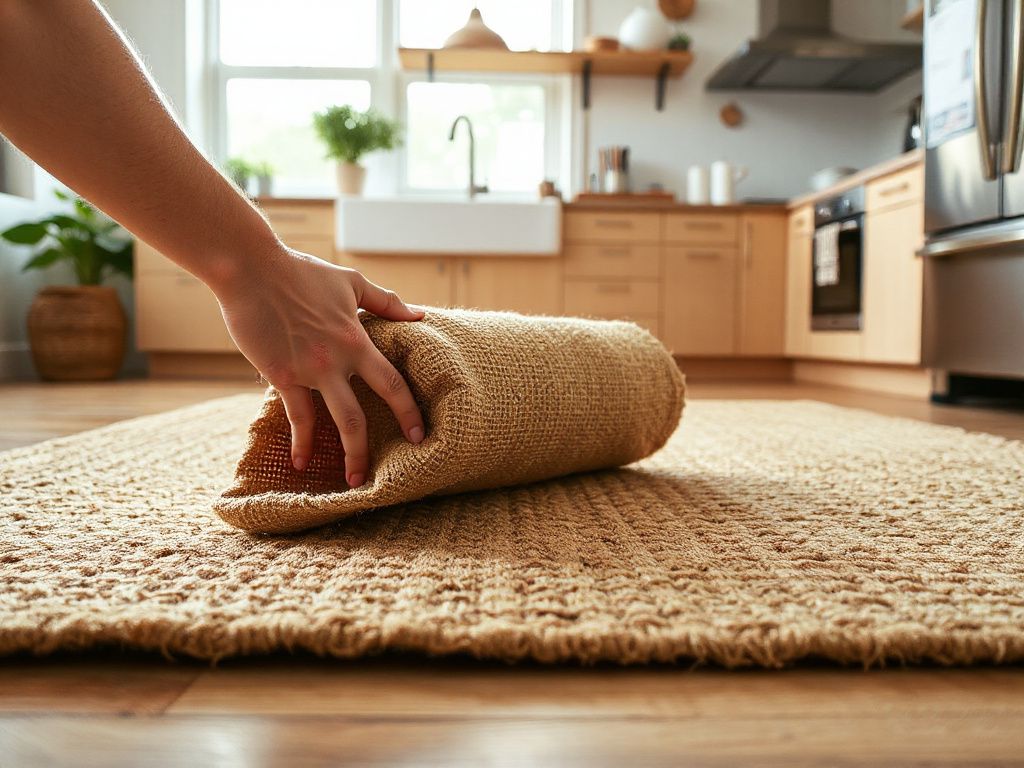
Jute rug durability declines from four main forces: moisture, abrasion, sunlight, and shedding-related fiber loss. Each acts differently, and each requires a specific preventive response.
Moisture Damage
Moisture is the leading killer of jute rugs. When jute stays damp for more than 48 hours, mold and mildew begin to colonize the fibers. The cellulose in jute serves as a food source for fungi, and once rot sets in, the rug cannot be saved. Even high indoor humidity above 60% can slowly degrade the fibers over months. A spilled glass of water left to air dry on jute often leaves a permanent dark ring as the fibers swell and then shrink unevenly.
The fix is immediate blotting with a dry cotton cloth and running a dehumidifier or fan until completely dry. Never steam clean a jute rug; the moisture injection accelerates fiber breakdown.
Abrasion and Traffic
Jute’s softness makes it comfortable underfoot, but that same softness means the fibers crush and fray under repeated foot traffic. High-traffic areas like hallways, entryways, and living room paths will show flattened, discolored wear patterns within six months. The fibers break rather than spring back, creating a permanent matted look. A rug pad with a dense felt or rubber backing reduces friction from below, and that single addition often doubles the usable life of a jute rug.
Sunlight Fading and Brittleness
Prolonged direct sunlight causes jute fibers to fade and become brittle, shortening the rug’s life. UV radiation breaks down lignin, the binding compound in plant fibers, making them snap like dry straw. A jute rug placed in front of a south-facing window will lose color within one season and start cracking along fold lines within two. Use window film or sheer curtains to filter UV, and rotate the rug every three months so fading distributes evenly.
Shedding: Normal vs. Problematic
Shedding is normal for jute rugs, especially in the first weeks, and isn’t a defect. Loose fibers left over from weaving work their way out with vacuuming and foot traffic. But after two to three months, shedding should taper off. If you still see large fiber clumps after six months, the rug’s yarns are breaking down—usually from overly aggressive vacuuming with a beater bar or heavy furniture dragging.
Preserving Jute Rug Durability: Preventive Measures
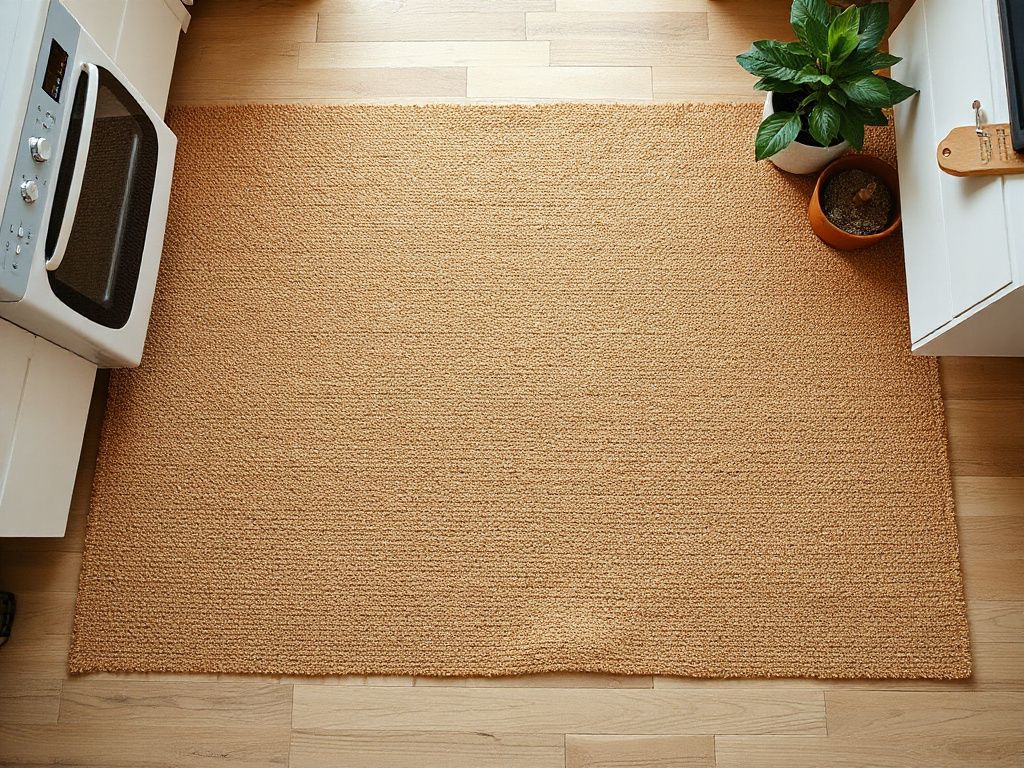
You cannot make a jute rug indestructible, but you can significantly slow its decline. The following measures address the four causes above and are practical for any household.
Choose the Right Room
Reserve jute rugs for low-traffic rooms: bedrooms, home offices, reading nooks, or formal living rooms where people sit more than walk. Avoid hallways, entryways, kitchens, bathrooms, and dining areas. If you need a natural fiber rug for a high-traffic space, consider sisal or seagrass instead—both have coarser, stiffer fibers that resist crushing and abrasion far better than jute.
Use a Rug Pad Without Exception
A jute rug laid directly on hardwood or tile will slide, bunch, and wear through at the folds. The pad also prevents the rug’s backing from scratching the floor beneath. Choose a pad that is slightly smaller than the rug so no edges peek out, and replace it every two to three years as the rubber degrades. Our guide to caring for an 8×10 jute rug includes specific pad thickness recommendations for large rugs.
Rotate Every Three Months
Rotating the rug 180 degrees every three months prevents one side from bearing all the traffic and sunlight. This single habit extends jute rug durability by distributing wear evenly across the entire surface. If the rug is rectangular, also flip it front to back occasionally—most jute rugs are reversible, and flipping doubles the time before any one side shows significant wear.
Control Humidity
Keep indoor relative humidity between 40% and 55%. In basements or coastal climates, run a dehumidifier during humid months. If the rug ever feels damp to the touch, hang it outdoors on a dry, breezy day—but never in direct sunlight, which causes the brittleness described earlier. The ASTM International standard D3511 covers textile pilling and abrasion resistance, and while jute’s inherent abrasion resistance is low, maintaining proper humidity keeps the fibers supple and less prone to breakage.
How Jute Compares to Sisal, Seagrass, and Wool
Jute is the softest and least durable of the common natural rug fibers. Here is how the four compare in key durability metrics, based on industry-wide material characteristics rather than any single product.
- Abrasion resistance: Sisal is the toughest, followed by seagrass, then wool, then jute. Sisal fibers are thick and stiff; jute fibers are thin and soft.
- Moisture tolerance: Seagrass is naturally water-repellent and can handle occasional dampness. Wool repels liquid initially but eventually absorbs it. Jute and sisal both absorb moisture readily and are vulnerable to mold.
- Softness underfoot: Jute wins by a wide margin. Wool is next, then seagrass, then sisal. This is why jute is preferred for bedrooms but unsuitable for high-traffic areas.
- Typical lifespan in a low-traffic room: Sisal can last 10+ years, seagrass 8–10 years, wool 7–15 years depending on quality, and jute 3–5 years. In a high-traffic hallway, jute may survive only 12–18 months.
If you want the look of a natural fiber rug but need more resilience, a wool-jute blend offers a compromise. The wool adds spring and abrasion resistance while the jute keeps the price down. However, the blend still cannot be steam cleaned or used in damp areas. For a round natural fiber option, our guide to choosing a circle jute rug explains how shape affects traffic patterns and wear distribution.
Cleaning a Jute Rug Without Damaging It
How you clean a jute rug directly affects its durability. Wrong methods do more harm than the dirt itself.
Weekly Maintenance
Vacuum with suction only, no beater bar, once or twice a week in low-traffic rooms. For stubborn crumbs or pet hair, use a handheld vacuum with a soft brush attachment and go slowly in one direction. Never vacuum the fringe; use your fingers to gently separate the fringe and pick out debris.
Spot Cleaning Stains
Jute stains easily because the fibers are highly absorbent. Act within 30 seconds of any spill. Blot—never rub—with a clean, dry white cloth. For water-based stains, dip a corner of the cloth in lukewarm water, wring it nearly dry, and continue blotting. For oil-based stains, sprinkle cornstarch or baking soda over the spot, let it sit 30 minutes to absorb the oil, then vacuum it up. Never use carpet shampoo, steam, or soaking water on jute. The glue and fibers will break down.
Deep Cleaning
Professional dry cleaning is the only safe deep-cleaning method for jute. Some dry cleaners offer a “dry compound” process that shakes out embedded dirt without moisture. Expect to pay $2–$4 per square foot. Avoid any cleaner that uses hot water extraction, regardless of what their website claims about natural fibers.
Frequently Asked Questions
Is jute a durable material for rugs?
Jute has moderate tensile strength but poor abrasion and moisture resistance. In a low-traffic bedroom, a jute rug can look good for several years. In a hallway or under furniture, it will show matting and fraying within months. Jute’s durability is adequate for its intended low-traffic, dry use cases.
How long does a jute rug last?
A well-maintained jute rug in a bedroom or home office typically lasts three to five years before visible wear becomes unacceptable. In a dining room or entryway, expect one to two years. With a rug pad, regular rotation, and careful cleaning, some jute rugs survive seven years, but that is the exception, not the rule.
What makes jute rugs less durable than synthetic rugs?
Synthetic fibers like polypropylene and nylon are engineered for abrasion resistance, stain resistance, and moisture tolerance. Jute is a plant fiber that absorbs moisture, breaks under friction, and fades in sunlight. Synthetics can be steam cleaned and hosed down; jute cannot. The tradeoff is that jute is biodegradable and has a softer, more natural aesthetic.
Why does my jute rug shed so much?
Shedding is normal for the first few weeks as loose fibers from weaving work their way out. If shedding continues heavily after three months, the rug is likely being vacuumed with a beater bar or dragged by furniture. Switch to suction-only vacuuming and place felt pads under furniture legs. Persistent excessive shedding indicates fiber degradation and shortens the rug’s lifespan.
Does jute rug fade in sunlight?
Yes. Ultraviolet light breaks down lignin in jute fibers, causing both color fading and brittleness. A jute rug in direct sun will fade within one season and develop cracks along fold lines within two. Use window film, sheer curtains, or rotate the rug regularly to minimize sun damage.