

I once spent an entire Saturday rearranging a living room that felt more like a storage unit than a home. The culprit wasn’t the sofa or the coffee table — it was the rug. A rectangular sisal mat that fought every curve in the room. When I finally swapped it for a circle jute rug, the space breathed. That’s the thing about round rugs made from natural fibers: they don’t just cover floor space. They soften the hard edges of a room, both literally and visually. After years of helping friends declutter and style their homes, I’ve learned that a well-chosen round jute rug can reduce daily friction more than any storage bin. Let me show you how to pick one that actually works for your life.
Key Takeaways
- Circle jute rugs work best in high-traffic areas because their braided construction hides wear better than flatweave rectangles.
- Size matters more than you think — a 6-foot diameter rug fits most dining tables, while 4-foot rugs anchor entryways without tripping hazards.
- Natural jute sheds fibers for the first few weeks, so vacuum without a beater bar and expect some loose strands until the weave settles.
Why Choose a Circle Jute Rug Over Other Shapes
Round rugs do something rectangles can’t: they guide the eye in a gentle arc. In a room full of straight lines — sofas, bookshelves, coffee tables — a circle jute rug breaks the monotony without breaking the budget. I’ve placed them under round dining tables, in reading nooks, and even in the center of a home office to define the work zone without boxing it in.
Jute itself is a workhorse fiber. It’s the second most produced natural fiber after cotton, and it grows fast — harvest cycles run about 4 to 6 months. That makes it more sustainable than synthetic options. But it’s not indestructible. A circle jute rug handles foot traffic well because the braided construction distributes pressure evenly. Still, you’ll want to keep it away from direct sunlight, which can dry out the fibers and cause brittleness over time.
If you’re weighing outdoor options, check out our guide on what is the best outdoor rug material for a deeper comparison between jute, sisal, and synthetic blends.
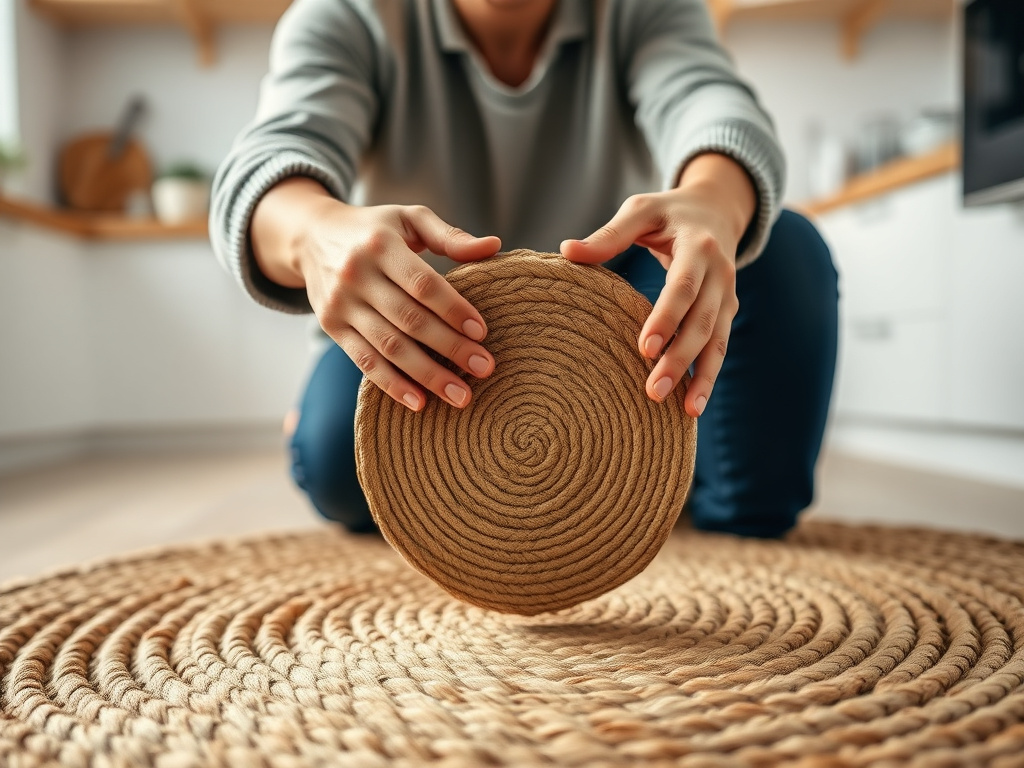
Sizing a Circle Jute Rug for Your Space
Measure the Room, Not Just the Furniture
I always tell people to start with the room’s dimensions, not the rug catalog. A circle jute rug that’s too small makes the space feel chopped up. Too large, and it swallows the furniture. For a standard living room (say 12 by 16 feet), a 6-foot to 8-foot diameter rug works well under a coffee table. For a dining area, add 24 inches beyond the table edge so chairs stay on the rug when pulled out.
Entryway and Hallway Sizing
In narrow spaces, a circle jute rug can be a smart choice because it doesn’t create sharp corners that catch feet. A 3-foot or 4-foot diameter rug fits most entryways without overlapping the door swing. Leave at least 6 inches of bare floor on all sides to avoid a cramped look. I’ve placed a 4-foot round rug in a 5-foot-wide hallway, and it worked fine — just make sure the rug doesn’t block the path more than 50% of the width.
Under a Round Dining Table
This is where a circle jute rug truly shines. Match the rug diameter to the table diameter plus 48 inches. For a 48-inch round table, you want a 96-inch (8-foot) diameter rug. That gives each chair 24 inches of rug space when pushed back. If your table has a pedestal base, center the rug under the table and let the chairs sit fully on the rug.
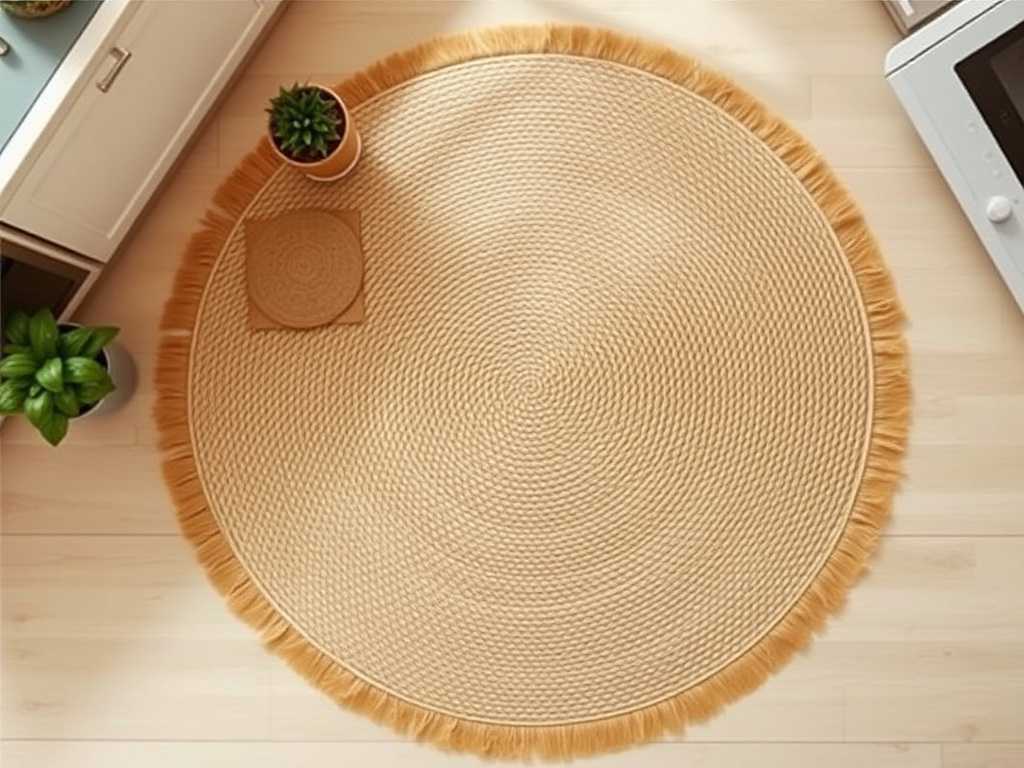
Jute vs. Other Natural Fibers: What You Need to Know
Jute vs. Sisal
Sisal is tougher. It comes from the agave plant and has a coarser, stiffer feel. Jute, from the Corchorus plant, is softer and more pliable. For a circle jute rug, that softness means it drapes better on the floor and feels nicer under bare feet. But sisal handles moisture better. If your rug sits in a humid basement or a covered porch, sisal might last longer. For dry indoor spaces, jute is the more comfortable choice.
Jute vs. Seagrass
Seagrass is naturally stain-resistant because its fibers have a waxy coating. Jute absorbs spills quickly. That makes circle jute rugs a poor choice for dining rooms with young kids or pets prone to accidents. Seagrass also has a tighter weave, which means less shedding. But seagrass feels slicker and doesn’t have the same warm, textured look that jute offers.
Jute vs. Wool
Wool is the premium choice for durability and stain resistance. It’s also three to five times more expensive than jute. A circle jute rug gives you that natural, earthy aesthetic at a fraction of the cost. The trade-off is longevity — a well-made wool rug can last 20 years, while a jute rug might need replacing after 5 to 7 years in a busy home. If you’re on a budget or plan to change your decor frequently, jute makes more sense.
How to Care for a Circle Jute Rug
Vacuuming Without Damage
Jute fibers are hollow, which makes them lightweight but also prone to breaking under aggressive vacuuming. Use a vacuum with a suction-only setting — no beater bar. The beater bar’s rotating brush can snag and pull fibers, creating bald spots. Vacuum once a week, and go over the rug in both directions to lift embedded dirt. For the first month, expect loose fibers to appear. That’s normal shedding as the weave settles.
Spot Cleaning Spills
Blot, don’t rub. Rubbing pushes the liquid deeper into the fibers and spreads the stain. Use a clean, dry cloth and press firmly to absorb as much as possible. For dried stains, lightly scrape with a blunt knife or the edge of a credit card. Avoid water — jute absorbs it and can develop mildew. If you must use a cleaner, test a small, hidden area first. I’ve seen more jute rugs ruined by overzealous scrubbing than by spills themselves.
Dealing with Odors and Mildew
Jute has a natural earthy smell when new. That fades within a week or two. If your circle jute rug develops a musty odor, it’s likely holding moisture. Move it to a dry, well-ventilated area for 24 hours. Baking soda can help — sprinkle a thin layer, let it sit for 2 hours, then vacuum thoroughly. Never steam clean a jute rug. The heat and moisture will shrink and distort the fibers.
For outdoor use, synthetic blends often outperform natural jute. Our best outdoor rug safety tips and picks guide covers which materials handle rain and sun without turning into a science experiment.
Where to Place a Circle Jute Rug for Maximum Impact
Living Room Anchors
In a living room, a circle jute rug works best when it defines a conversation area. Place it under the coffee table, with the front legs of your sofa and chairs resting on the rug. That creates a cohesive zone without covering the entire floor. If your sofa is against a wall, position the rug so it extends 12 to 18 inches beyond the coffee table on each side.
Bedroom Warmth
A circle jute rug at the foot of the bed adds texture and warmth without competing with the bed’s shape. For a queen-size bed, a 5-foot diameter rug fits nicely. For a king, go with 6 feet. Place it so the front two-thirds of the rug sit under the bed, leaving the rest exposed for stepping onto in the morning. That placement also protects the rug from direct sunlight if the bed is near a window.
Entryway and Mudroom
Circle jute rugs excel here because they don’t have corners that curl up or catch on shoes. Choose a 3-foot to 4-foot diameter rug for a standard entry. Make sure the rug is at least 12 inches away from the door swing so it doesn’t get caught when the door opens. In a mudroom, pair the jute rug with a boot tray to catch wet shoes before they reach the fibers.
Common Mistakes to Avoid with Circle Jute Rugs
Using the Wrong Rug Pad
Jute rugs are heavy, but they still slip on hardwood or tile floors. A thin, grippy rug pad is essential. Avoid thick, plush pads — they create a lumpy surface and can cause the rug to buckle. Look for a felt-and-rubber combo pad that’s 1/8-inch thick. Cut it to match the rug’s shape exactly, or buy a pre-cut round pad that’s 2 inches smaller in diameter so it doesn’t show.
Ignoring Furniture Weight Distribution
Heavy furniture legs can crush jute fibers over time. If you’re placing a sofa or table on a circle jute rug, use furniture coasters or felt pads under the legs. This distributes the weight and prevents permanent indentations. Rotate the rug every 6 months to even out wear patterns, especially if one side gets more sunlight or foot traffic.
Expecting Stain Resistance
Jute is not stain-resistant. It’s one of the most absorbent natural fibers. Red wine, coffee, and pet accidents will leave marks unless treated immediately. If your household has frequent spills, consider using a circle jute rug in a low-traffic area or treating it with a fabric protector designed for natural fibers. Test any protector on a small area first to ensure it doesn’t darken the color.
Circle Jute Rugs in Different Room Styles
Bohemian and Eclectic Spaces
Jute’s natural, unbleached color pairs perfectly with vibrant textiles and layered patterns. In a boho living room, a circle jute rug acts as a neutral base for colorful pillows, macrame wall hangings, and woven baskets. The rug’s texture adds depth without competing with bold prints. I’ve used a 6-foot round jute rug under a low wooden coffee table, surrounded by floor cushions, to create a casual seating area that feels grounded.
Minimalist and Scandinavian Interiors
In a minimalist room, a circle jute rug introduces warmth and organic texture without clutter. The simple round shape complements clean lines and neutral palettes. Choose a rug with a tight, uniform weave for a more polished look. Avoid heavily braided or fringed styles if you’re going for a sleek aesthetic. A 5-foot diameter rug placed under a dining table or in the center of a reading nook adds just enough visual interest.
Farmhouse and Rustic Decor
Jute is practically synonymous with farmhouse style. A circle jute rug in a kitchen or dining area softens the hard edges of farmhouse tables and butcher block counters. Pair it with wooden furniture and neutral linens for a cohesive look. In a rustic setting, a slightly irregular weave or visible knots add character — they’re not flaws, they’re part of the handmade appeal.
Frequently Asked Questions
How long does a circle jute rug typically last?
With proper care, a circle jute rug lasts 5 to 7 years in a moderate-traffic home. In high-traffic areas like hallways or entryways, expect 3 to 5 years. Rotating the rug every 3 to 6 months and using a rug pad can extend its life. Direct sunlight and moisture are the main enemies — keep the rug dry and out of intense sun to prevent fiber breakdown.
Can a circle jute rug be used outdoors?
Jute is not ideal for full outdoor exposure. It absorbs moisture, which leads to mildew and fiber rot. If you want a natural look on a covered porch or patio, consider a synthetic jute-look rug that mimics the texture without the water damage. For uncovered decks, our guide on what is the best outdoor rug for a wood deck offers better options.
How do I stop my circle jute rug from shedding?
Shedding is normal for the first 2 to 4 weeks. Vacuum gently without a beater bar once a week to remove loose fibers. Avoid walking on the rug in bare feet during this period, as the friction can pull more fibers loose. After the initial shedding phase, the weave settles and loose fibers become minimal. If shedding continues beyond 2 months, the rug may have a loose weave or lower quality construction.
Can I put a circle jute rug under a heavy sofa?
Yes, but use furniture coasters or felt pads under the sofa legs to prevent crushing the fibers. Jute is softer than sisal or wool, so heavy furniture can leave permanent indentations. Place the rug so the sofa legs rest on the rug’s edge, not in the center, to minimize pressure. Rotate the rug every 6 months to distribute wear evenly.
