

You wrestle an 8×10 jute rug into position, roll it out with satisfaction, and then notice it—the corners flaring upward like baked leaves, a fine dusting of fibers coating the floor before the day is done. I’ve handled and lived with dozens of rugs in this exact size, and the single most overlooked aspect is the backing material. A cotton canvas backing with a latex border really does keep the rug flat and prevents the corners from curling, which is a common complaint. Beginners confuse jute with sisal based on looks, but jute is softer and sheds far more initially, while sisal is stiffer and better for heavy traffic—so I always ask about the room’s use before recommending one over the other. An 8×10 jute rug is a major commitment—it’s heavy, absorbent, and demands a thoughtful approach right from the unrolling.
Key Takeaways
- A quality felt-and-rubber rug pad is non-negotiable under every 8×10 jute rug to stop sliding, protect floors, and add cushion.
- Shedding is normal for the first few months; use a suction-only vacuum or brushless attachment to avoid pulling fibers.
- Spills must be blotted immediately—jute is extremely absorbent and will darken or distort if liquid sits.
- Always recruit a second person to move an 8×10 jute roll; carrying it alone creases the fibers permanently.
Understanding the 8×10 Jute Rug: Weight, Weave, and Reality
The 8×10 jute rug is not a casual throw-it-down-and-forget-it piece. This size typically weighs between 35 and 50 pounds, sometimes more when dense braided construction is involved. Moving one alone is a fast track to strained backs and deep center creases that never relax. The fibers themselves are short-staple bast threads taken from the jute plant’s stem, a material that feels pleasantly soft under bare feet but drinks up moisture like a sponge. The International Jute Study Group notes that jute is highly hygroscopic, meaning it also swells and loses strength when wet—a fact that governs every maintenance decision you’ll make.
What separates a flat, well-behaved 8×10 jute rug from one that becomes a tripping hazard is almost always the backing. A simple woven back without reinforcement will curl relentlessly in a dry home, especially along the edges where foot traffic catches. When I unroll a new rug, I immediately check for a cotton canvas layer with a thin latex border. That construction gives the rug enough structure to lie still, even after months of vacuuming. Before you commit to any layout, it helps to understand exactly how an 8×10 rug fills a space—my guide on how an 8×10 rug fits a room breaks down realistic furniture clearances and walkway widths so you avoid size regret.
One unforgiving rule: never fold a jute rug for storage. Rolling is the only safe method. Folding breaks the jute strands and leaves a permanent line, no matter how many times you steam or press it. And because the 8×10 size is too bulky for one person to roll tightly, you need two people from the start. Lay the rug face-down on a clean floor, roll from one short end toward the other, and keep the tension even—otherwise the roll develops a curve that makes it impossible to lay flat again.
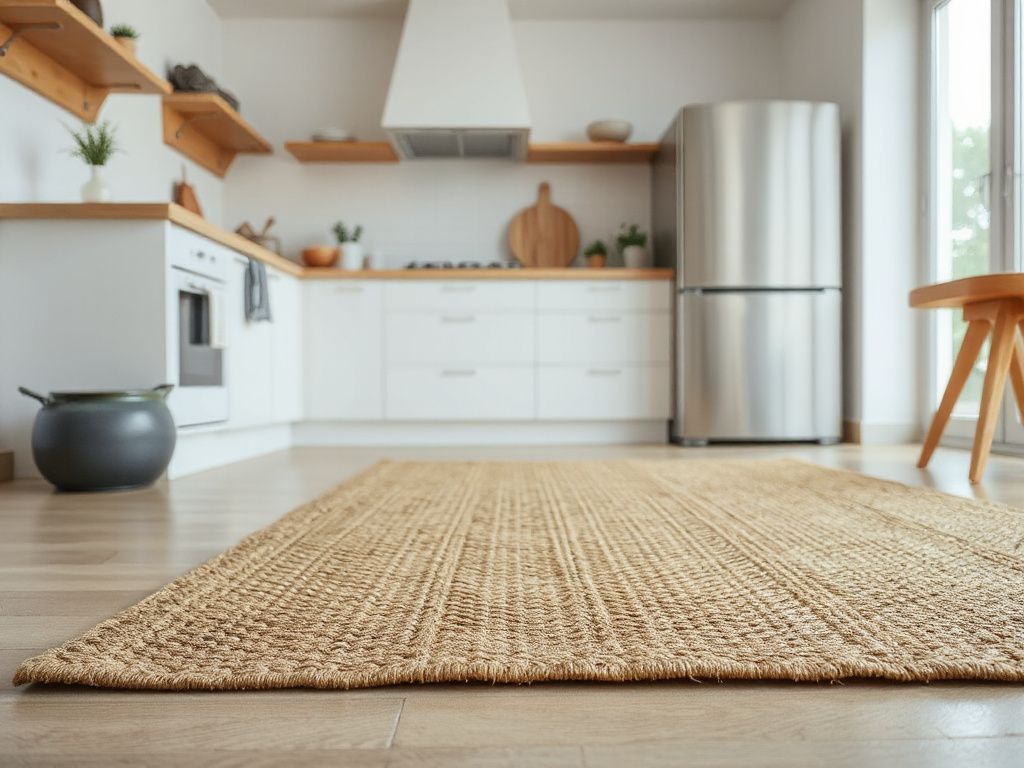
Managing Shedding: Vacuum Settings, Timing, and What to Expect
Shedding is the number one complaint I hear about 8×10 jute rugs, and it catches first-time owners completely off guard. Fibers will release for weeks, sometimes months, as the loose strands from weaving and handling work themselves free. This is not a defect—it’s simply the nature of a short-staple natural fiber that doesn’t have the long continuous strands of wool. However, the way you vacuum determines whether shedding calms down or spirals into a losing battle.
A beater bar—that spinning bristle brush on most upright vacuums—is the enemy of jute. The rapid rotation snags the loops, yanks out additional fibers, and wears thin spots into the weave. You must turn off the beater bar completely or switch to a canister vacuum with a soft floor brush. If your vacuum won’t let you disable the brush roll, a handheld attachment with a suction-only nozzle is the safest fallback. I set the vacuum height to the highest possible level and make slow, overlapping passes. You’ll still collect a shocking amount of debris in the canister, but you won’t be actively tearing the rug apart.
Expect heavy shedding during the first six to eight weeks, with a gradual taper after that. The initial period can fill a vacuum canister after every other pass, but it will subside. Running a robot vacuum daily on a low suction setting can help capture loose fibers before they migrate across your hardwood, though I always supervise the first few cleanings to make sure the robot isn’t catching an edge and unraveling a braid. Some jute rugs carry the Oeko‑Tex Standard 100 certification, which ensures the fiber is tested for harmful substances—this doesn’t reduce shedding, but it does mean the dust cloud in your home isn’t carrying chemical residues.
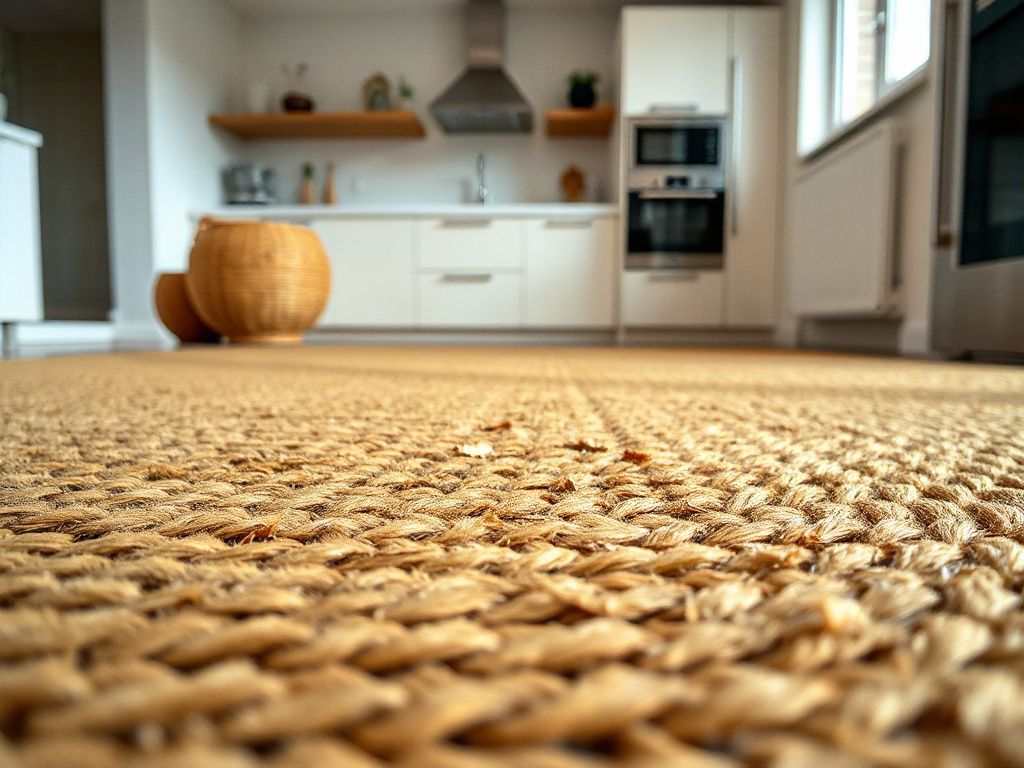
The Rug Pad That Prevents Disaster
Skip a pad under an 8×10 jute rug on hardwood and two things happen fast: the rug slides with every step, and the coarse backing gradually scours the floor finish. The right pad transforms a jute rug from a slipping hazard into a stable, comfortable surface that protects your investment. A dense felt rug pad combined with a thin layer of natural rubber provides the best balance—cushion, grip, and breathability.
Felt alone isn’t enough, because it lacks the friction to stop the rug from drifting. Rubber-only pads, especially the waffle-style PVC types, can react with floor finishes and leave behind a sticky residue that’s a nightmare to remove. I look for a pad with a natural rubber backing, often labeled as natural latex. It holds the rug in place without off-gassing the chemical odor you get from synthetic foam pads. The Carpet and Rug Institute confirms that a properly chosen pad extends the life of any area rug, and for an 8×10 jute rug, this is the difference between a rug that looks worn after a year and one that stays fresh for five.
When cutting a pad for an 8×10 rug, trim it about an inch smaller than the rug’s edges on all sides. This keeps the pad hidden and prevents the visible border from catching on feet. On particularly slick tile, I sometimes add a few small rectangles of museum putty at the corners as belt-and-suspenders insurance—especially in homes with dogs that launch off the rug at full speed.
Cleaning Spills, Stains, and That Musty Smell
Spills on jute feel urgent because they are. Jute’s absorbency means red wine, coffee, or pet accidents penetrate deep within seconds. The immediate response: blot, don’t rub. Rubbing grinds the liquid further into the fibers and distorts the twist. Use a clean white cloth or paper towel, press firmly to lift the liquid, and keep swapping to a dry section until no more color transfers. After blotting, a 50/50 mix of white vinegar and cool water applied with a spray bottle can neutralize odor and lift a fresh stain—but test it first on a hidden edge to make sure it doesn’t lighten the natural jute tone.
Steam cleaners and carpet shampoo machines are off-limits. Saturating a jute rug causes the fibers to swell and warp, and the backing can delaminate. Once that happens, the rug rarely recovers its original shape. I learned this the hard way with a rug in my hallway after a muddy paw print incident—the wet areas dried stiff and shrunken, leaving a visible dip.
Musty smells typically come from hidden dampness—either the rug was rolled up slightly moist or it’s been sitting on a basement slab without a moisture barrier. To fix it, I drag the 8×10 jute rug outside on a dry, sunny day and let it bake for four to six hours, flipping halfway. Sunlight is a potent deodorizer and mild bleach. For persistent mustiness, spread a thin layer of baking soda over the entire rug, let it sit for at least 8 hours, then vacuum thoroughly with the suction-only setup. The baking soda absorbs moisture and odor inside the fibers without adding any liquid. If the rug still smells after two treatments, check the pad beneath—a damp pad is often the real culprit.
Where an 8×10 Jute Rug Actually Works (and Fails)
An 8×10 jute rug anchors a living room beautifully, especially under a coffee table where bare feet get the most use. The softness of jute underfoot is noticeably gentler than sisal or seagrass, which makes it more inviting for lounging. However, jute’s Achilles’ heel is moisture and friction. I’ve seen too many people install one under a dining table, only to discover that the first spilled glass of water left a dark watermark that never faded, and dropped food ground into the weave becomes permanently trapped.
For high-traffic hallways, jute competes directly with sisal. My experience is straightforward: sisal rugs handle heavy foot traffic better because the fibers are stiffer and resist matting down, while jute cushions more but wears faster. If your hallway gets two adults and a dog multiple times an hour, a sisal or even a flatweave wool braided rug will outlast jute. Jute’s initial shedding also makes a mess in hallways, where dirt and debris are already concentrated. I reserve jute for rooms where you sit, not where you pace.
Pets complicate the equation further. Cat claws snag jute loops mercilessly, turning a flat surface into a frayed mess. Dogs don’t usually claw, but the absorbent nature of jute means urine penetrates instantly and is nearly impossible to remove completely from the pad underneath. If you absolutely insist on an 8×10 jute rug in a pet household, invest in a thick felt-and-rubber pad that closes the gap between rug and floor, and be prepared to clean accidents within 30 seconds.
Bathrooms and basements are simply off-limits. The humidity and potential for standing water will cause jute to rot, warp, and develop mildew within weeks. And despite the 8×10 size seeming versatile, jute rugs are not for stairs—they lack the flexibility to bend tightly around stair noses and will fray at the edges almost immediately. If you’re looking at a rectangular jute rug for a specific room, our article on rectangular jute rug dimensions and placement helps you see how different weaves and borders work with existing furniture layouts.
Frequently Asked Questions
How do I stop my 8×10 jute rug from shedding so much at first?
Shedding is unavoidable but manageable. Use a suction-only vacuum or hand attachment daily during the first two months to collect loose fibers without pulling new ones. Never engage a beater bar. As the rug settles, the shedding rate drops sharply; most 8×10 jute rugs stop releasing noticeable fiber after six to eight weeks of regular, gentle vacuuming.
Can I use a steam cleaner or shampoo on a jute rug?
No. Steam cleaning or wet shampooing saturates the jute fibers, causing irreversible swelling, distortion, and a musty odor from trapped moisture. Spot-clean only with a damp cloth and mild vinegar solution, and follow immediately with thorough drying—a fan pointed at the damp area for several hours is the safest method.
What pad should I put under an 8×10 jute rug on hardwood?
A dense 1/4-inch felt pad with a natural rubber backing is ideal. The felt cushions and prevents the coarse jute backing from scratching the floor, while the rubber layer eliminates sliding. Cut the pad one inch smaller than the rug’s perimeter on all sides, and replace it if it ever develops a musty smell from trapped humidity.
