

The U.S. Consumer Product Safety Commission reports that corded window coverings have caused over 200 child strangulation deaths since 1990, according to CPSC data. That grim statistic is one reason magnetic blinds have moved from a niche rental hack to a mainstream choice among safety-conscious parents and apartment dwellers. In covering window coverings for years, I’ve seen magnetic blinds pitched as a quick rental fix, but the real litmus test is the magnet-to-fabric weight ratio. Most beginners buy a heavy blackout fabric and undersized magnets, then wonder why the blind sags mid-span. A professional installer checks whether the bottom hem has a continuous steel weight bar and whether the magnets are spaced no more than six inches apart — that’s what separates a blind that stays put from one that slides down overnight.
Key Takeaways
- Magnetic blinds hold only on ferromagnetic metal surfaces; aluminum and vinyl window frames need an added steel strip, which undermines the no-drill appeal.
- Neodymium magnets rated to hold at least two to three times the fabric weight are essential, and magnets must be spaced no more than 6 inches apart.
- Swallowed magnets are a life-threatening choking and internal injury hazard; install magnetic blinds with magnets out of reach or add a secondary hold-down device.
- Drooping mid-span almost always comes from a fabric weight that exceeds the magnet pull force, not from a defective product.
How Magnetic Blinds Stay Up Without Drilling
Magnetic blinds rely on a row of magnets sewn into the fabric or attached to a rigid track, and those magnets adhere to a ferromagnetic surface on the window frame or door. The entire holding force depends on two things: the pull strength of each magnet and the number of magnets relative to the fabric weight. If you have a 4-pound blackout blind and six magnets that each pull 1 pound, the blind will hold — barely. Add vibration from a door slamming or humidity changing fabric stiffness, and the blind slides.
Magnet Strength and Fabric Weight Ratio
Most magnetic blinds use neodymium magnets, which offer a much higher pull force per square inch than ferrite magnets. A typical neodymium disc magnet with a 12 mm diameter can hold 3 to 6 pounds vertically on clean steel. But the spec sheet rarely gives you that number. What you can check is the magnet count and spacing on the top edge. On paper, a blind with magnets every 4 inches has double the holding capacity of one with magnets every 8 inches. That is the difference between a blind that stays put and one that peels off at one corner overnight. The bottom hem should contain a continuous steel weight bar, not just folded fabric; that bar keeps the lower edge taut so it does not flutter or sag mid-span.
What Surfaces Actually Work
Magnetic blinds only stick to ferromagnetic metals — steel, iron, and some nickel alloys. Aluminum window frames, vinyl, wood, and fiberglass will not hold a magnet, no matter how strong it is. Many modern windows use aluminum frames, especially in apartments and commercial buildings. For those, you either install a separate steel strip along the top of the frame or switch to an adhesive-mounted track. A 3M VHB adhesive strip can hold a steel plate to aluminum, but that introduces adhesive residue and defeats the “no-drill, no-damage” promise if you remove it poorly.
The Role of Adhesive vs. Mechanical Hold
Some magnetic blinds come with an anodized aluminum track that mounts with adhesive strips, and the blind’s magnets then snap to the track. That works on any flat surface, not just steel. But the track must be perfectly level and the adhesive must cure for at least 24 hours before you hang the blind. If you peel the adhesive off a painted wood window frame, it can take the paint with it. For renters, the landlord will notice that damage more than a few screw holes. A better no-damage option is a tension-mounted steel strip that wedges inside the window opening, but that only works on windows with a deep enough recess.
If you want a complete breakdown of blackout fabrics and magnet arrangements, our guide to magnetic blackout blinds for windows covers the weight side of the equation in detail.
Safety First: Magnetic Blinds and Your Family
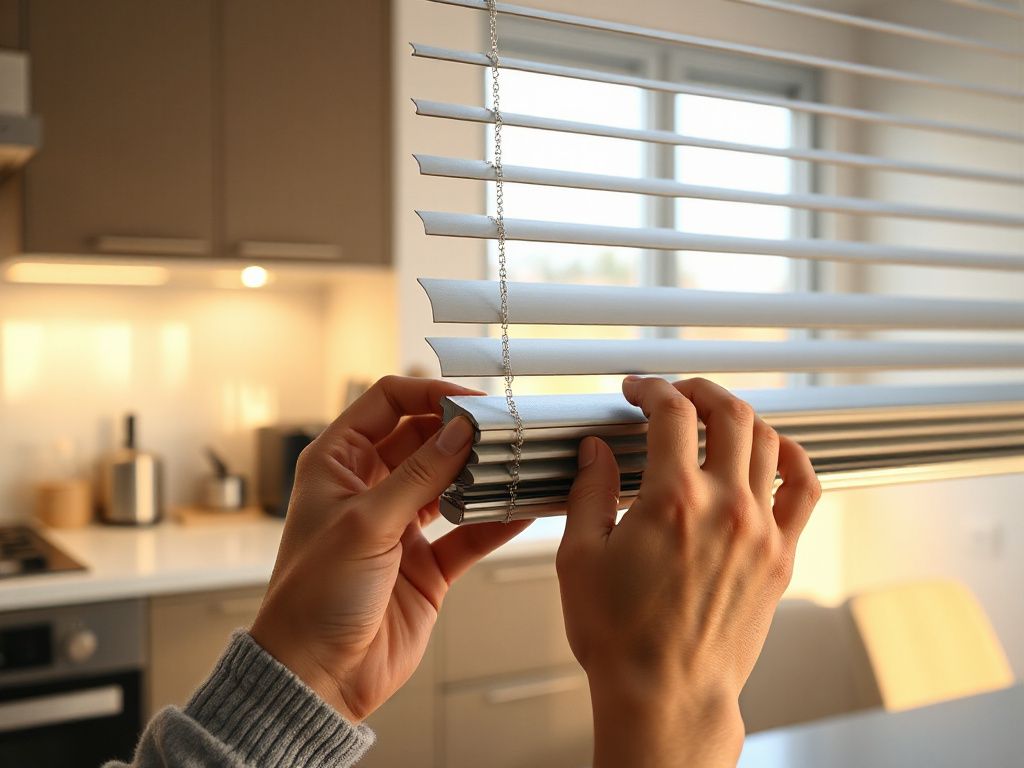
The cord-free design of magnetic blinds eliminates the strangulation risk that comes with pull cords and continuous loop cords. That is a real advantage. But the magnets themselves create a different hazard: if a toddler or pet swallows two magnets, they can attract each other through intestinal walls and cause perforation or blockage — a surgical emergency. The CPSC has long warned that small high-powered magnets are a known ingestion hazard.
Choking and Ingestion Risks
Most magnet pockets on blinds are sewn shut, so the magnet stays inside the fabric. But cheap manufacturing can leave a seam that unravels after a few months, exposing a nickel-sized neodymium disc. A child can pry that out and swallow it. You need to inspect the magnet pockets weekly for loose threads or wear. If a magnet is accessible without cutting fabric, the blind does not meet the spirit of ASTM F3348, the standard for cordless window coverings that also addresses accessible small parts. The ASTM International standard requires that any small part be secured so a child cannot remove it with reasonable force.
Cordless Certification and What to Check
Look for a label that says the blind meets CPSC’s cordless requirements. Magnetic blinds inherently have no cord, but some models include a wand or bottom rail that could detach. A continuous bottom weight bar is safer than individual weights because it cannot be broken off in pieces. The magnet-to-fabric ratio again matters: if the blind falls repeatedly, a child might grab it and pull it down on themselves. A blind that stays up is a safer blind, full stop.
Step-by-Step Installation Without Damaging Your Rental
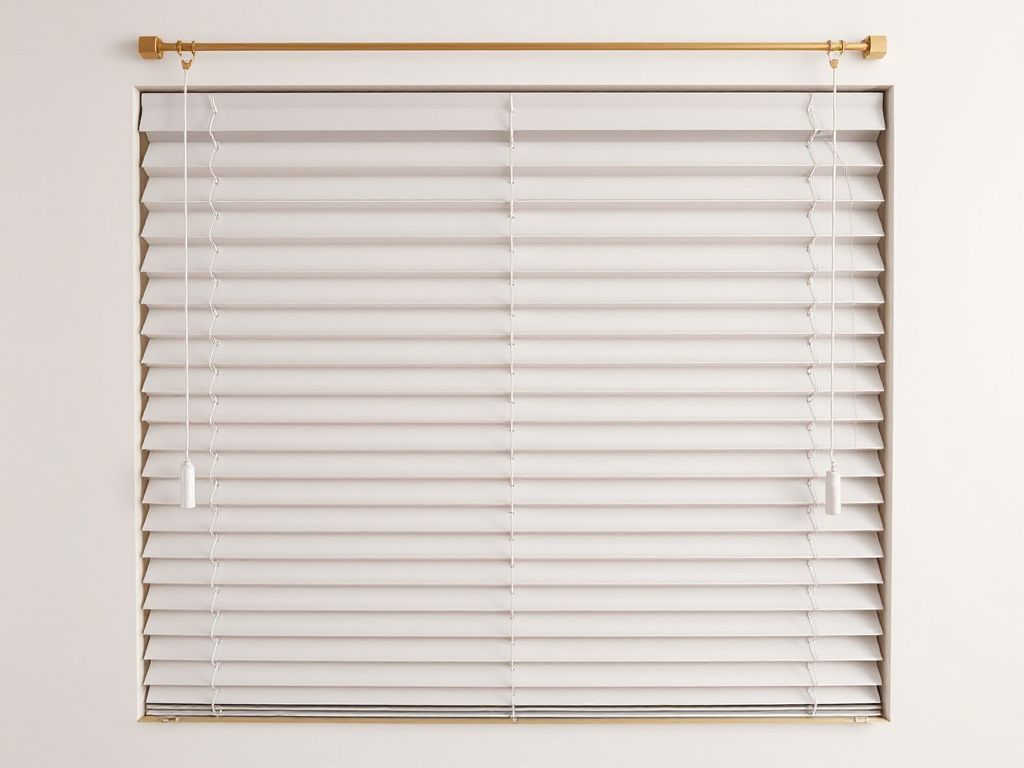
Installing magnetic blinds takes less than 20 minutes if the surface is compatible. The steps below assume you have a ferromagnetic steel window frame or a door with a steel mullion. If you have aluminum or vinyl, you will need to add a steel strip first. Measure twice. The window frame width must be measured at the top, middle, and bottom; use the narrowest dimension for the blind width.
Measuring and Preparing the Surface
Wipe the mounting area with isopropyl alcohol and let it dry fully. Any dust or grease reduces the magnet’s pull strength by up to half. If the steel surface has rust, sand it lightly with fine sandpaper and wipe again. A rusty surface is not flat, so the magnet contacts only the high points and loses grip.
Attaching the Track or Magnets
If your blind uses a magnetic track, peel the adhesive backing and press the track firmly for 30 seconds along the entire length. Let the adhesive cure for 24 hours before hanging the fabric. If your blind has magnets sewn into a top hem, simply align the magnet row with the steel surface and press each magnet individually for 3 seconds. Never slide the blind into place; sliding can shear the magnet pockets off the fabric.
Trimming Fabric and Reattaching Magnets
Most magnetic blinds cannot be cut without ruining the magnet spacing. If you cut 6 inches off the side, you remove two or three magnet pockets, and the corners will curl and break the magnetic seal. The only way to cut a magnetic blind to a custom width is to first remove the magnets from the cut section, resew the hem by hand, and then reattach magnets with fabric glue — a job that takes an hour and rarely looks clean. A better path is to order the exact width or use a magnetic Roman shade that comes in narrower standard widths.
Reinforcing Weak or Rusty Metal Tracks
If the existing steel track is weak or rusty, you can mount a 3M VHB adhesive strip directly over it and then attach a new anodized aluminum or steel strip on top. That doubles the holding surface without drilling. For glass-only windows, such as a storefront or French door, you can use clear adhesive-backed magnet strips applied to the glass itself, but those will be visible from outside and may void any glass warranty if removed with a razor blade.
For renters who want a cordless option but cannot use magnets, our guide to cordless vinyl mini blinds covers a different mounting approach that avoids both cords and magnets.
Troubleshooting Drooping, Light Gaps, and Edge Curl
Almost every complaint about magnetic blinds comes down to three issues: the blind sags in the middle, light leaks around the sides, or the corners curl up. Each has a mechanical cause and a fix that does not require buying a new blind.
Why Blinds Droop Mid-Span
A blind droops in the middle when the fabric weighs more than the magnet pull force can hold, or when the bottom weight bar is not continuous. If the bottom bar is just three short steel rods sewn into pockets, the fabric between those rods sags. The fix is to add more magnets along the top edge, spaced no more than 6 inches apart, and to replace the segmented weight bar with a continuous steel rod that runs the full width. A continuous bar keeps the entire hem under tension.
Fixing Light Leaks at the Edges
Magnetic blinds do not compress against the glass like a roller shade in a channel. Light leaks around the edges because the fabric does not sit flush with the window frame. To block light, use a blind with a PVC-coated polyester fabric that has a stiff hem, and add magnets along the side edges if the blind is wider than 30 inches. A blackout lining or thermal interlining also adds stiffness, but remember that every added layer increases fabric weight — so you must add magnets proportionally.
Cleaning Without Bending Magnets or Catching Fabric
Never put a magnetic blind in the washing machine. The magnets will stick to the drum and tear the fabric. Hand wash in a bathtub with mild detergent, and hang the blind flat to dry with the magnet row facing up so water does not pool in the magnet pockets. To dust, use a vacuum with a soft brush attachment and set it on low suction; high suction can pull a magnet out of a loose pocket.
Deep Sills and Tilted Skylights
Magnetic blinds do not work on a tilted skylight because gravity pulls the fabric away from the magnet strip over time, no matter how strong the magnets are. For a window with a deep sill, the blind can hang free below the magnets and still cover the glass, as long as the top edge is attached to a vertical steel surface. If the surface is horizontal only, the blind will slide off sideways.
Magnetic Blinds vs. Cordless Roman Shades: Insulation and Light Control
When you compare magnetic blinds to cordless Roman shades, the difference comes down to edge sealing and insulation. A Roman shade with a proper blackout lining can compress against the window frame when fully lowered, creating a light seal. A magnetic blind only seals where magnets touch metal. On a steel door, magnetic blinds actually block more edge light than a Roman shade because the magnets pull the fabric tight against the door skin. On an aluminum window with a separate steel strip, you still have a gap between the blind and the glass because the strip sits on the frame, not the sash.
For insulation, both styles benefit from a thermal interlining, but the magnetic blind loses more heat at the edges unless you add side magnets. That is not a reason to avoid magnetic blinds; it is a reason to choose a fabric with interlining and to install magnets on all four sides of a steel door. The bottom weight bar also matters: a solid steel bar acts as a thermal bridge, so in a cold climate it will collect condensation. A plastic-coated steel bar reduces that.
Frequently Asked Questions
Can magnetic blinds damage the window frame or leave scratches?
Most neodymium magnets are coated with epoxy or nickel and will not scratch clean steel if you place them straight on and pull them straight off. Sliding them will scratch the surface. On painted steel frames, the paint can chip when you remove the magnet, especially if the paint is old or has been exposed to sun. To protect the finish, place a thin felt pad or adhesive vinyl strip between the magnet and the frame. That reduces pull strength slightly but prevents paint damage.
Why do my magnetic blinds keep drooping after a few months?
Drooping after months usually means the magnet pull force has weakened from heat exposure or the fabric has absorbed moisture and gained weight. Neodymium magnets lose pull strength permanently above 80°C, which can happen on a west-facing steel door in summer. Check the magnet spacing; if they are more than 6 inches apart, add more magnets. If the fabric is damp, dry the blind fully before rehanging. A continuous bottom weight bar also prevents sagging between magnet points.
Are magnetic blinds safe for homes with toddlers and pets?
The cord-free design is inherently safer than corded blinds, but the magnets themselves are a choking and ingestion hazard. A swallowed magnet can cause intestinal perforation if it attracts another magnet or a metal object. Install the blind so no magnet is within reach of a small child, and inspect the magnet pockets regularly for loose seams. Use a secondary hold-down device on the bottom rail so the blind cannot be pulled down. For a deep dive into cordless options, see our complete guide to magnetic blackout blinds for windows.
