

More and more interiors are swapping cool, clinical whites for the unmistakable warmth of yellow. It’s not just a paint color trend—people are reaching for lampshades in butter, mustard, and ochre to anchor a room with a soft, amber kiss of light. But a shade that looks gorgeous on the shelf can land like a dull thud once the bulb goes in. I’ve spent years fitting lamp shades for vintage and modern fixtures, and the first question I ask is always: ‘What color is your bulb?’ Because yellow shades don’t just color the light—they react differently to each spectrum. A 2700K incandescent under a mustard linen shade looks cozy and honeyed, but the same shade over a 4000K LED turns drab and muddy. Beginners often pick a yellow shade for its look alone, without realizing that the shade’s saturation, the bulb’s temperature, and the lamp’s wattage all interact in ways that can make the yellow either glowing or sickly. The real skill is predicting that blend before you ever screw in the bulb.
Key Takeaways
- A yellow shade’s final color is a combination of bulb temperature, lining, and fabric dye—pair a 5000K LED with an unlined mustard silk, and you’ll often see a greenish-brown hue instead of gold.
- Never exceed the wattage printed on the shade’s UL label; a tightly-fitted drum shade over a 60W incandescent can reach unsafe temperatures in under 30 minutes.
- Dust and direct sunlight are the two biggest enemies of yellow fabrics—unlined cotton and linen fade fast, while glass or laminated shades stay true for years with simple wiping.
What a Yellow Lamp Shade Actually Does to the Light in Your Room
The most common question I hear on jobsites is whether a yellow shade makes the light more yellow or washes it out. The answer depends on three things: the bulb’s Kelvin rating, the shade’s lining, and the material’s opacity. A yellow shade doesn’t project yellow light like a filter—it subtracts other wavelengths. When white light hits a yellow fabric, the dye absorbs blues and violets, reflecting back mostly reds and greens, which our eyes read as yellow. That means the light that comes through is missing the blue end of the spectrum. If you start with a bulb that’s already warm—say a 2700K incandescent—the result is a rich, amber glow that can make a bedroom feel like a candlelit den. Swap in a 5000K daylight LED, and the shade tries to block the abundant blue, but some gets through, creating a muddy, greenish cast that looks more like a bruise than a sunrise.
A white interior lining changes the game entirely. With a white liner, most of the light reflects off that bright surface and bounces downward, only taking on the yellow hue as it escapes through the outer fabric. The result is a cleaner, more consistent beam. An unlined shade lets the bulb’s raw spectrum hit the colored fabric directly, which amplifies any mismatch. Linen lamp shades with a white liner are especially forgiving because the natural fiber scatters light softly, hiding small bulb temperature variations. Without that liner, the same shade over a 5000K LED looks harsh and off. I keep a small swatch of white paper in my repair kit—holding it inside an unlined shade while the lamp is on instantly shows the difference a lining would make.
Why the Bulb’s CRI Matters More Than You’d Think
Color Rendering Index (CRI) isn’t just for gallery lighting. Under a yellow shade, a bulb with a CRI below 80 will make skin tones look sallow and fabrics appear faded in unexpected ways. A high-CRI bulb—90 or above—keeps reds and pinks vibrant even through the yellow filter. I’ve replaced cheap store-brand LEDs under saffron shades with a 93 CRI bulb and watched a room go from sick bay to sunroom in seconds. The yellow shade didn’t change; the quality of light passing through it did.
Picking the Right Yellow Tone for Your Lamp Base and Nightstand
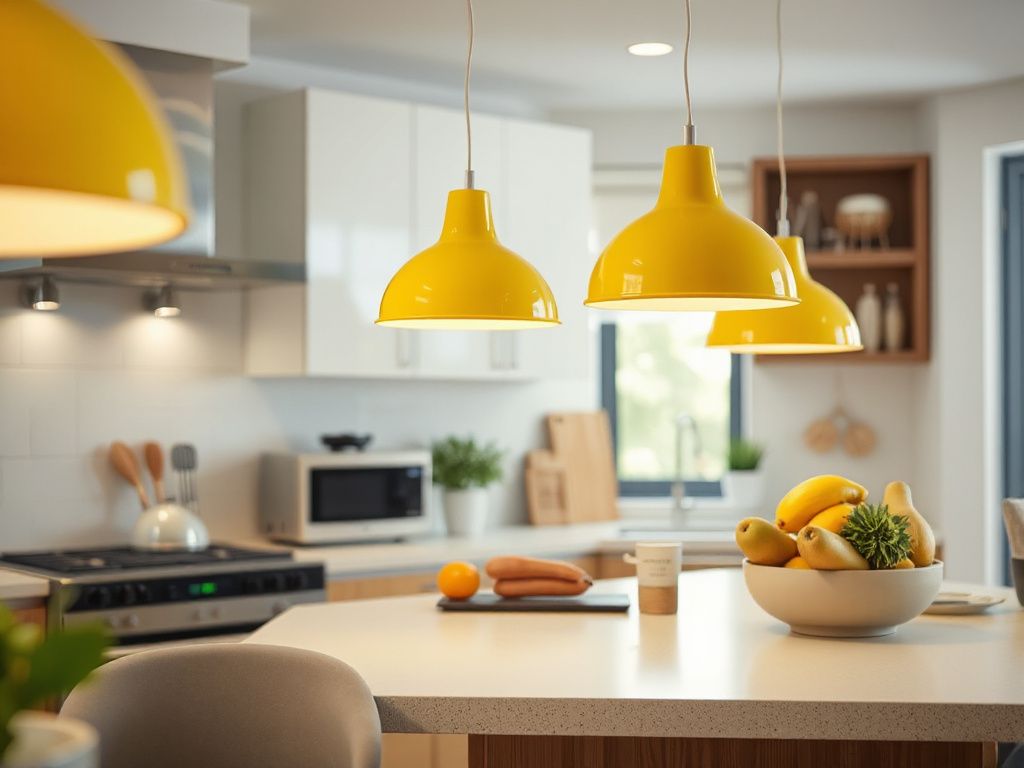
Yellow isn’t one color. Mustard, lemon, ochre, gold, buttercream—each pulls a room in a different direction. The trick is matching the shade’s undertone to your lamp base and the room’s existing palette. A brass lamp base with a cool yellow lemon shade can look mismatched because the metal’s warmth asks for a golden or amber tone, not a pale, acidic yellow. A matte black or dark wood base is more forgiving; it can anchor a bright canary shade without the whole assembly feeling top-heavy. On a nightstand, the yellow shade should also play nicely with the wall color. Against a cool gray wall, a warm mustard shade creates a cozy focal point. Against a warm terracotta wall, that same mustard might blend in too much, so a brighter sunflower yellow adds needed contrast.
Fabric texture shifts perception as well. A glossy silk lampshade in yellow reflects more light back up at the ceiling, while a matte linen absorbs some of the light, making the yellow appear deeper and less saturated. That’s why chandelier lamp shades often use silk or semi-sheer fabrics—the light needs to travel upward and outward, and the slight sheen helps the yellow stay luminous rather than heavy. For a bedside lamp, I lean toward linen or slubbed cotton because they cast a softer, more restful light.
The White Lining Decision: When You Need It and When You Don’t
A yellow shade with a white lining produces a focused, usable light for reading or tasks. Without a lining, the shade glows all over, becoming a decorative light source itself. Both are valid, but you need to know which you’re choosing. An unlined yellow drum shade over a dining table throws a warm, diffuse halo that’s lovely for dinner parties but useless for doing paperwork. If the lamp is your main light source in a home office nook, get the white liner. If it’s an accent lamp meant to soften a corner, the unlined version creates that honeyed ambiance perfectly.
Some yellow paints and dyes—especially ‘saffron’ and ‘mustard’—are not UV-stable. Prolonged direct sunlight will cause them to fade to beige or gray, so place yellow shades away from south-facing windows or use a UV-filtering film. This is particularly true for unlined fabrics, where the dye is exposed on both sides. A lined shade has a protective inner layer that slows the fading, but the outer fabric still takes the hit. I’ve seen a vibrant ochre shade on a sun-drenched vanity turn the color of old cardboard in a single summer. A simple UV-blocking window film saved the replacement shade for years.
Safety First: Wattage, Clearances, and the Fire Risk You Can’t See
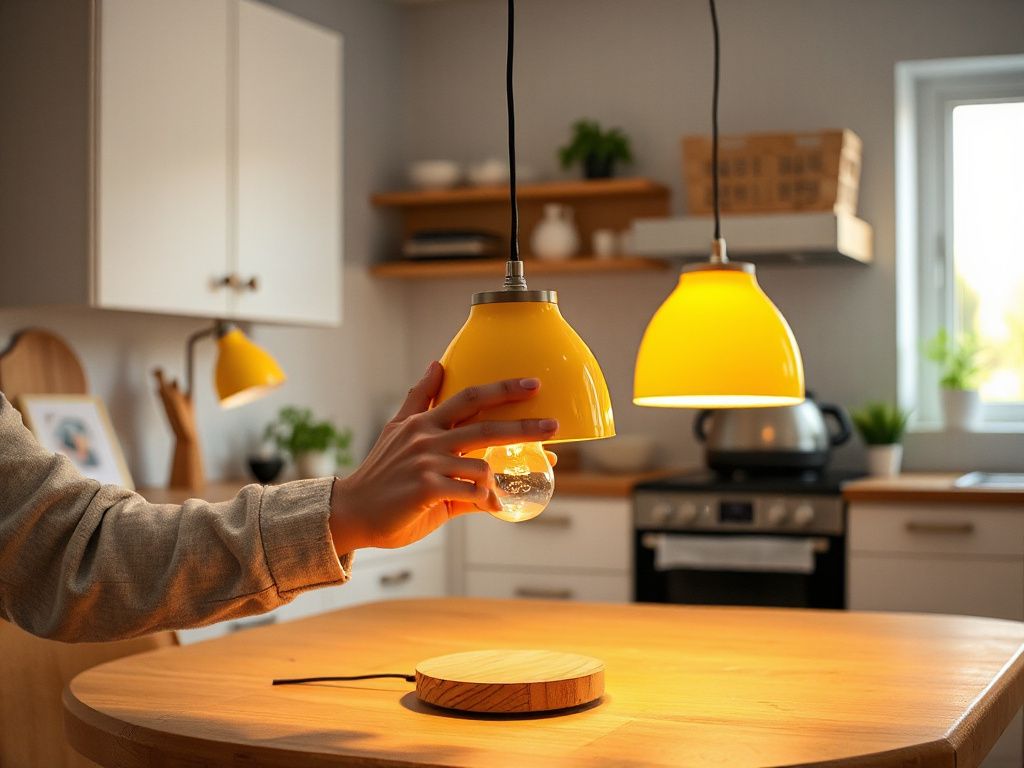
No shade is one-size-fits-all. The shade’s inner diameter and height must match your lamp’s harp and bulb clearance to prevent fire risk from heat buildup, especially with old incandescent bulbs. I’ve walked into too many homes where a pretty yellow shade is resting two inches above a 60W bulb because the harp is too short. The fabric starts to yellow in a whole different way—scorching. A shade that’s too narrow or too short traps heat, and even a 40W incandescent can push the internal temperature above 200°F inside a tightly fitted drum.
The UL (Underwriters Laboratories) listing on the shade’s packaging tells you the maximum wattage and bulb type. Look for that label. If there isn’t one, I treat the shade with extreme caution. With LEDs, the wattage concern drops dramatically—a 60W equivalent LED uses about 9 watts and stays cool. But many people still run incandescents in decorative lamps, so I always build in margin. My rule: the bulb should have at least three inches of clearance from all sides of the shade, and the top of the bulb should sit below the shade’s neck. For a drum shade, the bulb tip should be no higher than the lower third of the shade’s height. This keeps the hottest part of the bulb near the open bottom where air can circulate.
Clip-on shades that attach directly to the bulb demand extra scrutiny. The metal clip acts as a heat sink, but if the bulb is a standard A-shape incandescent, the clip can get hot enough to scorch the fabric where it pinches. I recommend only using clip-on shades with LED bulbs that stay cool to the touch. Even then, check the clip’s grip: a loose clip-on shade over a heavy yellow linen will eventually slip and tilt, putting the fabric even closer to the heat source.
Material Realities: Why That Yellow Silk Shade Might Not Be What You Expect
Different materials hold yellow dye differently and age in distinct ways. Linen and cotton take dye unevenly, which can give a mottled, organic look—fantastic for a rustic or boho room. But that same unevenness looks sloppy under a bright bulb. Silk yellow lampshades have a luminous depth because the fibers refract light in multiple directions, but silk is high-maintenance. If the shade is made of silk, never use water-based cleaners; dry cleaning is required, and oil from fingerprints will permanently darken the fabric. Even a light touch leaves a mark over time, and the only fix is a professional restoration that often costs more than a replacement shade.
Paper shades in yellow are surprisingly durable and cast an even, warm glow. They’re often the budget option, but a high-quality laminated paper shade resists dust buildup better than raw fabric. Plastic or acrylic shades in yellow can look cheap, but a well-molded version with a textured surface mimics frosted glass and is practically indestructible. Stained glass yellow shades are in a class of their own—the glass transmits pure, jewel-like color that never fades. The downside is weight; a stained glass shade needs a sturdy harp and a base heavy enough not to tip. I’ve seen cheap floor lamps topple because someone swapped a fabric shade for a beautiful leaded glass piece without anchoring the base.
Why Insects Might Love Your Yellow Shade More Than You Do
It’s not a myth: yellow does attract certain insects. Many flying insects see in the ultraviolet and blue-green spectrum, but some are drawn to the high reflectance of yellow wavelengths in the 500-600 nm range. A yellow lampshade near an open window in summer can become a bug collector. This is fewer of an issue with cool or green shades, which reflect less of the attracting wavelengths. If insects are a problem, swap the shade to a glass or plastic version that can be wiped down daily, or move the lamp away from window sills. A yellow shade with a tight-fitting bottom diffuser also reduces the number of bugs that get inside and die, leaving dark specks that are visible through the fabric.
Cleaning and Maintenance: How Often and What Method Won’t Ruin It
Yellow fabric shades are prone to visible dust and pollen, so a washable material (cotton or polyester blend) or a glass/plastic shade is easier to maintain. For linen and cotton shades, weekly dusting with a lint roller or a soft horsehair brush keeps the yellow from looking dingy. Every three months, if the shade is unlined, I recommend a gentle vacuum with a brush attachment and a low-suction setting. Never use liquid cleaners on an unlined fabric shade unless the manufacturer’s tag explicitly says it’s washable; water can cause the dye to bleed or leave ring marks as it dries unevenly.
Silk and other delicate fabrics need a dry cleaning approach. I use a dry microfiber cloth to lift dust, and for oily marks near the top rim (where hands touch during installation), a dry-cleaning sponge designed for delicate fabrics can absorb some of the oil. But once the oil has set, it’s permanent. Some clients have tried using a hairdryer on low heat to “melt” the oil, and ended up shrinking the silk. That’s a new shade scenario every time. Laminated paper shades can be wiped with a barely damp cloth and dried immediately. Glass and acrylic shades just need soap and water; they’re the lowest maintenance option and hold their yellow indefinitely.
Direct sunlight is the biggest threat to yellow dyes. Even a few hours of morning sun through an east window will start the fading process on unlined cotton. If you can’t move the lamp, apply a UV-blocking window film to the glass, which cuts 99% of UV rays without darkening the room. This single step has saved more of my clients’ shades than anything else. For cordless bamboo shades and other window treatments in the same room, similar UV protection keeps the whole color scheme consistent.
Intelligent Bulbs and the Yellow Shade Dilemma
Can you use a yellow lamp shade with a smart bulb that changes color temperature? Yes, but the results might weird you out. A smart bulb set to 2700K under a yellow shade looks as expected—warm and cozy. Dial it up to 5000K, and the shade’s dye starts cancelling the blue, leaving a sickly yellow-green. Even worse, some smart bulbs overshoot the warm white end, hitting 2200K candlelight mode, where the shade darkens to an orange-brown that resembles burnt toast. The only way to avoid surprises is to test every temperature preset with the shade on before committing to a smart bulb setup. I recommend a bulb with a dedicated “shade mode” or the ability to lock a Kelvin range, so a guest doesn’t accidentally turn your beautiful saffron shade into a horror show.
Dimmer switches compound the effect. As you dim an incandescent bulb, its color temperature drops—it becomes warmer. Under a yellow shade, a dimmed bulb can go from golden to ruddy orange. That might be exactly the sunset mood you want on a bedside lamp, but on a reading lamp it can strain the eyes. Use a bulb designed for dimming that holds its color temperature more consistently (often labeled “dim-to-warm” or with a stable Kelvin rating). That way, the shade’s color remains true as you adjust the brightness.
Integrating Yellow Shades into a Cohesive Room Design
A yellow lamp shade doesn’t live in isolation. It pulls the room’s yellow accents together or creates a deliberate clash. Against warm wall colors like peach or cream, a mustard shade blends harmoniously. Against cool blues or greens, it pops as a complementary accent. The lamp base material matters too. Brass bases amplify the yellow’s warmth, while chrome or nickel bases cool it down. A matte black base puts all the visual weight on the shade, making the yellow the primary color statement. Wood bases, especially walnut or mahogany, pair beautifully with ochre and gold shades because the wood’s natural red undertones resonate with the yellow’s warmth.
Yellow Roman shades or yellow curtains in the same room can create a cohesive design theme. Layering a yellow lamp shade with a yellow window treatment in a similar tone but different texture prevents the room from looking overly matched. For example, a nubby linen lamp shade in butter yellow paired with smooth cotton Roman shades in a slightly paler yellow feels intentional without being monochromatic. The lamp then acts as a focal point, drawing the eye to a seating area or bedside, while the window treatment frames the light source. When selecting window treatments, consider the same UV protection principles—the dye stability of the lamp shade and the Roman shade should be similar so one doesn’t fade noticeably faster than the other.
In terms of color psychology, yellow is associated with focus, warmth, and appetite. A yellow lamp shade in a home office can subtly energize the space without the harshness of white light. In a dining room, a yellow hanging pendant shade makes food look appetizing because it enhances the natural colors of bread, pasta, and roasted vegetables. In a bedroom, a soft yellow bedside shade promotes relaxation, especially when paired with a dimmer. The key is not to overdo it—one yellow lamp per 150 square feet usually sets the right mood without turning the room into a banana box.
How to Check for Lightfastness Before You Buy or Make a Shade
Lightfastness refers to a dye’s resistance to fading when exposed to light. Most reputable shade manufacturers print a lightfastness rating on the packaging or product page, using the Blue Wool Scale (1-8) or the ASTM standard. Look for a rating of 4 or higher for indoor use; anything below that will fade noticeably within a year if placed near a window. Unfortunately, many decorative shades skip this labeling. In that case, I do a quick rub test: take a white cloth and rub it firmly on a hidden area of the shade. If any color transfers, the dye is poorly fixed and will not only fade fast but may stain your hands or furniture.
For DIY makers, buying fabric specifically labeled “lightfast” or “UV-resistant” saves heartache. Thicker, tighter weaves hold dye better because less light penetrates to break the bonds. A heavy canvas yellow shade will outlast a sheer voile one by years. If you’ve already bought a shade and are worried, apply a clear UV-protective spray made for fabric and upholstery, but test it on an inconspicuous spot first. Some sprays can yellow themselves over time, ironically adding a brown tint to a light butter shade.
Frequently Asked Questions
Will a yellow lamp shade make my light bulb look more yellow, or does the shade color wash out the light?
A yellow shade subtracts blue and violet wavelengths from the bulb’s spectrum, which makes the light appear warmer. With a warm bulb (2700K-3000K), the effect is a richer amber. With a cool bulb (4000K+), the shade can create a muddy, greenish cast because some blue light still passes through, mixing with the reflected yellow. A white lining helps maintain a cleaner beam.
How many lumens or watts can I safely use underneath a linen or paper yellow shade?
Always follow the manufacturer’s maximum wattage label, but as a general safety rule: for linen shades, limit incandescent bulbs to 40W if the shade is unlined and 60W if lined, with at least 3 inches of clearance on all sides. Paper shades should usually stay at 25W incandescent or equivalent LED to avoid scorching, paper has a lower ignition point than fabric.
Why does my yellow fabric shade look brown or green under certain bulbs—is it the bulb or the fabric?
It’s the interaction between the bulb’s spectral output and the dye’s absorption. A bulb with a spike in the green wavelength (common in cheap LEDs) will reflect off the yellow dye poorly, creating a greenish-brown hue. Switch to a high-CRI (90+) LED in the 2700K-3000K range, or use an incandescent, to restore the intended gold tones.
How often do I need to dust and clean a yellow lamp shade, and what’s the safest way to do it?
Dust yellow fabric shades weekly with a lint roller or soft brush, because dust shows vividly against the bright color. For linen or cotton, vacuum with a brush attachment on low suction every 2-3 months. Silk shades require dry cleaning methods only. Glass and plastic shades can be washed with mild soap and water whenever they look dull.
