

A square light fixture is a common choice for many rooms. It offers clean lines and even illumination. But not every square light is built the same. As a lighting specialist who has inspected hundreds of installations, I focus on what matters: safe wiring, solid mounting, and the right light output.
Many homeowners buy a square light based on looks alone. They forget about the junction box weight rating, the dimmer compatibility, and the beam angle. This guide walks you through every technical detail you need to check before you buy or install.
Key Takeaways
- A square light fixture must match your junction box weight rating — most standard boxes hold up to 50 pounds.
- Check the beam angle and color temperature (2700K–4000K) to match the room’s purpose before buying.
- Always verify the mounting hardware matches the fixture; flimsy brackets cause sagging over time.
Understanding Square Light Fixtures: What You Need to Know
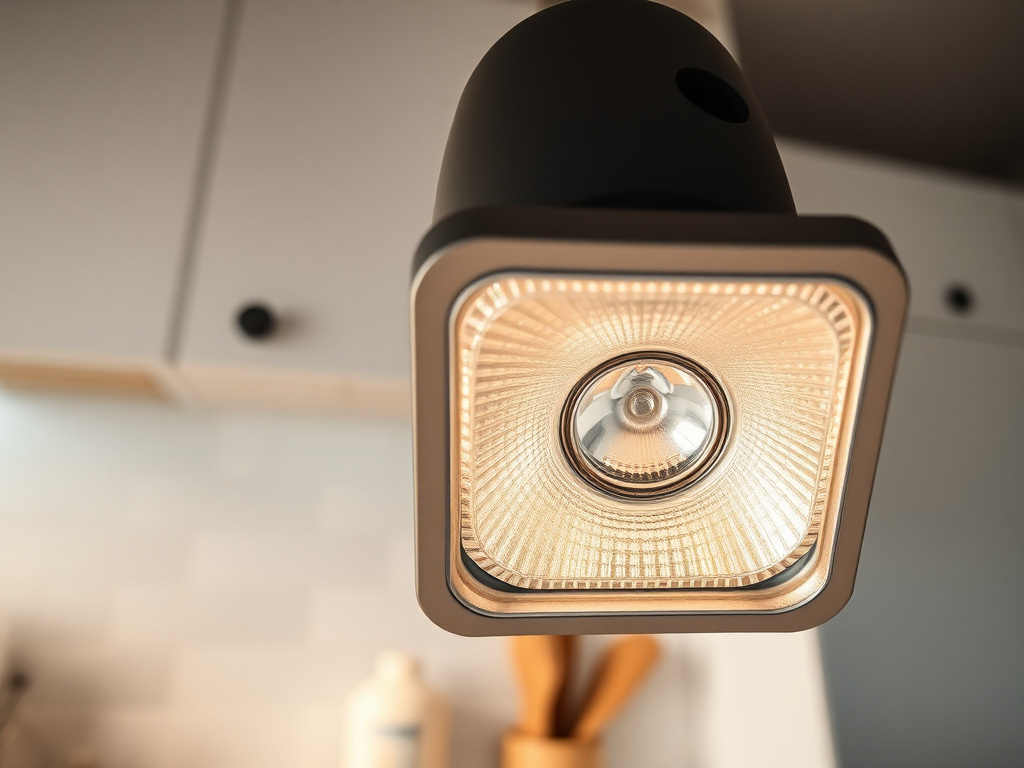
A square light is not just a shape. It is a design choice that affects how light fills a room. The square form factor directs light differently than a round fixture. Corners create shadow lines, and the housing depth changes the beam spread.
Square lights come in three main types: flush mount, semi-flush, and pendant. Each type has different mounting requirements and weight considerations. Flush mounts sit tight to the ceiling. Semi-flush options hang a few inches down. Pendants drop lower and need extra support.
Square Light vs. Round Fixtures: Key Differences
Round fixtures spread light in a circle. A square light directs illumination in a more angular pattern. This can be useful for task lighting over a kitchen island or desk. The square shape mirrors the geometry of many rooms, creating a cohesive look.
From an installation standpoint, square fixtures often have larger mounting plates. This means you need a junction box that is centered and flush with the ceiling. If your box is off-center, a square fixture will exaggerate the misalignment. Always measure the fixture base before you mount the box.
Safety First: What Every Homeowner Should Check
I have seen too many square lights that were not grounded properly. A missing ground wire can lead to flickering or even a shock hazard. Every fixture must have a bare copper or green ground wire connected to the junction box.
Check the fixture’s weight rating. Most residential junction boxes are rated for 50 pounds. If your square light is heavier, you need a fan-rated box. These boxes have stronger screws and a support bar. Flush mount square lights usually weigh 5–15 pounds, so standard boxes work.
Mounting Hardware: The Hidden Weak Point
The bracket that holds your square light to the ceiling is critical. Many budget fixtures come with thin stamped steel brackets. These can bend under the fixture’s weight, causing the light to sag. Look for brackets that are at least 1/16-inch thick.
Also, check that the screws provided match the holes in your junction box. Standard screws are 6-32 or 8-32. If the screws are too short, they won’t thread fully. If they are too long, they can hit wires inside the box. Always test-fit the bracket before attaching the fixture.
Choosing the Right Square Light for Your Room
The best square light for a room depends on the ceiling height and the purpose of the space. A kitchen needs bright, even light. A bedroom calls for softer, warmer illumination. Measure the room’s square footage to estimate the lumens you need. A good rule is 20 lumens per square foot for general lighting.
For a 10×10 room, you need at least 2,000 lumens. A single square light with 2,500 lumens works well. If you want dimmable light, confirm the fixture is listed as dimmable. Not all LED square lights dim smoothly. Look for the phrase “dimmable” on the box.
Color Temperature: Warm vs. Cool
Color temperature is measured in Kelvin (K). A square light with 2700K emits a warm, yellowish glow. This is ideal for living rooms and bedrooms. A 4000K light is cooler and more neutral. It works in kitchens and bathrooms. Avoid 5000K or higher indoors — it looks harsh and clinical.
Many square lights offer selectable color temperatures. You flip a switch on the fixture to choose 2700K, 3000K, or 4000K. This is useful if you are unsure about the best temperature. Just remember to set the switch before you mount the fixture.
Installation Tips for a Square Light
Installing a square light is a straightforward job if you have the right tools. You need a voltage tester, wire strippers, a screwdriver, and a drill. Always turn off the power at the circuit breaker before you start. Use the voltage tester to confirm the wires are dead.
Remove the old fixture carefully. Take note of how the wires are connected. Many square lights have a white (neutral), black (hot), and green or bare (ground) wire. Connect matching colors with wire nuts. Tug gently on each connection to ensure it is secure.
Aligning the Fixture with the Ceiling
Square lights must sit flush against the ceiling to look right. If your ceiling is uneven, the fixture may gap. Use the mounting screws to adjust the height. Tighten them gradually in a cross pattern. This pulls the fixture evenly against the ceiling.
If the fixture has a canopy, make sure it covers the junction box completely. A gap of more than 1/8 inch is a sign of poor alignment. Loosen the screws and try again. Some fixtures have a gasket that helps seal against the ceiling.
Maintenance and Longevity of Square Lights
LED square lights have a long lifespan, typically 25,000 to 50,000 hours. That is 10–20 years of normal use. But the driver (the electrical component) can fail earlier. If your light flickers or stops working, the driver may need replacement. Some fixtures have replaceable drivers; others are sealed units.
Dust buildup on the diffuser reduces light output. Clean the fixture every few months with a dry microfiber cloth. Do not use water or spray cleaners near the LED chips. If the fixture has a glass lens, you can remove it and wash it with mild soap. Dry it completely before reinstalling.
Common Problems with Square Light Fixtures
One frequent issue is a buzzing sound. This is usually caused by a dimmer that is not compatible with the LED driver. Replace the dimmer with one rated for LED loads. Trailing-edge dimmers work best with most square lights.
Another problem is the fixture not turning on. Check the circuit breaker first. Then test the wires with a voltage tester. If power is present, the driver may be faulty. If the fixture is under warranty, contact the manufacturer for a replacement.
If you are looking for a dedicated reading or task light, consider a ceiling fan with light and remote for bedroom that also includes a square light integrated into the fan motor. This dual-purpose fixture saves ceiling space and provides both air circulation and illumination.
Style Considerations for a Square Light
The finish of the square light should match the room’s hardware. Brushed nickel and chrome work in modern kitchens. Bronze and black suit traditional spaces. White fixtures blend into the ceiling and are less noticeable.
Think about the diffuser material. Opal acrylic diffuses light evenly and hides the LED chips. Clear glass shows the bulbs and creates a more industrial look. Some square lights have a frosted glass diffuser that gives a soft glow.
The depth of the fixture also matters. A shallow flush mount (2–3 inches deep) works in low ceilings. A deeper fixture (4–6 inches) creates more visual interest but may feel imposing in a small room. Measure your ceiling height before you choose.
Energy Efficiency and Square Lights
LED square lights use 80% less energy than incandescent fixtures. A 30-watt LED square light produces about 3,000 lumens. That is equivalent to a 200-watt incandescent bulb. Over a year, the savings on electricity can be $20–$30 per fixture.
Check the fixture’s ENERGY STAR rating. This ensures it meets efficiency standards. Also, look for the Color Rendering Index (CRI). A CRI of 90 or higher makes colors look natural. A CRI of 80 is acceptable for most rooms.
For a romantic dining setting, choose a square light with a warm dimming feature. This allows the light to shift to a lower color temperature as it dims. It creates the same effect as candlelight. For more ideas, check out the best place for candle light dinner near me guide, which offers inspiration for warm, intimate lighting.
Square Light in Different Rooms
In a kitchen, a square light over the sink or island provides focused task lighting. Choose a fixture with a wide beam angle (120 degrees or more) to cover the work surface. In a bathroom, a square light with a damp rating is required. Look for a fixture labeled “damp location” or “wet location.”
In a hallway, a square flush mount works well for low ceilings. Install one every 6–8 feet for even light. In a closet, a square light with a motion sensor saves energy. The sensor turns the light on when the door opens and off after 5 minutes of no movement.
In a home office, a square light with adjustable brightness is ideal. Look for a fixture that works with a smart dimmer. You can control it from your phone or set schedules. This helps reduce eye strain during long work sessions.
Frequently Asked Questions
What is the difference between a square light and a round light?
A square light directs light in a more angular pattern, while a round light spreads it evenly in all directions. The square shape often matches room geometry better, especially in modern kitchens and bathrooms. Installation may require more precise alignment because the corners exaggerate any misalignment with the ceiling.
Can I install a square light myself?
Yes, if you have basic electrical knowledge and tools. You must turn off the power, connect wires correctly, and secure the fixture to a junction box rated for its weight. If you are unsure about wiring, hire a licensed electrician. Improper installation can cause fire or shock hazards.
How do I clean a square light fixture?
Turn off the power. Use a dry microfiber cloth to wipe the diffuser and housing. For glass lenses, remove them and wash with mild soap and water. Dry completely before reinstalling. Do not use abrasive cleaners or spray liquids near the LED chips, as moisture can damage the driver.
What size square light do I need for a 10×10 room?
A single fixture with 2,000–2,500 lumens works well. For a 10×10 room, a square light that is 12–16 inches wide provides adequate coverage. If the ceiling is higher than 8 feet, consider a larger fixture or two smaller ones spaced evenly. Always measure the room’s square footage and multiply by 20 for the minimum lumens.
