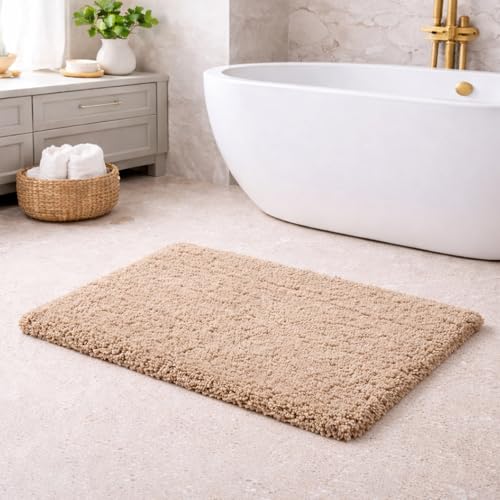

A boho bathroom rug can look perfect when it is first placed. The pattern was perfect—earthy tones, a loose weave, that free-spirited look I wanted. But within a week, some rugs can have edges that curl, backing that discolors, and shedding like a cat in summer. A boho bathroom rug requires more than just good taste. It needs the right material, proper placement, and a cleaning routine that respects its delicate construction. The product specifications and textile specialists make clear exactly what works and what does not. Here is everything to know before a purchase.
Key Takeaways
- Choose natural fibers like cotton or jute for moisture management, but avoid pure wool in high-humidity bathrooms.
- Measure your floor space carefully—a rug that is too small looks awkward and shifts underfoot.
- Use a non-slip pad underneath every boho bathroom rug to prevent accidents and extend the rug’s life.
- Wash cotton boho rugs in cold water on a gentle cycle, and air dry flat to prevent shrinkage and color bleeding.
Why Material Choice Matters for a Boho Bathroom Rug
The bohemian aesthetic thrives on natural textures—fringe, tassels, chunky weaves. But bathrooms are humid environments. I have seen beautiful handwoven rugs ruined in weeks because the owner did not account for moisture. Cotton is my go-to recommendation for most bathrooms. It absorbs water well, dries quickly, and can be machine washed. Linen is another excellent option, though it wrinkles easily. Jute and sisal look stunning but are terrible for bathrooms. They soak up moisture, develop mold, and the fibers break down. If you love the look of natural fibers, use a jute rug only in a half-bath or powder room with no shower. For full bathrooms, stick with cotton or a cotton-polyester blend.
Cotton: The Workhorse of Boho Bathroom Rugs
Cotton rugs are affordable, soft, and easy to clean. Look for rugs labeled as pre-washed or stonewashed—these have already gone through a shrink cycle, so they will not warp after your first wash. A flatweave cotton rug with a low pile dries fastest. Avoid thick, tufted cotton rugs that hold moisture against the floor. I recommend washing a cotton boho bathroom rug every two weeks. Use cold water and a gentle detergent. Never use bleach—it weakens the fibers and fades the vibrant patterns that define the boho look.
Synthetic Blends: When to Consider Them
Not all boho rugs are natural. Some of the best-performing options use a blend of cotton and polyester or viscose. These rugs resist staining better and hold their shape after repeated washing. The downside? They do not have the same breathable feel as 100% cotton. If you have a family with young children or pets, a synthetic blend might be the practical choice. Just check the label for machine washable and low heat drying instructions. Many rugs are ruined by high heat in the dryer.
Sizing and Placement: Getting the Proportions Right
A boho bathroom rug that is too small looks like a postage stamp on a large envelope. It shifts when you step on it and does not protect the floor where you need it most. The most common mistake is buying a rug that is only 20 by 30 inches for a standard vanity area. That size works for a small sink, but for a double vanity, you need at least a 47 by 70 inch rug. For a single vanity, a 24 by 47 inch rug is the minimum. Always measure the open floor space in front of your sink and toilet. Leave at least 6 inches of bare floor on each side to avoid a cramped look.
How to Measure for a Boho Bathroom Rug
Grab a tape measure and note the length and width of the area you want to cover. For a runner in front of a long vanity, subtract 4 inches from each side so the rug does not bump into cabinets or the wall. For a round rug in front of a pedestal sink, measure the diameter of the sink base and add 18 inches. A circle jute rug can look fantastic in this spot, but only if it is large enough to step onto without your foot landing half off the rug. I have seen many beautiful round rugs that are simply too small.
Using a Non-Slip Pad Under Every Boho Bathroom Rug
I cannot stress this enough. A non-slip pad is not optional. Bathroom floors are often tile or vinyl—smooth surfaces that let rugs slide. A rug that moves underfoot is a tripping hazard, especially when you step out of the shower. Look for a gripper pad made from natural rubber or latex. Avoid PVC pads—they can discolor your floor over time. Cut the pad to be 1 to 2 inches smaller than the rug on all sides so it stays hidden. Replace the pad every 12 months, as the grip weakens with washing.
Cleaning and Maintenance: Extending the Life of Your Boho Bathroom Rug
Boho bathroom rugs collect dust, hair, and soap scum. I have seen rugs that looked beautiful on day one but turned gray and matted within a month because the owner never vacuumed them. Vacuum your rug at least once a week using a suction-only attachment. Beaters can snag the fringe and pull threads. For cotton rugs, a monthly machine wash is ideal. Use cold water on a gentle cycle, and add a half cup of white vinegar to the rinse cycle—it neutralizes odors and helps maintain color vibrancy. Never wring out a wet rug. Instead, roll it in a towel to absorb excess water, then lay it flat to dry. Hanging a wet rug can stretch the fibers unevenly.
Dealing with Mold and Mildew
If you notice a musty smell or dark spots, act fast. Mix a solution of equal parts water and white vinegar. Blot the affected area with a cloth, then rinse with clean water. Do not scrub—scrubbing pushes mold deeper into the fibers. After treating, place the rug in direct sunlight for a few hours. Sunlight is a natural disinfectant. For stubborn mold, you may need to replace the rug. This is why I always recommend cotton over jute or wool for bathrooms. Cotton can be washed and dried thoroughly. Natural fiber rugs like jute cannot be wet-cleaned without damage.
Color and Pattern: Choosing a Boho Bathroom Rug That Lasts
Boho style is known for rich, layered patterns—ikat, tribal, paisley, and geometric prints. But not all dyes are created equal. With some rugs, the colors bleed into each other after the first wash, turning a beautiful multicolor design into a muddy mess. Look for rugs that use fiber-reactive dyes on cotton. These dyes bond chemically with the fibers and resist fading and bleeding. If the rug label does not specify the dye type, do a quick test. Wet a white cloth and press it against a colored area of the rug. If any color transfers, the rug will bleed in the wash. Avoid that rug for a bathroom.
Light vs. Dark Backgrounds
A light-colored boho bathroom rug shows dirt and stains quickly. I have learned this the hard way. A cream or beige rug with a busy pattern hides daily grime better than a solid white rug. Dark rugs—navy, charcoal, deep rust—hide stains well but can make a small bathroom feel cramped. If your bathroom has good natural light, a medium-tone rug with a mix of warm and cool colors works best. It masks wear while still brightening the space.
Storage and Rotation: Keeping Your Boho Bathroom Rug Fresh
Even the best rug will wear unevenly over time. The area in front of the sink gets the most foot traffic. I rotate my bathroom rugs every three months to distribute wear. If you have multiple rugs, swap them between bathrooms to give each one a break. When storing a boho bathroom rug for the season, roll it instead of folding it. Folding creates permanent creases. Wrap the rolled rug in a cotton sheet or a breathable storage bag. Never store a damp rug—mold will develop within 48 hours. If you need extra storage solutions for your bathroom, check out our guide on The 5 Best Tall Bathroom Storage Cabinets of 2026 for ideas on keeping your space organized.
Frequently Asked Questions
Can I use a boho bathroom rug on a heated floor?
Yes, but with caution. Most boho bathroom rugs made from natural fibers like cotton or jute are safe on radiant heated floors up to 85°F. Avoid rugs with thick rubber backing, as the heat can degrade the rubber and cause it to stick to the floor. Use a thin felt pad instead of a rubber pad to allow heat to pass through. Check the rug manufacturer’s guidelines before installing.
How often should I replace a boho bathroom rug?
With proper care, a quality cotton boho bathroom rug lasts 2 to 3 years. Signs it is time to replace include fraying edges that cannot be repaired, persistent odors after washing, or a loss of color that makes the pattern look faded. If the rug starts shedding fibers excessively, it is breaking down and should be replaced. For jute or sisal rugs in a low-moisture bathroom, expect 1 to 2 years of use.
What is the best way to dry a boho bathroom rug after washing?
Air drying is best. Lay the rug flat on a clean surface, such as a drying rack or a towel on the floor. Flip it halfway through drying to ensure both sides dry evenly. Avoid hanging the rug over a railing or shower rod—gravity stretches the fibers and creates uneven shapes. If you must use a dryer, choose the lowest heat setting and remove the rug while it is still slightly damp to prevent shrinkage.
Are boho bathroom rugs safe for people with allergies?
Natural fiber rugs like cotton and jute are generally hypoallergenic. They do not trap dust mites as easily as synthetic shag rugs. However, the fringe and tassels can collect dust and pet dander. Vacuum the rug weekly using a HEPA-filter vacuum. Wash cotton rugs every two weeks in hot water (130°F) to kill dust mites. If you have severe allergies, choose a flatweave rug without fringe for easier cleaning.
Can I put a boho bathroom rug outside the shower?
Yes, but choose a rug specifically designed for high-moisture areas. Look for rugs made from quick-drying cotton or a cotton-polyester blend. Place a non-slip pad underneath to prevent slipping on wet tile. Avoid rugs with a thick, plush pile—they hold water and take too long to dry, leading to mold. A flatweave or low-pile boho rug is ideal for this spot. For more bathroom accessory ideas, see our What Are The Best Bathroom Accessories [2026 Guide].