

According to a 2023 survey from the National Gardening Association, over 35% of American households now incorporate some form of vertical gardening into their outdoor spaces. That number has only grown since. One of the most versatile tools for this trend is the hanging planter box, which offers a way to add greenery without sacrificing floor space. As someone who reviews planters and decorative accents for a living, I’ve seen firsthand how these boxes can transform a bare wall or empty corner into a living focal point.
Key Takeaways
- A hanging planter box works best when matched to your home’s architectural style and the specific light conditions of the spot you choose.
- Proper drainage and material selection are critical for long-term plant health and avoiding water damage to your property.
- Regular maintenance, including seasonal rotation and cleaning, keeps your planters looking fresh and your plants thriving year after year.
Why Choose a Hanging Planter Box for Your Outdoor Space
Vertical gardening has moved from a niche hobby to a mainstream design choice. A hanging planter box is an excellent entry point because it requires no permanent structural changes. You can hang it from a balcony railing, a sturdy hook on a fence, or even a ceiling beam on a covered porch.
The biggest advantage is flexibility. Unlike built-in beds or heavy ceramic pots, a hanging box can be moved as seasons change or as your design preferences evolve. You can swap out plants, adjust the height by changing the chain length, or relocate the entire unit to a sunnier spot.
Another practical benefit is pest management. Elevated planters are less accessible to slugs, snails, and ground-dwelling insects. This separation can reduce the need for chemical treatments and make organic gardening easier.
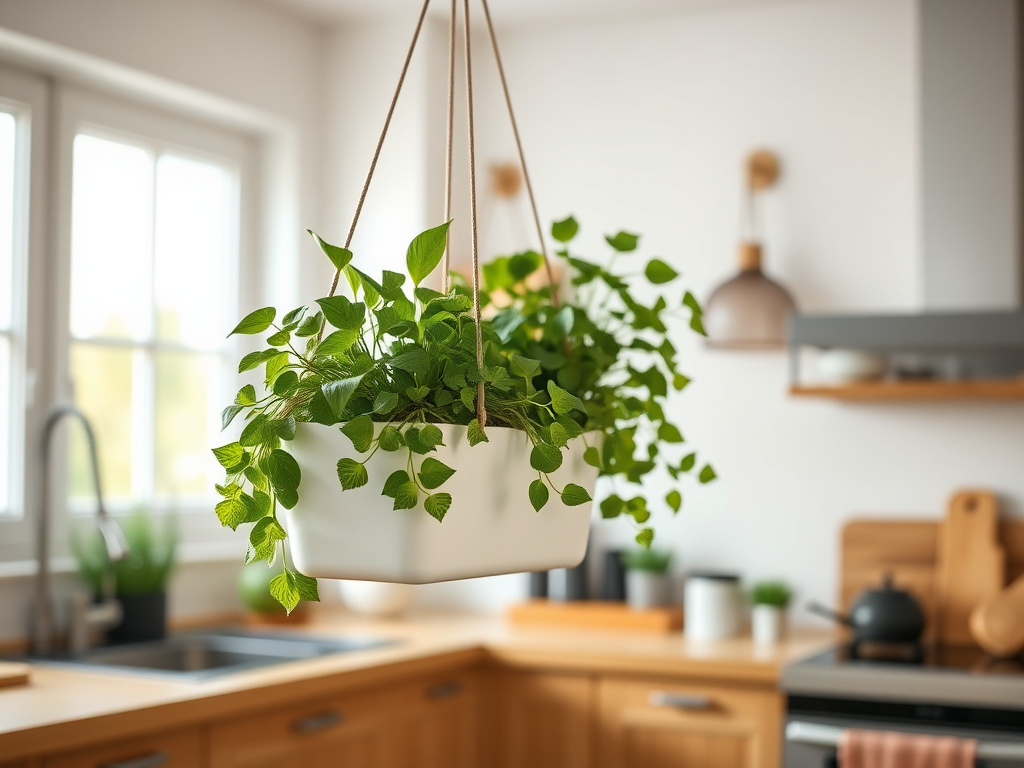
Selecting the Right Material for Your Hanging Planter Box
The material of your planter box directly affects its weight, durability, and how well it retains moisture. Each option has trade-offs, so consider your climate and the specific location before buying.
Wooden Hanging Planter Boxes
Cedar and redwood are the most common choices for wooden planters. Both are naturally rot-resistant and lightweight compared to stone or concrete. A wooden box blends well with traditional or rustic home exteriors.
However, wood requires regular sealing or staining, especially if exposed to rain and sun. Without maintenance, it can crack or warp within two or three seasons. I recommend applying a water-resistant sealant every spring to extend its life.
Metal Hanging Planter Boxes
Galvanized steel and powder-coated aluminum are popular for modern and industrial-style homes. Metal planters are durable and often lighter than wood when made from thin-gauge steel. They also resist pests like termites.
The downside is heat absorption. Dark-colored metal can heat up quickly in direct sunlight, potentially cooking sensitive roots. If you live in a hot climate, choose a lighter color or place the box in a spot that gets afternoon shade.
Fiberglass and Resin Options
Fiberglass planters mimic the look of stone or concrete but weigh a fraction of the real thing. They are UV-resistant and won’t fade or crack easily. Resin planters are the most budget-friendly option and come in many colors and textures.
These materials are non-porous, meaning they hold moisture longer. That’s helpful in dry climates but can lead to overwatering if you aren’t careful. Always ensure your box has drainage holes, regardless of the material.
Where to Hang Your Planter Box for Maximum Impact
Placement is everything. A hanging planter box can highlight an architectural feature, soften a hard edge, or create privacy. But put it in the wrong spot, and it becomes an eyesore or a safety hazard.
Balcony and Railing Mounts
Balcony railings are the most common location for hanging planters. Use brackets designed to fit over the railing without damaging the paint or finish. Measure the depth of your railing first — not all brackets fit all railings.
For safety, avoid overloading the railing. A fully saturated planter box can weigh 30 to 50 pounds, depending on size and soil type. Distribute weight evenly across multiple brackets if you are hanging a long box.
Fence and Wall Mounts
Wooden fences and exterior walls can support planter boxes with the right hardware. Use stainless steel screws and wall anchors rated for at least double the weight of your filled box. For brick or stucco, you’ll need masonry anchors.
Consider the sun exposure. South-facing walls get the most light, while north-facing walls stay shaded. Match your plant choices to the conditions. Succulents and herbs love full sun; ferns and impatiens prefer shade.
Ceiling and Beam Hangs
Covered porches and pergolas are ideal for hanging planters from above. Use a heavy-duty hook rated for 75 pounds or more. Chains or ropes should be rust-resistant and long enough to allow easy watering.
This placement draws the eye upward, making a small space feel larger. It also keeps the planter out of reach of pets and children.
Choosing the Right Plants for Your Hanging Planter Box
The plants you select need to match both the light conditions and the depth of the box. Shallow boxes (under 6 inches deep) work best for trailing plants and shallow-rooted annuals. Deeper boxes can accommodate perennials and small shrubs.
Sun-Loving Plants
For full-sun locations, consider petunias, verbena, portulaca, or trailing rosemary. These plants thrive in at least six hours of direct sunlight and will bloom profusely when given consistent water.
Herbs like thyme, oregano, and sage are excellent choices for a kitchen window box. They are drought-tolerant and provide fresh ingredients for cooking.
Shade-Tolerant Plants
In shaded spots, ferns, begonias, and coleus perform well. Trailing ivy or creeping Jenny can spill over the edges, creating a lush, cascading effect. These plants prefer moist soil and indirect light.
Hostas can work in a deeper box, but they may need more water than shallow-rooted plants. Monitor the soil moisture regularly during hot spells.
Installation Tips for a Secure and Lasting Setup
Proper installation prevents accidents and ensures your plants get the best start. Here’s a step-by-step approach based on my experience reviewing hundreds of planter setups.
Step 1: Determine the Weight
Before drilling any holes, calculate the total weight of your filled planter. Soil weighs roughly 2.5 pounds per dry quart, and water adds significant weight after watering. A 36-inch box filled with soil and plants can easily exceed 40 pounds.
If you are unsure about your mounting surface, consult a contractor. Drywall alone cannot support a hanging planter — you need to hit studs or use toggle bolts rated for the weight.
Step 2: Use Proper Hardware
For wooden surfaces, use #10 or larger stainless steel screws at least 2 inches long. For masonry, use sleeve anchors or wedge anchors designed for outdoor use. Never use drywall screws for hanging planters.
If your planter comes with chains or ropes, replace any plastic components with metal for added strength. Check the hardware every six months for signs of rust or wear.
Step 3: Level and Adjust
Use a spirit level to ensure the box hangs straight. An uneven planter can cause water to pool at one end, leading to root rot. Adjust the chain length or bracket position until the box is level.
If you are hanging multiple boxes, align them at the same height for a cohesive look. Alternatively, stagger heights for a more dynamic arrangement.
Watering and Maintenance Routines
Hanging planters dry out faster than ground-level beds because they are exposed to more air circulation. You may need to water daily during hot weather. Use a watering can with a long spout to reach the soil surface without splashing the foliage.
Check the drainage holes regularly. If water isn’t flowing freely, the holes may be clogged with roots or soil. Clear them with a small stick or toothpick. Standing water at the bottom of the box can drown roots and promote fungus.
Fertilize every two weeks during the growing season with a balanced liquid fertilizer. Because frequent watering leaches nutrients from the soil, hanging planters need more feeding than in-ground plants. Reduce feeding to once a month in fall and stop entirely in winter for deciduous plants.
Seasonal Care and Overwintering
In cold climates, most hanging planter boxes need protection from freezing. Wood and metal can crack when water inside them freezes and expands. Before the first frost, move the box to a sheltered location or bring it indoors.
If moving is not possible, wrap the planter in burlap or bubble wrap for insulation. Remove dead plant material to reduce pest habitat. Consider planting cold-hardy options like pansies or ornamental kale for winter interest.
In spring, refresh the soil by removing the top inch and replacing it with fresh potting mix. This replenishes nutrients and improves drainage after a long winter.
Styling Your Hanging Planter Box Like a Pro
As a decorative accents reviewer, I see hanging planters as punctuation marks for a room — they finish a sentence that the architecture starts. The right box can complement your home’s existing palette and add visual rhythm.
Match the planter’s finish to your outdoor hardware. If your door handles and light fixtures are black, choose a black metal planter. If you have bronze accents, go with a warm-toned wood or terra cotta.
Use the “thriller, filler, spiller” method for plant arrangement. Place a tall thriller like a grass or dracaena in the center, surround it with filler plants like annual flowers, and let spillers like ivy or sweet potato vine trail over the edges. This creates depth and movement.
For those interested in expanding their indoor plant collection, my guide on the best planters for indoor plants offers practical advice for transitioning outdoor favorites inside during colder months.
If you are looking for a versatile piece of furniture that doubles as a planting station, my review of the best dresser changing table combos includes models that work well in a sunroom or mudroom for potting and storage.
Finally, if you encounter issues with stinging insects near your planters, the best way to get stingers from planters guide covers safe removal techniques without harming your plants.
Frequently Asked Questions
How deep should a hanging planter box be for vegetables?
Most vegetables need at least 8 to 10 inches of soil depth. Leafy greens like lettuce and spinach can manage in 6 inches, but tomatoes, peppers, and cucumbers require deeper boxes. Choose a box that is at least 10 inches deep for a productive vegetable garden.
Can I use a hanging planter box indoors?
Yes, as long as the box has a drip tray or you place it over a waterproof surface. Indoor hanging planters work well near windows or under skylights. Be mindful of the weight on your ceiling or wall and use appropriate anchors.
How often should I water a hanging planter box in summer?
In hot weather, you may need to water once or even twice daily. Check the soil moisture by sticking your finger an inch deep. If it feels dry, water until you see drainage from the bottom. Mulch on top of the soil can help retain moisture.
What is the best way to prevent a hanging planter box from swinging?
Use two separate hooks spaced evenly apart to stabilize the box. If using a single hook, choose a planter with a flat back that rests against the wall. You can also attach the chains to the wall with small eye hooks to reduce movement.
