

Build a raised bed too shallow and your tomatoes will sulk, your carrots will fork, and your watering schedule becomes a daily emergency. I’ve watched gardeners spend a full weekend assembling a beautiful cedar frame only to fill it with 4 inches of soil and wonder why nothing grows. The depth of your raised bed matters more than almost any other design decision.
Determining how deep a raised garden bed should be isn’t a single number you can pull from thin air. It depends on what you’re growing, what’s underneath the frame, and how much soil you’re willing to haul. I’ve built and planted raised beds in a community garden where the ground was hard clay, and I learned that the frame height is only half the story. The real question is whether the bed sits on native soil or a hard surface — if you have good ground below, even a 12-inch frame gives you effectively 24 inches because roots can grow into the soil beneath. Beginners often mistake frame depth for usable depth, but the drainage layer and fabric cut into that number, so I always advise measuring the soil depth inside the frame, not the lumber height.
Key Takeaways
- 6 inches is the absolute minimum for leafy greens and herbs; root crops need 10–12 inches, and deep-rooting perennials or shrubs require 18–24 inches or more.
- A raised bed on native soil lets roots grow below the frame, but a bed on concrete gives you only the soil depth you fill inside the frame.
- Deeper beds hold more moisture and warm up slower in spring, but they also cost more and weigh more — doubling depth from 6 to 12 inches doubles soil volume and expense.
How Deep a Raised Garden Bed Should Be: Non-Negotiable Minimums by Plant Type
Not all plants need the same amount of soil below them. A shallow tray of lettuce will thrive where a parsnip would hit a hard stop and look like a deformed cartoon. University of Minnesota Extension recommends at least 6 to 12 inches for most vegetables, but that range hides important nuance. Let me break it down by what you actually want to grow.
Leafy Greens and Herbs: 6 Inches Works
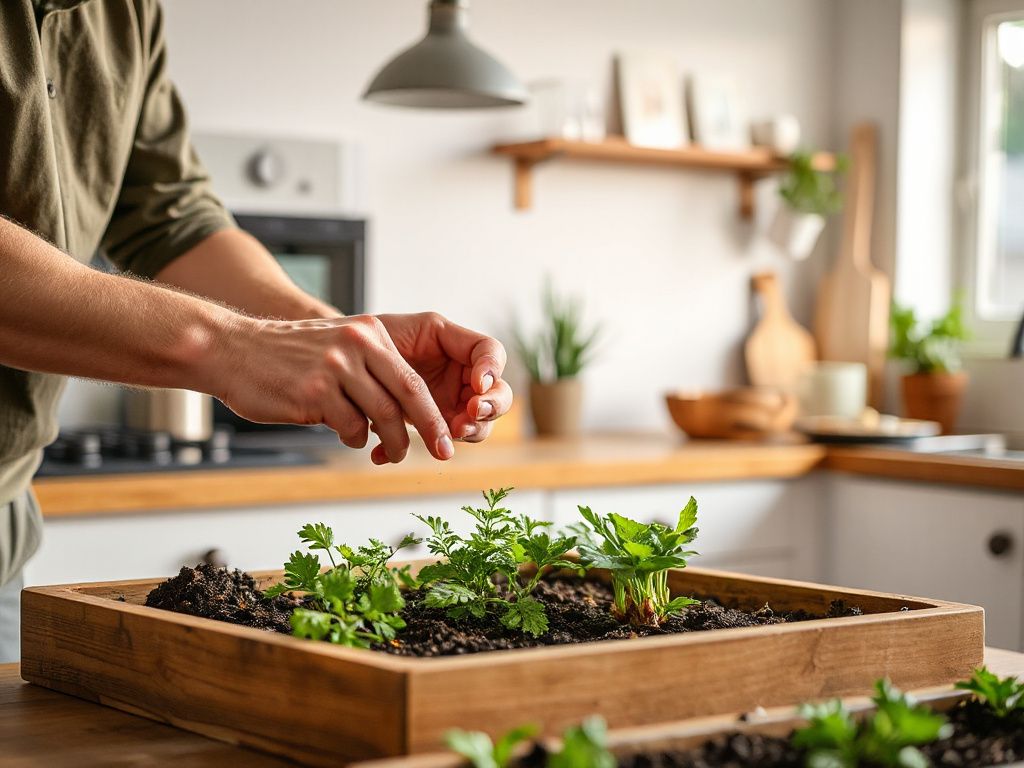
Lettuce, spinach, kale, arugula, and most annual herbs like basil, cilantro, and parsley have shallow, fibrous root systems. They rarely send roots deeper than 6 to 8 inches even in open ground. A 6-inch raised bed filled with good quality potting mix or garden soil will keep these plants happy all season. Mel Bartholomew’s Square Foot Gardening method, which popularized 6-inch deep boxes filled with a specific soil blend, proved that shallow beds can produce an enormous amount of food in a small footprint.
That said, a 6-inch bed dries out faster than deeper ones because there’s less soil to hold water. If you live in a hot, dry climate, bump it to 8 or 10 inches just to reduce daily watering. The extra 2 inches of soil acts like a moisture reservoir.
Root Crops: 10 to 12 Inches Minimum
Carrots, parsnips, beets, turnips, and potatoes need loose, deep soil to develop straight, full roots. A carrot growing in 6 inches of soil will hit the bottom of the bed and fork into weird, stunted shapes. Carrots and other root vegetables need at least 10 to 12 inches of loose soil to develop straight roots and full tubers. Longer carrot varieties like Imperator may need 14 to 16 inches if you want those picture-perfect 10-inch roots. For potatoes, 12 inches of hilled soil above the seed piece is standard, so account for that when filling the bed.
If your raised bed is only 6 to 8 inches deep but sits over decent native soil, you can still grow root crops because the roots will eventually penetrate below the frame. The real problem is hard-packed clay or compacted subsoil directly under the bed, which stops taproots cold. In that case, either double-dig the ground beneath before setting the frame or build the bed deeper from the start.
Fruiting Vegetables: 12 to 18 Inches
Tomatoes, peppers, eggplants, and cucumbers are the heavy feeders with extensive root systems. A tomato plant in a 6-inch bed will grow but produce fewer, smaller fruit and demand constant watering. Tomatoes need at least 12 inches of soil, and 18 inches is even better for indeterminate varieties that sprawl and set fruit for months. The roots of a mature tomato can stretch 3 to 4 feet wide and 2 feet deep in open ground, so the more room you give them above a hard bottom, the healthier the plant.
Peppers and eggplants are slightly less demanding — 12 inches usually suffices. Cucumbers and summer squash have shallow but wide-spreading roots; 10 to 12 inches works if the bed is wide enough (at least 24 inches per plant).
Perennials, Asparagus, Rhubarb, and Shrubs: 18 to 24 Inches
Perennial vegetables like asparagus and rhubarb stay in the same spot for 10 to 20 years. They need deep, well-drained soil to establish crowns that survive winter and push up new shoots each spring. Asparagus and rhubarb require a raised bed depth of 18 to 24 inches to prevent crown rot and support long-term root development. The same goes for fruit shrubs like blueberries (which also need acidic soil) and small fruit trees grown in raised beds.
If you’re thinking of a dwarf fruit tree in a large raised planter, 24 inches is the realistic minimum. Anything less will restrict roots within a few years, and the tree will become pot-bound even inside a frame. Drainage becomes critical at this depth because waterlogged soil at the bottom of a 2-foot bed can suffocate roots just as badly as drought.
How Your Bed’s Foundation Changes the Depth Equation
Here’s where most raised bed depth charts fall apart. They assume you’re setting the frame directly on the ground, but half the beds I see in urban and suburban backyards sit on concrete patios, rooftops, or inches of gravel over compacted fill. The surface underneath the frame determines whether you can cheat on depth or must build the full root zone inside the frame itself.
Beds on Existing Soil or Grass: You Can Go Shallower
If your raised bed sits on open ground — even mediocre lawn soil — the roots of your plants will grow down past the bottom of the frame. That means a 6-inch frame over good garden loam gives you an effective root zone of 12 inches or more, because the plant taps into the native soil below. I’ve grown full-size tomatoes in a 6-inch deep cedar frame over a former lawn, simply by cutting out the sod and loosening the top 6 inches of soil underneath with a garden fork before filling the frame.
The key is to remove any weed barrier or landscape fabric that would block roots from penetrating downward. If you line the bottom with plastic or thick cardboard to kill grass, you’re creating a barrier that forces roots to stay inside the frame, effectively reducing your usable depth to the frame height alone. For beds over grass, I prefer to smother the grass with cardboard that will decompose within a season, allowing roots to break through as the cardboard breaks down.
If you’re deciding between digging down or building up, check out what to put at the bottom of a raised bed for drainage and weed control options that don’t sacrifice root access.
Beds on Concrete, Pavers, or Rooftops: Frame Depth Is Your Only Depth
A raised bed set on a hard surface gives you exactly the soil depth you fill inside the frame. There’s no cheating, no bonus soil below, no taproot escape hatch. If you want to grow tomatoes on a concrete patio, the frame itself must provide at least 12 inches of soil depth, and 18 inches is safer for root development and moisture retention.
Drainage also becomes a design problem. A bed on concrete lacks the natural percolation of open ground, so water can pool at the bottom of the frame and rot roots. You need a drainage layer of gravel or coarse sand at least 2 to 3 inches deep at the bottom, plus landscape fabric to keep soil from washing into the gravel. But remember: that drainage layer takes up vertical space. If you have a 12-inch frame and add 3 inches of gravel, you only have 9 inches of soil for roots. The frame height is not the soil depth. Always subtract the drainage layer and any fabric from the total.
A raised bed placed over concrete gives you exactly the soil depth you fill inside the frame, while a bed on open ground allows roots to penetrate below the frame line. If you’re planning a patio garden, build deeper than the plant’s minimum requirement — go 18 to 24 inches for tomatoes and perennials to account for the lost drainage layer.
Dealing with Burrowing Animals: Gophers, Rabbits, and Moles
If gophers or ground squirrels are a problem in your area, you need more than just depth — you need a physical barrier. The standard approach is to line the bottom and lower sides of the raised bed with hardware cloth (wire mesh with 1/4-inch or 1/2-inch openings). But that barrier sits at the bottom of the frame, creating a hard stop for roots, just like concrete. So you must build the bed deep enough to accommodate the plant’s full root system above the hardware cloth.
For carrots or potatoes above a gopher barrier, aim for 12 inches of soil above the mesh. For tomatoes, 18 inches. Rabbits and groundhogs don’t dig deep but can climb, so an 18- to 24-inch tall frame with an outward-facing lip at the top often deters them. The frame height above ground matters as much as the below-ground depth for keeping animals out.
Depth’s Effect on Watering, Soil Temperature, and Drainage
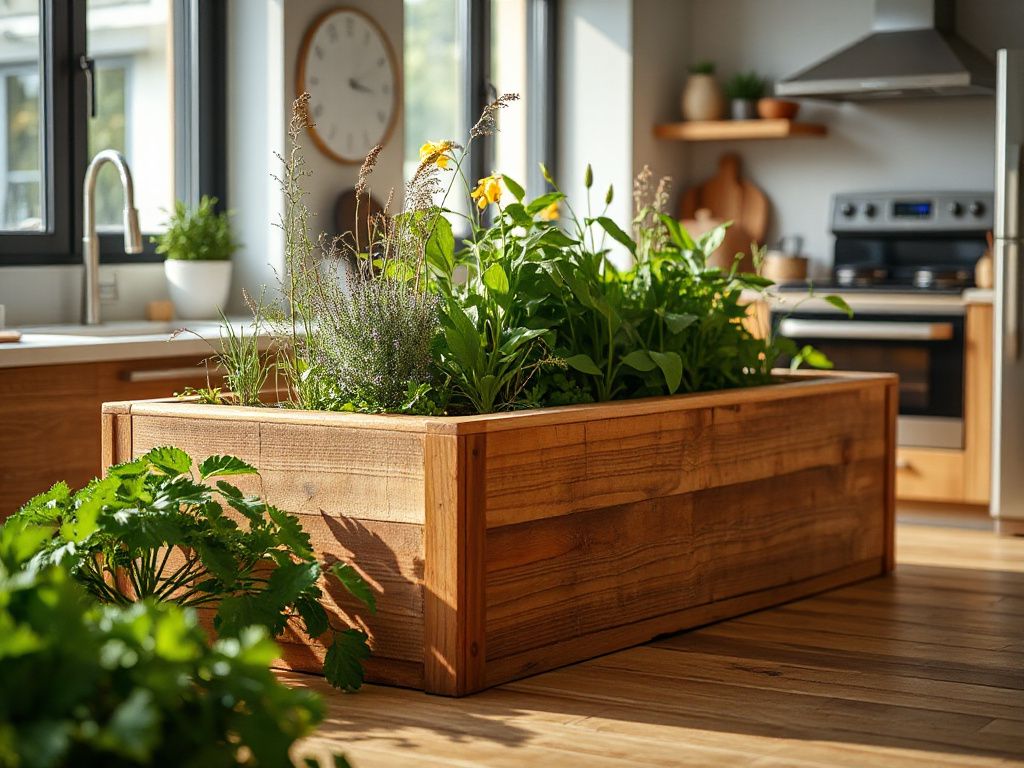
Depth isn’t just about root space. It changes how water moves through the soil, how quickly the bed warms in spring, and how often you have to stand there with a hose. A 6-inch bed and a 12-inch bed are two different microclimates.
Water Retention: Shallow Beds Dry Out Fast
A shallow raised bed has less soil volume, which means less water-holding capacity. On a hot summer day, a 6-inch bed of leafy greens may need watering every single day, while a 12-inch bed of the same plants can go two or three days between waterings. The deeper soil acts like a sponge, releasing moisture slowly to roots. If you’re building a shallow bed, plan for drip irrigation or be ready to water morning and evening during heat waves.
On the flip side, a very deep bed (over 18 inches) can stay too wet at the bottom if the drainage isn’t perfect. That leads to anaerobic conditions and root rot. The sweet spot for most annual vegetables is 10 to 12 inches of soil over a well-drained base.
Soil Temperature: Depth Delays Spring Warm-Up
Raised beds warm up faster than in-ground soil in spring because they’re exposed to sun on the sides. But a deeper bed warms more slowly than a shallow one because the lower soil layers stay cooler longer. A 6-inch bed might be ready for early spinach and radish planting two weeks earlier than a 18-inch bed in the same location. For heat-loving crops like tomatoes and basil, that slower warm-up can actually be beneficial later in the season, as deeper soil holds warmth into the early evening after a cool night. Oregon State University Extension notes that raised beds typically warm 8 to 12 degrees Fahrenheit warmer than surrounding soil in early spring, but that advantage shrinks as depth increases.
If you want to extend your growing season, build shallower beds for early spring crops and deeper beds for summer fruiting crops. Or build one bed at 12 inches as a compromise.
Soil Volume and the Budget Reality
Doubling the depth of a raised bed from 6 to 12 inches doubles the amount of soil you need to fill it. A 4×8 foot bed at 6 inches deep holds about 16 cubic feet of soil (roughly 0.6 cubic yards). The same bed at 12 inches holds 32 cubic feet. That’s twice the bags of soil, twice the compost, and twice the cost. For a 24-inch deep bed, you’re looking at 64 cubic feet — a significant investment in both money and labor.
This is why most home gardeners settle on 10 to 12 inches for a standard vegetable bed. It provides enough depth for almost every annual crop, keeps soil costs reasonable, and doesn’t require a structural engineering degree to keep the sides from bowing outward. Before you build, decide what you want to grow and calculate the soil volume so you don’t end up with a half-empty frame and an empty wallet.
Choosing the Right Frame Depth for Your Bed’s Material and Longevity
The material you build with doesn’t change the minimum depth plants need, but it does change how well the frame holds up under the weight of wet soil. Deeper beds hold more soil, which means more pressure pushing outward on the sides. A flimsy frame will bow, crack, or collapse.
Wood: Cedar, Untreated Pine, and Rot at the Soil Line
Western Red Cedar is the gold standard for raised beds because it resists rot naturally and can last 10 to 15 years in contact with soil. Untreated pine, by contrast, typically rots at the soil line within 3 to 5 years, especially in humid climates. The constant moisture at the point where wood meets soil accelerates decay, and deeper beds mean more moisture held against the frame for longer periods. If you’re building a 12-inch or deeper bed out of pine, consider lining the interior with plastic sheeting (not the bottom) to slow rot, or accept that you’ll rebuild the frame every few years.
Pressure-treated wood is a common low-cost alternative, but modern treatments use copper compounds that are considered safe for vegetable beds according to the EPA, though many gardeners prefer to avoid any chemical leaching entirely. If you want to skip pressure-treated wood, check out whether plastic raised garden beds are a safe alternative — they don’t rot at all, but they also don’t breathe like wood and can overheat in full sun.
Metal: Galvanized Steel and Corten Steel
Galvanized steel and Corten steel raised beds have become popular for their sleek, modern look and long lifespan. Corten steel (the rusted-looking weathered steel) forms a protective patina that prevents further corrosion, while galvanized steel has a zinc coating that resists rust. Both can last 20 years or more. However, metal conducts heat far more efficiently than wood, so a metal raised bed in full sun can heat the soil 5 to 10 degrees hotter than a wooden bed of the same depth. That can stress cool-season crops in summer and accelerate moisture loss.
If you go with metal, build the bed at least 12 inches deep even for shallow-rooted plants. The extra soil depth buffers the soil temperature, keeping the root zone cooler than it would be in a 6-inch metal tray. Also consider painting the exterior a light color to reflect some sun. Metal beds don’t bow or rot, but they do need proper drainage because the solid sides prevent any lateral water movement.
If you’re not sure what design suits your space, our complete guide to raised garden bed plans walks through simple 4×8 cedar builds and more advanced tiered designs with proper bracing.
Frequently Asked Questions
So, how deep should a raised garden bed be in general?
For most annual vegetables, a soil depth of 10 to 12 inches is the practical sweet spot. That supports leafy greens, herbs, root crops like carrots and beets, and fruiting vegetables like tomatoes and peppers, while keeping soil costs and watering manageable. Adjust up to 18–24 inches for perennials like asparagus, and down to 6–8 inches only if you’re growing exclusively shallow-rooted greens over open native soil.
How deep should a raised bed be for tomatoes?
Tomatoes need at least 12 inches of soil in a raised bed, and 18 inches is better for indeterminate varieties that keep growing and fruiting all season. If the bed sits on concrete or has a drainage layer at the bottom, build the frame 15 to 18 inches tall so the actual soil depth stays above 12 inches after subtracting gravel.
What’s the minimum depth for carrots and other root vegetables?
Carrots, parsnips, and beets need 10 to 12 inches of loose, rock-free soil to grow straight without forking. Short round carrot varieties like Paris Market can manage in 8 inches, but standard carrots like Nantes or Imperator need the full 12 inches. Potatoes need 12 inches of hilled soil above the seed piece, so plan for a 15-inch deep bed if you’re hilling.
Can I put a raised bed on concrete if I want to grow deep-rooted plants?
Yes, but you must provide the full root depth inside the frame because concrete blocks downward root growth. For tomatoes or perennials, build the frame at least 18 to 24 inches tall, add a 2- to 3-inch gravel drainage layer and landscape fabric, and then fill the remaining space with quality soil. Without that drainage layer, water will pool and rot the roots.
Is there a downside to making a raised bed too deep?
Deeper beds cost more in soil, weigh more, and can retain too much moisture at the bottom if drainage is poor, leading to anaerobic conditions and root rot. A bed over 24 inches deep is overkill for almost all vegetables and makes harvesting and weeding harder on your back. Unless you’re planting dwarf fruit trees, 12 to 18 inches is the practical maximum for annual crops.
How does raised bed depth affect soil temperature in spring?
A deeper bed warms up more slowly in spring because the lower soil layers stay cool longer than a shallow bed. A 6-inch bed may be ready for early spinach two weeks earlier than an 18-inch bed. But deeper soil holds warmth later into the evening and can protect roots from early fall frosts. For cold-hardy crops, shallower is fine; for heat-lovers, deeper is a slight advantage.
