

Glass hurricane vases have quietly shifted from wedding reception rentals to permanent fixtures in everyday homes. What was once an event-only decor piece now sits on fireplace mantels, dining tables, and bathroom shelves across the country. Getting the right pillar candles for hurricane vases depends on three measurements, not just the one you can see from across the room.
I’ve spent years styling pillar candles in hurricane vases, and the single most overlooked factor is the ratio of candle height to vase depth. Most people assume any pillar fits as long as it goes in, but the flame’s oxygen supply depends on how far the candle sits inside the vase—if it’s recessed too deep, you get soot and tunneling. I always recommend placing the candle so its top sits just below the vase rim, with at least an inch of space around it, and I test the diameter with a simple tape measure before lighting.
Key Takeaways
- Leave at least 1 inch of clearance between the candle sides and the vase wall to prevent glass cracking from thermal stress.
- Position the candle top just below the vase rim—not recessed deeply—so the flame gets proper oxygen and burns without heavy soot.
- Always place a non-flammable plate or holder under the hurricane vase, especially on wooden or painted surfaces.
- Trim the wick to 1/4 inch before every lighting to keep the flame at a controlled height and reduce carbon buildup on the glass.
How Hurricane Vases Change the Way a Pillar Candle Burns
A hurricane vase is not just a decorative sleeve. It actively changes the burn environment of whatever candle sits inside it. When you light a pillar in open air, the flame pulls cool air from all sides and releases heat upward without restriction. Inside a glass cylinder, that airflow gets restricted, which changes burn temperature, wax melt rate, and soot production.
The National Candle Association explains that candle burn performance varies with container shape and airflow. Narrower vessels trap more heat around the flame. Vessels with a closed bottom and straight sides create a chimney effect that draws air upward past the flame, which can actually stabilize it—but only if the candle sits high enough inside the vase.
The Oxygen Factor
Here is what I learned the hard way during my first year styling these pieces. A pillar candle recessed three or four inches below the rim of a hurricane vase struggles to get fresh oxygen to the flame. The flame burns cooler and less efficiently. You get visible soot deposits on the inside of the glass, uneven wax pooling on top of the candle, and a tunneling effect where the outer wax ring never melts.
A hurricane vase reduces airflow around the flame, which changes burn temperature, wax melt rate, and soot production compared to an open-air pillar. That single sentence explains most of the problems people email me about. If your candle sits too deep, fix the height before you blame the wax.
Wax Type and Candle Size
Can you use any pillar in a hurricane vase? Technically yes. Realistically, some perform far better than others. Soy wax burns cooler and softer than paraffin, which means it pools faster and can collapse outward if the vase interior gets warm. Beeswax burns the coolest of all three and holds its shape well. Paraffin wax burns hottest, which gives you a stronger scent throw but also raises the temperature inside the glass—something to respect with fragile vases. If you’re weighing whether soy is the right material for your setup, our guide on whether soy candles are safe for indoor use goes deeper into wax behavior.
Size also matters for heat. A 3×3-inch pillar produces noticeably less heat than a 4×6-inch pillar. In a narrow hurricane vase, the larger candle can push the internal temperature high enough to make the exterior glass uncomfortable to touch. If you plan to place the vase on a painted shelf or a wooden side table, that heat transfer is worth planning for.
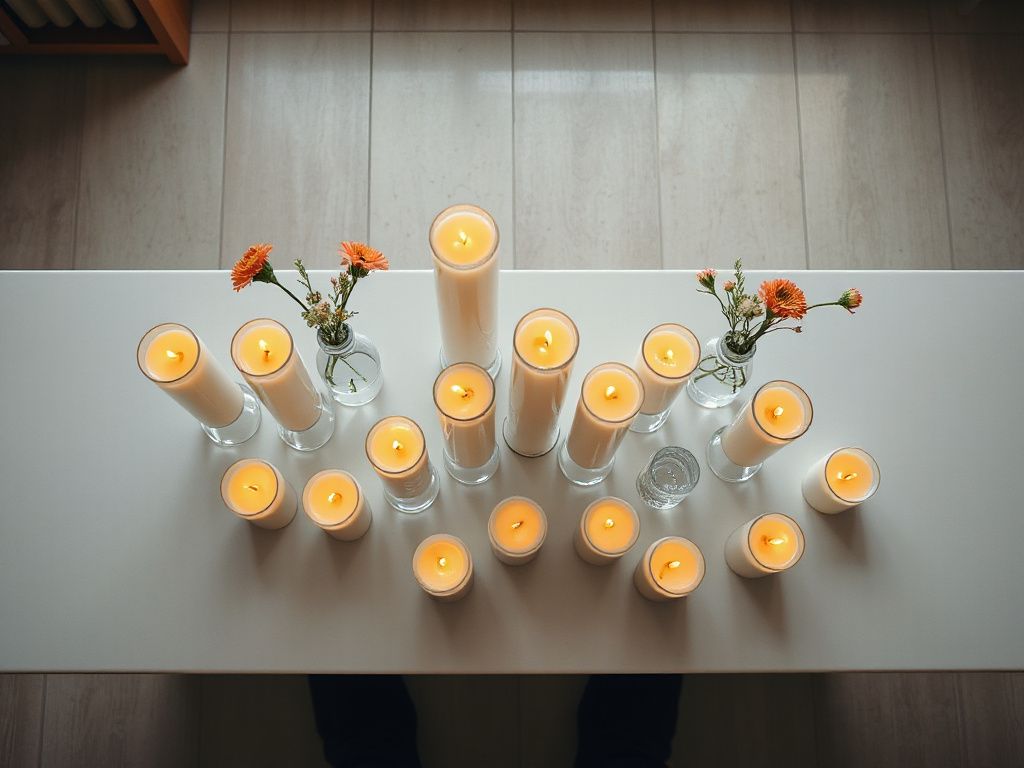
Measuring and Sizing Pillar Candles for Hurricane Vases
Most people buy the vase first, then guess at the candle. That order is backwards. The vase sets every constraint: interior diameter, interior depth, and the width of the opening at the top. Once you have those three numbers, choosing the right pillar becomes a matching exercise instead of a gamble.
Step 1: Measure the Interior Diameter
The interior diameter is the distance across the inside of the vase at its widest point. For most hurricane vases, this sits somewhere between 4 and 8 inches. Wrap a fabric measuring tape around the outside, subtract roughly 1/4 inch for glass thickness, and you have a working interior number. If you have a caliper, even better—measure directly across the mouth.
A pillar candle with a 3-inch diameter needs a hurricane vase opening of at least 5 inches to maintain the one-inch clearance on each side. That is the rule I apply on every single setup: candle diameter plus two inches of empty space. A 3-inch pillar wants a 5-inch vase. A 4-inch pillar wants a 6-inch vase. I measure the opening before I buy the candle, every time.
Step 2: Confirm the Depth-to-Candle Ratio
The vase’s interior depth, measured from the rim to the interior floor, determines how tall your candle can be. The ideal position puts the top of the candle just below the rim—roughly a half-inch to one inch below the top edge. That placement gives the flame enough oxygen while still looking intentional.
If your vase measures 10 inches deep and your candle is only 3 inches tall, the candle will sit far too low. You then need a riser—a stack of river rocks, a ceramic cup turned upside down, a wood block, or purpose-made candle risers sold at craft stores. Raising the candle brings the flame up into the open air while keeping the glass’s protective shell intact. For taller vases that need bigger wax to fill the space, large soy pillar candles can remove the need for risers altogether.
Step 3: Match the Base Plate
Every hurricane vase on a wooden table needs something under it. A candle plate—a shallow ceramic, metal, or stone disc slightly wider than the vase base—serves two jobs. It catches wax drips that miss the vase interior, and it blocks heat transfer from the glass floor of the vase to the furniture underneath.
Choose a plate with a lip. Flat plates let liquid wax run straight off the edge. A plate with a raised rim contains a spill, which matters when a candle burns unevenly and wax overflows during a long burn.
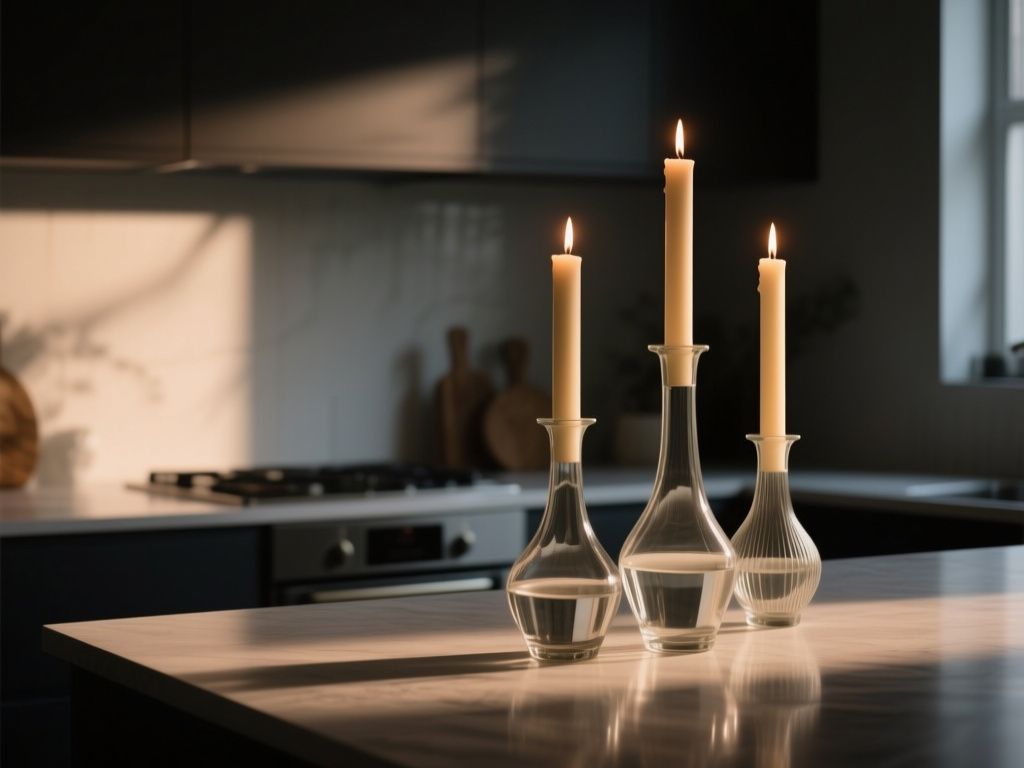
Styling Pillar Candles in a Hurricane Vase for Real Rooms
Once the sizing is handled, styling is where a hurricane candle setup actually earns its place in a room. The vase is not just a protective sleeve; it becomes visual punctuation. A single pillar inside a tall glass reads as a formal statement piece. A trio of shorter vases with staggered candle heights reads as relaxed and layered.
Groupings That Work
Odd numbers almost always look better than even ones in candle styling. Three hurricane vases of different heights—one 8-inch, one 10-inch, one 12-inch—clustered on a console table create rhythm without looking matchy. Alternatively, a single tall vase with a substantial pillar anchors the corner of a bathroom vanity or the center of a round dining table.
Placing a hurricane vase on a wooden side table without a heat-resistant plate underneath risks scorching the finish over repeated burns. I have seen light-colored oak develop a faint yellow ring after three months of nightly pillar burns. The glass itself never gets damaged—the wood does. For outdoor covered porches where wind becomes a factor, a sealed lantern like the Feuerhand hurricane lantern handles drafts more aggressively than open-top vases ever will.
Fillers and Risers Inside the Vase
Raw sand, polished pebbles, glass beads, or faux moss at the bottom of a hurricane vase serve a practical purpose beyond aesthetics. A 1 to 2 inch base layer of fine sand or pebbles lifts a short candle up to the correct height inside a tall vase. It also catches dripping wax before that wax hits the vase floor, which makes cleanup dramatically easier.
Keep filler material dry. Trapped moisture under a lit candle heats into steam, and steam trapped inside a confined vase can crack thin glass from the inside. Borosilicate glass, the same material used in laboratory glassware and some higher-end candle vessels, resists thermal shock far better than standard soda-lime glass. If you plan to use a hurricane vase near a heat source like a fireplace hearth, borosilicate is worth seeking out.
Wick Trimming and Flame Height
Trim every wick to 1/4 inch before each lighting. This is non-negotiable inside a hurricane vase. A long wick produces a tall flame that licks upward, deposits soot on the glass sides, and raises the internal temperature of the vessel. Trimming to a quarter inch keeps the flame compact and predictable.
The Consumer Product Safety Commission reports that candle fires peak during the winter holiday months, and unattended candles remain one of the leading causes of home candle fires. A hurricane vase does not make a candle fireproof. It reduces lateral drafts, but the open top still allows a flame to reach anything hanging above it.
Troubleshooting Soot, Cracks, and Cleanup
Every hurricane candle setup eventually hits three problems: soot on the glass, wax residue in the bottom, and the occasional cracked vessel. Each one has a definite cause and a fix that takes less time than you think.
Why the Glass Cracks During a Burn
Candles crack hurricane vases for one primary reason: uneven heating. Glass fractures from candles happen when one part of the vase heats faster than another, creating thermal stress that exceeds what the glass can handle. A candle positioned against one wall heats that wall while the opposite side stays cool. The temperature difference creates internal tension, and the glass gives out at a weak point.
Narrow-necked vases compound this. If the opening at the top is tighter than the body below, heat builds up inside and has nowhere to escape quickly. The neck area heats faster than the base. For narrow-neck vessels, choose a shorter pillar candle that does not extend above the widest point of the vase body. A candle sitting lower inside the wide section of the vessel does less thermal damage than one perched at the neck.
Cleaning Melted Wax from the Inside
The easiest way to remove wax from a hurricane vase is a two-stage process. First, place the empty vase in the freezer for 20 to 30 minutes. Cold wax shrinks and pulls away from the glass. Once the wax is brittle, tap the bottom of the vase gently against a folded towel, and the wax slab usually pops out in one piece. For thin residue, warm water and a soft sponge handle the rest.
Never pour boiling water directly into a cold glass vase. The sudden temperature shift can crack the vessel—the same thermal shock mechanism that cracks vases during candle burns. If you need heat to soften wax, run the vase under warm tap water gradually, increasing the temperature over several minutes.
Soot Buildup on the Glass
Soot appears on the inside of a hurricane vase when the flame burns inefficiently. Three causes trigger this: a wick longer than 1/4 inch, a candle recessed too deeply inside the vase, or a draft that flickers the flame sideways. Fix the wick first, then check the candle height. A candle whose top sits more than an inch below the rim is starving for air, and the soot ring on the glass is the symptom.
Clean soot off with a dry paper towel first, then a damp cloth with a drop of dish soap. Abrasive scrubbers leave micro-scratches on the glass that attract future soot deposits faster. I learned that the messy way—one ruined vase from using a scouring pad.
Extinguishing the Flame Safely
Blowing out a candle inside a hurricane vase sends wax splatter up the glass walls and can push hot embers onto the rim. A candle snuffer solves this. Lower the snuffer bell over the flame and hold it there for two seconds after the flame disappears. This cuts off oxygen without blowing wax around. Alternatively, use the bend-and-dip method: push the wick into the melted wax pool with a metal tool, let it extinguish, then straighten it back up. Both methods keep the glass clean and the flame fully out.
Frequently Asked Questions
How do I measure my hurricane vase to choose the right pillar candle for it?
Measure the interior diameter at the widest point with a fabric tape or caliper, then subtract two inches from that number—that is your maximum candle diameter. For depth, measure from the rim to the interior floor. Your candle top should sit no more than one inch below the rim, so multiply the candle’s height and compare it to the vase depth. If the candle falls short, add a riser underneath. This two-number check prevents both cracking and soot buildup in pillar candles for hurricane vases.
Will a pillar candle burn longer inside a hurricane vase than in open air?
A pillar candle burns slightly longer inside a hurricane vase because the glass reduces drafts that cause flickering and uneven wax consumption. The flame burns more steadily, which slows the melt rate. But the difference is modest—roughly 5 to 15 percent longer for a standard 3×6 pillar. The bigger benefit is a cleaner burn. Less draft means less soot, less wax runoff, and a taller, steadier flame profile over the life of the candle.
Why does soot build up inside my hurricane vase even when I trim the wick?
If the wick is trimmed to 1/4 inch and soot still appears, the candle is sitting too deep inside the vase. A deeply recessed candle starves the flame of oxygen, producing incomplete combustion and carbon deposits on the glass. Raise the candle so its top sits within one inch of the rim. Also check for drafts from ceiling fans or air vents, which push the flame sideways against the glass and create soot trails on one side of the vase.
