

Last spring, I placed a tall soy wax cylinder glass candle on my balcony railing, trying to extend our dinner ambience into the evening chill. The wick smoked, the melt pool barely reached the edges, and the glass stayed dangerously cooler than I expected. That’s when I started thinking of a cylinder glass candle as a heat-transfer system: the glass acts as both a container and a heat boundary. The straight sides and flat bottom create a specific melt pool geometry that differs from tumblers or tapers, and that affects everything from wick selection to burn time. A beginner might treat all container candles the same, but the cylinder’s narrow profile requires a different approach to wick sizing and the first burn.
Key Takeaways
- The first burn must last until the entire top surface liquefies—otherwise tunneling is inevitable.
- A straight-sided glass cylinder acts as a heat boundary that demands a larger wick or longer burn time than a tapered jar.
- Never burn a cylinder candle to the absolute bottom; the residual heat can shatter even thick soda-lime glass.
What a Cylinder Glass Candle Actually Is—and How It Differs
The Glass That Contains the Flame
Every cylinder glass candle owes its character to two types of glass. Most are made from soda-lime glass—the same material as window panes and drinking glasses. It is clear, inexpensive, and strong enough to handle gradual temperature changes. However, soda-lime glass does not like sudden shocks. A cold spray of water on a hot jar can cause fractures, and that is why the National Candle Association’s fire safety guidelines stress steady environments. A rarer alternative is borosilicate glass, known for resisting thermal stress. It appears in some high-end apothecary-style candles but costs significantly more. A cylinder glass candle with straight walls distributes heat more evenly than a fluted jar, yet the bottom center remains the most vulnerable to heat concentration. This is a straightforward physical reality—the flat base collects the hottest wax right above a thin glass disc.
Many cylinder glass candles follow the apothecary jar profile: a tall, straight-sided vessel with a fitted lid. Yankee Candle built its brand on this shape. The lid functions solely for dust prevention, not for extinguishing. When you notice a soot ring inside the top, it is often a sign someone used the lid to snuff the flame—a common error we will cover later.
Wax and Wick: The Fuel and Delivery System
The wax inside a cylinder glass candle matters as much as the glass itself. Paraffin wax burns hot and holds fragrance well, but it can produce visible soot if the wick is not carefully matched. Soy wax burns cooler and cleaner, though its scent throw in large open spaces can feel weaker. Beeswax and coconut-blend waxes sit somewhere in between. All commercial candles in the United States must use a lead-free wick; that requirement has been in place since 2003. Cotton cored wicks remain the default for most straight-sided vessels. Wooden wicks are gaining popularity for wide cylinders because they create a broader melt pool and deliver a soft crackle, but they require a larger flame diameter to work correctly. A cylinder glass candle taller than 4 inches with a diameter over 3 inches frequently struggles with a standard small-core wick. Manufacturers size up to a thicker braid or a wooden wick specifically to push heat outward and prevent that frustrating tunnel down the center.
Mastering the Burn: The First Light Dictates Everything
The Vital First Burn
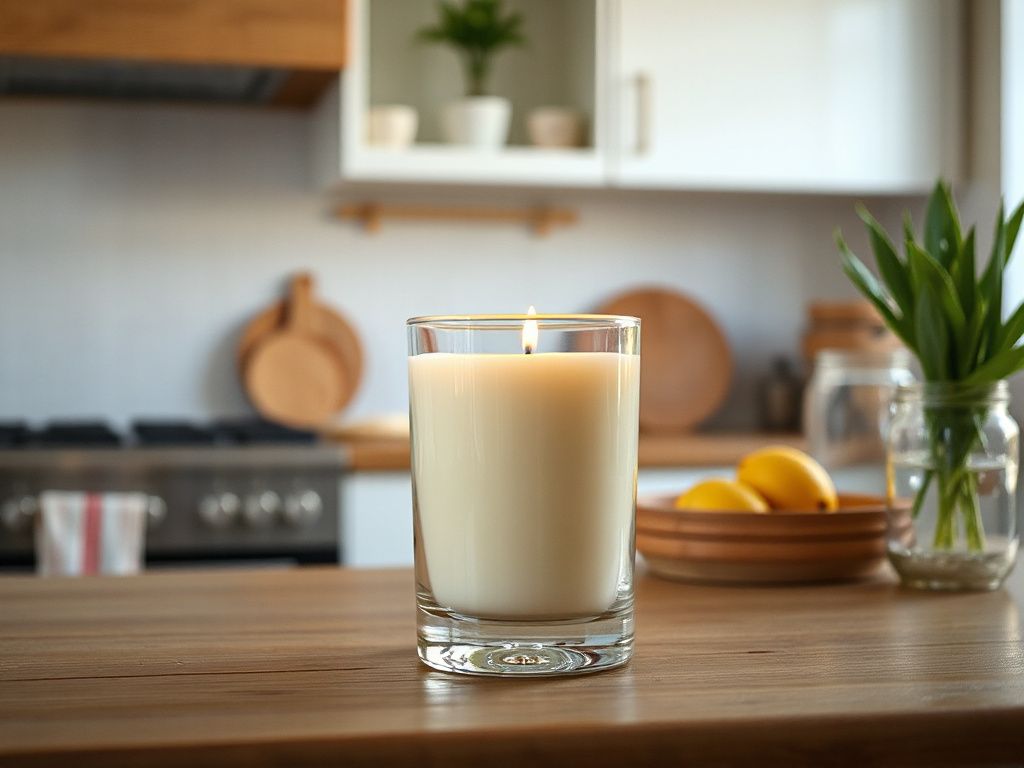
A candle tunneling down the middle and leaving wax on the sides is almost always the result of a rushed first burn. A cylinder glass candle has no sloping walls to help concentrate heat. It demands patience. The rule I use on my balcony and indoors is dead simple: burn one hour for every inch of the container’s diameter. A 3-inch-wide cylinder needs at least three hours on its initial lighting. That entire time, you want the melt pool to reach the glass edge so the wax memory resets. The wax has a thermal memory; if you stop before the full surface becomes liquid, the candle will repeatedly burn in that same narrow crater, wasting up to 40 percent of the wax.
Wick Trimming and Relighting
Before every light, trim the wick to ¼ inch. That measurement is not arbitrary. A longer wick produces a taller, flickering flame that generates soot and overheats the glass rim. A too-short wick can drown in the melt pool and self-extinguish. Use a dedicated wick trimmer, not scissors—it reaches into the vessel cleanly and captures the trimmed tip so it does not fall into the wax. Relighting a partially burned cylinder glass candle requires the same patience as the first burn. Let the pool reconstitute itself fully to the edge each time. If you only have 20 minutes, do not light it at all. Better to wait than to train the wax to tunnel.
How Long Should You Let It Burn?
Even after the first burn, I limit cylinder glass candles to 3 to 4 hours per session. Beyond that, the glass container temperature can climb past safe limits. The ASTM F2417 Standard Specification for Fire Safety for Candles sets performance thresholds for end-of-life behavior, but overheating during normal use comes down to user habit. If the glass is too hot to touch comfortably, extinguish the candle and let it cool completely. This is especially critical outdoors on a hot summer evening, where ambient temperature compounds the heat from the flame.
Staying Safe: When Glass Becomes a Fire Hazard
Why Glass Can Crack
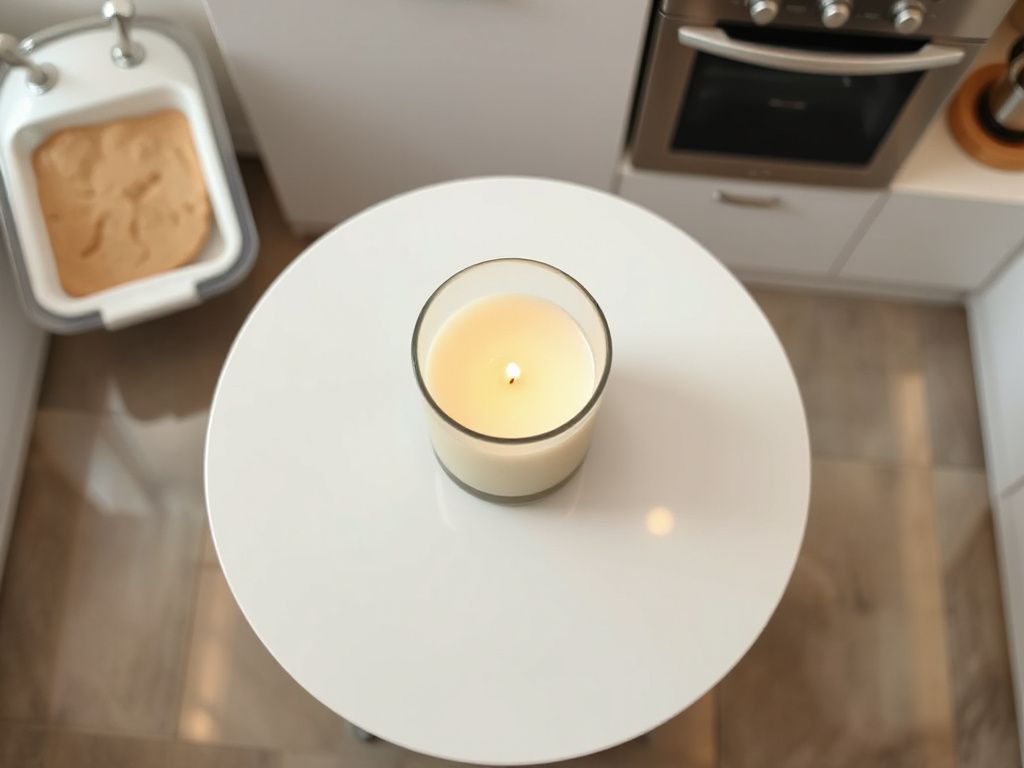
A cylinder glass candle never should be burned all the way to the bottom. When less than ½ inch of wax remains, the flame’s heat transfers directly to the glass base with no insulating wax layer. The thermal stress can fracture even thick soda-lime glass. I once ignored that rule on a windless night and found a hairline crack radiating from the center the next morning. Water is another enemy. If condensation drips into hot wax—common when bringing a candle from a chilly balcony indoors—the instant steam can spatter and create a rapid temperature differential that shatters the container. A simple self-contained truth: a cylinder glass candle’s uniform wall thickness dissipates heat more predictably than a scalloped jar, yet its flat bottom still concentrates intense heat at one narrow point.
Soot and Smoke Control
Soot on the inner glass of a cylinder glass candle comes from three main culprits: an untrimmed wick, a drafty spot, or burning too long. The black film is unburned carbon particles. To clean it while the candle is still in use, wipe the cooled glass with a dry paper towel; avoid water near the melt pool. After the candle is finished, you can remove residual soot with a soft cloth and a little rubbing alcohol.
Cleaning and Repurposing the Glass
Once the cylinder glass candle has burned down to that ½-inch safety mark, you can reclaim the vessel. The freezer method works best for soy wax: put the container in the freezer for several hours; the wax contracts and usually pops out in one solid chunk. For stubborn paraffin wax, pour hot (not boiling) water into the jar, let the wax melt and float to the top, then cool and lift the wax disc. Never use boiling water on cold glass. Let the jar come to room temperature gradually to avoid thermal shock. Once clean, many people use these jars as pen holders, propagation vases, or tea light holders. For styling ideas, a set of 3 glass candle holders can show how varied heights create a cohesive tablescape, though a single repurposed cylinder already carries a story.
Can You Use a Candle Warmer?
Yes, a candle warmer lamp is perfectly compatible with a cylinder glass candle. It melts the wax from the top down without an open flame, eliminating soot and fire risk. This is my preferred way to extract the last fragrance from a candle that has reached the safety base. Just ensure the warmer’s plate or bulb size matches the cylinder’s diameter so heat distributes evenly. Because soda-lime glass handles sustained warm temperatures well, a low-wattage warmer rarely causes stress. Still, monitor the first few uses to confirm the glass does not get uncomfortably hot to the touch.
Outdoor Performance: From Sunny Afternoons to Chilly Evenings
Wind and Draft Behavior
My balcony faces east and catches strong morning gusts. A cylinder glass candle left unprotected flickers violently, which disrupts the melt pool and produces soot rings in minutes. The tall straight sides do offer some natural shielding compared to a shallow tin, but the flame can still dance. Placing the candle inside a larger glass hurricane—or even a simple Mason jar with the bottom removed—cuts the wind without blocking oxygen. The result is a steady flame and an even burn. While traditional pillar candles can stand on their own, the cylinder glass format always needs secondary wind protection outdoors.
Temperature Extremes and Condensation
I learned the hard way that direct afternoon sun on a black metal table elevates the surface temperature enough to liquify the entire candle inside the glass, pushing the melt pool far past safe limits. A cylinder glass candle left in direct 90°F sun can reach internal glass temperatures of over 120°F, accelerating scent throw but also frying off volatile fragrance oils too quickly. In cold weather, take care when moving the candle indoors. The rapid change from 40°F to 70°F creates condensation on the outside of the glass, but more critically, moisture can form inside near the melt pool. If that water droplet hits hot liquid wax, it can explode in a small, dangerous pop. Let the candle acclimate for 30 minutes before lighting.
Scent Throw and Headache Considerations
A cylinder glass candle’s tall, narrow opening tends to project fragrance upward in a concentrated column, which can work well in a sheltered corner but struggles to fill a breezy balcony. To boost outdoor scent throw, candles made with a blend of soy and paraffin or those using a wooden wick tend to perform better in open air because they burn a wider melt pool quickly. As for headaches, the culprit is often synthetic fragrance oils or excessive soot. Pure soy wax candles scented only with essential oils are the gentlest on sensitive noses, though they still may trigger reactions if you sit too close. The best cylinder glass candles for headache-prone users rely on cotton wicks, clean-burning waxes, and fragrance loads kept at 6–8 percent. That balance delivers a noticeable scent without overwhelming a small balcony table.
While a simple cylinder focuses attention on the flame, an antique cut glass candle holder scatters light in intricate patterns, appealing to those who value texture—though I still default to the plain cylinder for outdoor durability and easy cleaning. If you’re creating a covered porch retreat, an antique stained glass chandelier hung above adds a vintage warmth that a flickering cylinder candle below complements stunningly.
Frequently Asked Questions
Why does my cylinder glass candle produce soot on the glass?
Soot forms when the flame is too large for the vessel or the wick is not trimmed to ¼ inch. A drafty location also disturbs the flame, causing incomplete combustion. Extinguish the candle, let the glass cool, clean the soot with a dry cloth, trim the wick, and move it to a draft-free spot.
How do I safely remove leftover wax from a cylinder glass container?
Place the jar in the freezer for several hours; the wax contracts and loosens. Gently pry it out with a butter knife. For residual wax, pour hot tap water into the room-temperature jar, wait for wax to melt and float, then cool and remove the disc. Avoid boiling water to prevent thermal shock.
Can I burn a cylinder glass candle outdoors on a breezy balcony?
Yes, but always place it inside a larger hurricane or wind-shielding container. Without protection, the flame dances, creates soot, and can overheat one side of the glass. A cylinder offers a better wind profile than a shallow tin, yet it still needs secondary shelter to burn safely outdoors.
What happens if I burn the candle all the way to the bottom?
Burning to the absolute bottom exposes the glass base to direct flame heat without any insulating wax. This can cause soda-lime glass to crack or shatter, potentially spilling hot wax and creating a fire hazard. Always stop burning when about ½ inch of wax remains.
Are soy wax cylinder glass candles less likely to cause headaches?
They can be. Pure soy wax burns cleaner than paraffin, producing less soot, and is often paired with natural essential oils rather than synthetic fragrances. However, any strongly scented candle in a small enclosed space can trigger sensitivity; a cotton wick and a 6–8 percent fragrance load help minimize risk.
