

Lately, I’ve watched wicker lounge chairs migrate from sunrooms and porches into city apartments and even studio corners. The trend is obvious once you see it: these chairs add texture without adding visual weight, which is exactly what small spaces need. But there’s a lot of misinformation floating around about what a wicker lounge chair actually is, how long it lasts, and whether you can leave one outside without turning it into a pile of splinters. I’ve spent years in furniture restoration and upholstery, and I know that most owners mistake a wicker lounge chair’s weave for its strength. The real indicator of long-term durability is the frame underneath, not the visible rattan or resin. I also check for the manufacturer’s intended indoor/outdoor rating, because a natural wicker chair left in direct sun will lose its flex in under a year, while a synthetic one will just fade—but the frame rusting is the thing beginners ignore.
Key Takeaways
- Wicker describes a weaving technique, not a material—your chair could be natural rattan or synthetic HDPE resin, and the difference changes everything about care and longevity.
- The frame underneath the weave determines whether a wicker lounge chair sags, rusts, or creaks. Powder-coated aluminum is the gold standard for outdoor use.
- UV exposure is the number one destroyer of wicker. Natural rattan becomes brittle and cracks, while synthetic resin chalks and fades—both need shade or protective treatment.
What Exactly Is a Wicker Lounge Chair?
Most people use the word “wicker” as if it’s a type of wood. That’s the first misunderstanding to clear up. Wicker is the process of weaving flexible fibers—any fibers—into a rigid shape. Rattan, on the other hand, is a specific material: the stem of a climbing palm, Calamus rotang, which grows in Southeast Asia and has been used for furniture for centuries. So a wicker lounge chair can be made from genuine rattan, from bamboo, from willow, or from synthetic resin strands. Calling a chair “wicker” tells you how it was built, not what it’s built from. This distinction matters because the three most common materials—natural rattan, resin wicker over aluminum, and resin wicker over steel—have completely different lifespans and care requirements.
When I’m helping a friend pick out a piece, I always start by asking where the chair will live. An indoor sunroom is a different environment than a covered porch, and a balcony with afternoon sun is another animal entirely. If you’re still deciding between a wicker chair with ottoman and a standalone lounge chair, the environment question becomes even more important—an ottoman adds extra woven surface that needs the same protection.
Natural Rattan vs. Synthetic Resin: How to Tell Them Apart
The fastest way to identify natural rattan is to look at the weave closely. Natural strands have slight color variation, small knots or ridges, and a matte, almost papery finish. Synthetic resin wicker, usually made from high-density polyethylene (HDPE), looks uniform—every strand is the same width, same gloss level, and the same color all the way through. Bend a strand gently (if you can access the underside). Natural rattan will splinter or feel fibrous when it breaks; synthetic resin will stretch slightly before snapping and the cross-section will look like plastic. Another clue: natural rattan feels cooler to the touch in a temperature-controlled room, while resin stays closer to room temperature.
Rattan palms grow as climbing vines, and the solid core is what makes them so bendable when steamed. That flexibility is why natural rattan can be woven into tight herringbone or twill patterns without cracking during production. But once woven and dried, that same flexibility becomes brittleness over time—especially when moisture cycles through it or UV light hits it. Synthetic resin is the opposite: it’s consistent from the start and degrades mostly through chalky surface oxidation rather than structural failure.
The Frame Is the Real Story
Here’s the part most buyers skip: the weave is decorative and surface-level. The chair’s actual load-bearing structure is the frame inside the weave, and you usually can’t see it without turning the chair upside down. If you flip a wicker lounge chair over, you’ll find one of three materials underneath. A powder-coated aluminum frame is the best case for any chair that might see moisture. The coating meets a military spec—MIL-DTL-53039—which means it’s engineered to resist chipping and corrosion in outdoor conditions. A steel frame is heavier and stronger, but if the powder coating scratches, rust will start and then spread underneath the weave where you can’t see it. A wood frame (often kiln-dried hardwood like mahogany) is fine indoors but a terrible idea in humid climates; the wood will rot long before the resin weave shows any problem. I once restored a chair that looked perfect from the top side—the resin weave was barely faded—but the steel frame underneath had rusted through at the leg joints. The owner never noticed because the weave hid the corrosion until the chair collapsed under them.
The manufacturer’s indoor/outdoor rating is on the tag or the product listing, and it matters more than any weave pattern. A natural rattan chair rated for indoor use will crack and split within one summer if you put it on an uncovered deck. A synthetic resin chair rated for outdoor use will still fade over time, but the frame underneath is what determines whether it lasts five years or fifteen. Beginners ignore the frame; experienced buyers look there first.

Why Do Wicker Lounge Chairs Creak, Fade, or Sag?
Every wicker lounge chair will eventually make noise or show wear. That’s not a defect; it’s physics. The difference between a chair that lasts a decade and one that fails in three years comes down to understanding the three failure modes: joint movement, UV degradation, and overloaded seating. Let’s break each one down because they need different fixes.
The Creak Is Usually the Joints, Not the Weave
When you sit down and hear a creak, your first instinct might be to blame the wicker strands rubbing together. In my experience, ninety percent of the time the sound comes from the frame joints underneath—the screws, dowels, or welds connecting the seat rails to the legs. Over time, wood swells and shrinks with humidity changes, loosening screw holes. Steel frames flex slightly under load, and the connection points start to rub. The weave itself rarely creaks because each strand is under constant tension from its neighbors; if it did move enough to creak, you’d see visible gaps.
To confirm, have someone else sit in the chair while you put your ear near the armrest joint. If the creak comes from there, the fix is usually simple: tighten any accessible screws, or apply a small amount of furniture glue to wooden dowels. If the joint is welded steel, a creak means the weld has started to crack—stop using the chair immediately and have it re-welded or the frame will fail completely.
UV Degradation: The Silent Killer for Both Types
Sunlight destroys wicker, but it destroys natural and synthetic fibers differently. Natural rattan is cellulose, and UV radiation breaks down the lignin that holds the plant fibers together. The result: strands become brittle, lose their golden color, and eventually split along the length. This happens fast—a natural wicker lounge chair placed in direct afternoon sun on a south-facing window can show cracking within six to eight months. The damage is irreversible; you can’t re-moisturize dead fibers.
Synthetic resin wicker is typically HDPE with UV stabilizers added during extrusion. The stabilizers slow down the oxidation, but they don’t stop it forever. After several years of strong sun exposure, the surface becomes chalky and the color fades unevenly. The chair won’t crack, but it will look shabby. More importantly, the UV also breaks down the plasticizers in the resin over time, making it less flexible—so the weave may start to feel brittle even though it’s plastic. Both types need protection from direct sun: move the chair into shade, use curtains indoors, or apply a UV-blocking spray made for wicker.
The University of Nebraska-Lincoln’s extension service notes that regular cleaning and oiling can extend the life of natural wicker, but no treatment will reverse UV damage once the fibers have lost their flexibility. That’s why placement matters more than any aftercare product.
Weight Capacity and Why It’s Not Always on the Box
You will rarely find a rated weight capacity on a wicker lounge chair. Unlike office chairs or stadium seats, residential wicker furniture is not certified to a specific static load. What you get instead is a general assumption: a well-built lounge chair with a tight weave over a solid hardwood or aluminum frame should hold 250 to 300 pounds without permanent sagging. But that number drops if the frame is thinner gauge steel, if the weave has loosened, or if the chair has been stored in a damp garage. The weave tension and frame gauge determine the real limit, not any sticker.
If you’re heavier than average or plan to nap in the chair daily, look for one with a reinforced seat base—usually visible as extra horizontal webbing strips crisscrossing underneath the seat cushion. A lounge chair tan option is fine, but color doesn’t matter; what matters is whether the underside shows doubled-up webbing or a single layer. Overloading a wicker lounge chair causes the frame rails to bow outward slightly, which then loosens every weave strand at once. That’s why the chair suddenly feels wobbly after a few months even though nothing visibly broke.
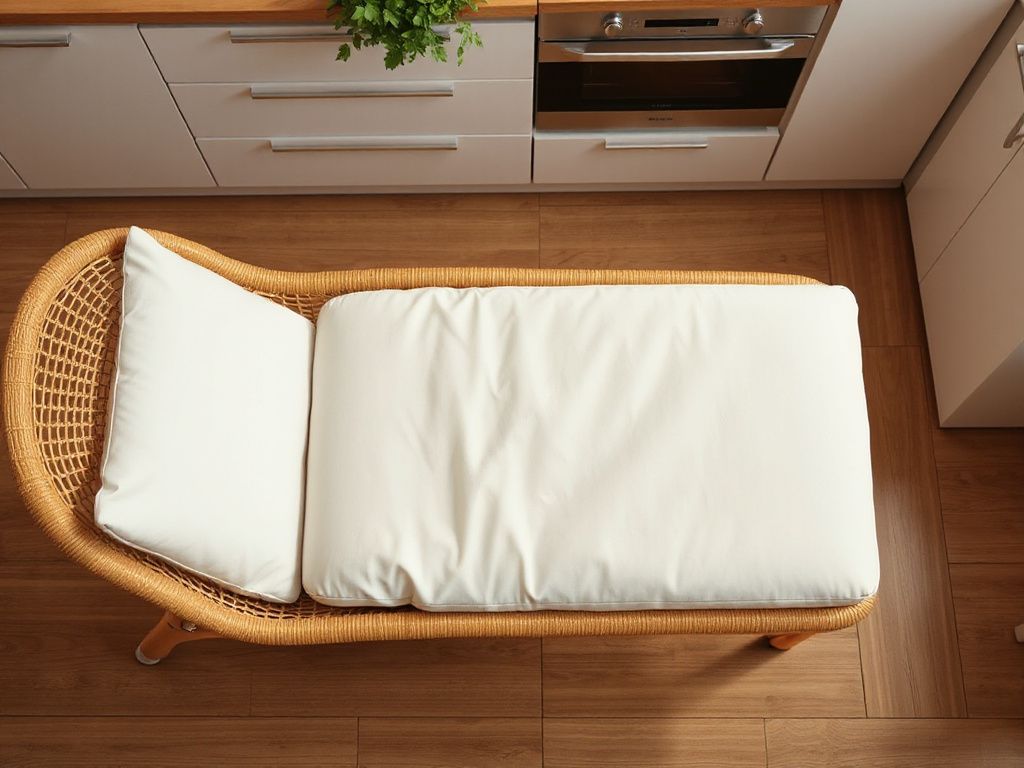
How to Fix Common Problems with a Wicker Lounge Chair
Most wicker lounge chair issues are repairable at home if you catch them early. A broken strand here, a loose joint there—these are maintenance tasks, not reasons to throw the chair away. The only time to call a professional re-weaver is when more than about 15% of the weave has failed in one area, because re-tensioning a large section without a frame jig almost always ends up lopsided.
Cleaning Mildew Without Ruining the Finish
Mildew grows on wicker when the chair stays damp for more than a day or two. Natural rattan absorbs moisture quickly and becomes a food source for mold; synthetic resin doesn’t absorb water but can trap it in the weave gaps where dirt and pollen provide organic material. To clean mildew safely:
Mix one part white vinegar with three parts warm water. Dip a soft-bristle brush (an old toothbrush works for tight weaves), scrub the affected area gently, then wipe with a damp cloth. For stubborn mildew on natural rattan, add a few drops of mild dish soap to the mixture—never use bleach, as it will break down the plant fibers and remove the natural color. For synthetic resin, you can use a dilute bleach solution (one tablespoon per gallon), but rinse thoroughly and dry in the sun. After cleaning, let the chair dry completely for at least 24 hours before sitting on it.
If mildew has penetrated deep into natural rattan strands, you may need to sand the surface lightly with 220-grit sandpaper after cleaning, then apply a thin coat of paste wax or furniture oil. Linseed oil is traditional, but it can darken the rattan over time—test on an inconspicuous spot first.
Re-Weaving a Broken Strand
A single broken strand on the seat or back is not a catastrophe. The key is to re-weave using the same material type—don’t patch natural rattan with synthetic resin or vice versa, because they expand and contract at different rates and the patch will slip out. For natural rattan, you can buy replacement rattan reed or cane webbing online or from a basket supply store. For synthetic resin, contact the manufacturer or look for a generic HDPE spline of matching diameter.
Here’s the basic process: cut the new strand about six inches longer than the gap. Soak natural rattan in warm water for 30 minutes to make it pliable. Thread the new strand under and over the existing weave following the original pattern—usually a simple over-one-under-one. Use a wicker furniture repair clamp to hold tension on the new strand while you weave, because a loose patch will look like a bulge and will sag immediately. When you reach the end of the repair, tuck the loose ends under adjacent strands and secure with a tiny drop of super glue or wood glue (for natural rattan). Let dry for 24 hours before use.
If the broken strand is part of the structural seat webbing rather than the decorative top weave, you need to replace the entire webbing strip. Traditional wicker lounge chairs often have a base of jute or cotton webbing underneath the visible weave. When that webbing stretches out, the seat sags even though the top looks fine. Re-webbing a seat requires removing the top layer, replacing the webbing strips, and reattaching everything—that’s a full afternoon project and worth it only if the chair has sentimental or high value.
Tightening Loose Weave and Joints
A chair that feels “soft” when you sit down but has no visible breaks usually has loosened weave tension. You can’t re-tension an entire woven seat without re-doing it, but you can tighten specific loose strands. Dampen a clean rag with warm water, wrap it around the loose strand, and apply gentle pressure while the strand dries—natural rattan will shrink slightly as it dries. For synthetic resin, heat is the answer: use a hair dryer on low heat to warm the strand until it’s slightly flexible, then push it back into place and hold for a minute while it cools. Don’t overheat or the resin will melt and discolor.
Joint creaks from wooden dowels can be fixed by injecting a small amount of wood glue into the joint with a syringe, then clamping or weighing the chair down for overnight. If the chair has visible screws, remove them one at a time, add a drop of thread-locking compound, and re-tighten. For steel frames with surface rust, sand the rust off with fine sandpaper, apply a rust converter, then touch up with matching spray paint—but remember that rust inside a hollow tube is already spreading and you may be buying only a year or two more.
Preventive Care for Long-Term Beauty
You don’t need a chemistry degree to keep a wicker lounge chair looking good for a decade. You need three habits: control the light, control the moisture, and support the seat properly. Let’s go through each one.
Indoor vs. Outdoor: Sealing and Placement
For indoor natural wicker, the biggest threat is dry air from heating systems combined with UV from windows. Dry air makes rattan shrink, which loosens the weave; UV from a south-facing window will crack it just like outdoor sun. Place a natural wicker lounge chair at least three feet away from heating vents and direct window light. If that’s impossible, apply a thin coat of furniture paste wax every six months to slow moisture loss. Do not use polyurethane or varnish—these create a hard shell that cracks when the rattan flexes, and then moisture gets trapped underneath and causes rot.
For outdoor synthetic resin wicker, the chair itself is relatively forgiving, but the frame underneath needs a cover. A breathable furniture cover that allows air circulation will keep moisture from condensing on steel joints. If your chair has a powder-coated aluminum frame, you can leave it uncovered in rain, but the UV will still fade the resin over time. The best outdoor spot is a covered porch or under an awning with morning sun only. If you want a contrasting piece for indoors, a white velvet chair offers a completely different texture profile, but wicker’s weather resistance can’t be matched by upholstered pieces.
The Right Cushions and Support
A wicker lounge chair’s seat is designed to hold a cushion, not to be sat on directly for long periods. The weave itself has some give, but repeated pressure without a cushion will eventually break down the strands—especially along the front edge where your thighs press down. Use a cushion at least two inches thick made from high-density foam. If you’re pairing the chair with an ottoman for napping, make sure the ottoman has a similar cushion density so your legs don’t sink unevenly.
Outdoor cushions should be made from UV-resistant fabric like Sunbrella or a similar solution-dyed acrylic. Regular indoor fabric will fade and grow mildew within one season. And always remove cushions when not in use—a cushion left on a wicker chair during a rainstorm creates a damp microclimate between the fabric and the weave, which is perfect for mildew growth on the chair itself.
When to Call a Professional Re-Weaver
If more than a quarter of the seat weave has broken strands, or if the chair has a complex pattern like French randing that you can’t replicate from the edges, hire someone who specializes in wicker repair. Professional re-weavers have frame jigs to hold the chair under tension while they remove and replace the entire weave. The cost is usually a few hundred dollars, which makes sense only for antique or high-quality pieces. A mass-produced wicker lounge chair that cost $150 new is not worth re-weaving—it’s more economical to replace it and salvage the frame for a DIY project.
Re-caning services often work on chair seats and backs, but a lounge chair’s large surface area requires a different skill set. Ask specifically for someone who does “wicker re-weaving” not just “chair caning.” And before you hand over the chair, take photos of the original weave pattern from multiple angles—you’d be surprised how often a repair person guesses wrong on a herringbone direction.
Frequently Asked Questions
How much weight can a standard wicker lounge chair hold?
Most residential wicker lounge chairs are not officially weight-rated, but a well-built one with a tight weave over a solid hardwood or aluminum frame will safely support 250–300 pounds. The limiting factors are the gauge of the steel frame and the tension of the weave. If you’re over 250 pounds, look for a chair with visible reinforced webbing under the seat and avoid thin, flexible frames that bow when you sit.
Can a wicker lounge chair be left outdoors in rain and sun?
Only if it’s made with synthetic resin wicker over a powder-coated aluminum frame. Natural rattan will crack and rot within a year outdoors, and a steel frame will rust even if the resin weave survives. No outdoor wicker chair should sit in full afternoon sun without shade—UV will fade synthetic resin and destroy natural rattan. Always use a breathable cover during winter or heavy rain.
What’s the difference between a wicker lounge chair and a wicker chaise lounge?
A lounge chair has a seat, back, and armrests and sits upright or slightly reclined. A chaise lounge is longer, usually 60–70 inches, and supports your legs fully for lying down. For napping, a chaise is better because your legs stay elevated. For reading or conversation, a lounge chair is more practical. Both use the same materials and care requirements, so your choice is about space and intended use.
Do I need to seal a natural wicker lounge chair for indoor use?
Not with varnish or polyurethane. Natural rattan needs to breathe, so a hard sealant will trap moisture and cause rot from the inside. Instead, apply a thin coat of paste wax or furniture oil every 6–12 months to slow moisture loss and prevent cracking. Keep the chair away from direct window sunlight and heating vents, which dry out the fibers faster than anything else.
If you’re comparing this to a wicker chair with ottoman setup, note that the ottoman needs the same sealing and placement rules as the main chair. Two woven pieces mean twice the surface area exposed to whatever conditions you put them in.