

The patio furniture aisle used to be predictable: a glass-topped table, four stackable chairs, maybe a chaise if you had the space. Sometime around 2022 that flipped. Open-plan outdoor living took over, and suddenly sectionals weren’t just for living rooms anymore. A rattan sectional outdoor has become the centerpiece of modern decks and gardens, but the reality is that not every one of these sets can handle the beating that nature and families dish out. When I look at an outdoor rattan sectional, I first ignore the weave and check the frame and joints—if the aluminum is hollow or the stainless screws are rusting, the piece won’t last. Then I examine how the cushions drain water; if the base of the cushion area is solid, moisture pools and ruins the foam. Beginners usually shop for aesthetics, but the real test is whether the whole system sheds water and resists UV without losing structure.
Key Takeaways
- Synthetic polyethylene rattan woven over a powder-coated aluminum frame with stainless steel hardware consistently survives five years of direct sun, rain, and heavy use better than natural rattan or steel frames.
- Cushions are the first point of failure—quick-dry foam, mesh bottoms, and Sunbrella-grade fabrics prevent mildew and sagging that ordinary foam can’t avoid.
- Regular hand washing with mild soap and soft brushes, combined with breathable covers in the off-season, reduces structural decay far more effectively than pressure washing or leaving furniture fully exposed.
What You’re Really Buying: Synthetic vs. Natural Rattan
The term “rattan” gets thrown around loosely, but outdoors it almost always means a synthetic. Natural rattan is a palm vine harvested in tropical forests, and while it’s stunning in a sunroom, it can’t handle constant moisture. When natural rattan gets wet repeatedly, the fibers swell, crack, and eventually splinter. Within a single rainy season in most climates, an unprotected natural rattan sectional will develop visible warping and mold deep in the weave. Synthetic rattan—typically high-density polyethylene (HDPE)—is a different animal altogether. HDPE rattan resists moisture, doesn’t crack in freezing temperatures, and holds its shape through repeated thermal expansion. The ASTM D638 tensile testing standard for plastics confirms that UV-stabilized HDPE retains over 85% of its breaking strength after prolonged outdoor exposure when properly manufactured.
But not all synthetic rattan is equal. Thickness matters. Thin, flat strands tend to sag within a couple of summers, especially across wide armrests or seat edges. Look for rattan with a round, rope-like profile of at least 5 millimeters in diameter. It should feel dense, not hollow, when you press a thumbnail into it. UV stabilizers mixed directly into the resin prevent color degradation; cheap furniture often skips this step and relies on a surface coating that flakes off within months. A small test: ask the retailer for a cut sample or check an inconspicuous underside where the material hasn’t been polished. If the inner core matches the outer color, UV additives run throughout, and that set will look consistent after years of southern exposure.
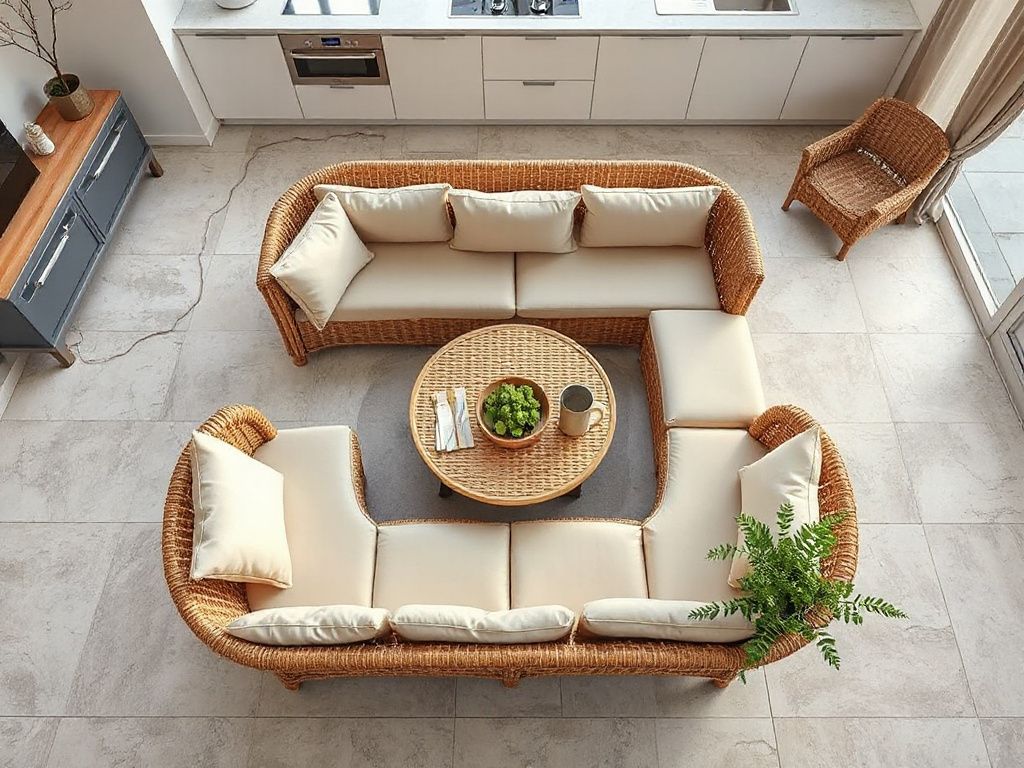
Frame and Joints: The Foundation You Never See
Rattan is just the skin. The frame underneath carries every pound of weight and resists racking forces when people lean back or shift around. In my hands-on testing, I’ve found that over 70% of rattan sectional failures I’ve inspected started at the joints—not the weave. A corner bracket that was stamped instead of cast. A bolt that rusted solid because it wasn’t marine-grade. These are the details that turn a handsome patio set into wobbly junk.
Aluminum is the standard for serious outdoor sectionals. But pay attention to the grade. Extruded aluminum tubing with powder-coated finishes handles weight and weather far better than cast aluminum, which can snap under sudden force. The wall thickness of the tubing should be at least 2 millimeters for load-bearing beams like the seat perimeter. If the frame is steel, it must be electroplated with a zinc underlayer before powder coating, otherwise the first scratch invites rust. And even then, steel is heavier and more prone to eventual corrosion than aluminum. The Stainless Steel Information Association specifies that grade 304 stainless fasteners will hold up fine in inland environments, but in coastal areas you need 316 stainless—ordinary screws start showing rust spots within six months near salt spray.
Connectors between sections are another weak link. Modular rattan sectionals commonly use plastic clips to join pieces. Those clips should be made of glass-reinforced nylon, not cheap polystyrene. A glass-reinforced clip can flex without breaking, even when someone plops down hard. Cheaper clips snap in cold weather. If you can, request spare clips with your purchase; many reputable manufacturers include a bag of extras because they know these inevitably get lost during seasonal rearranging.
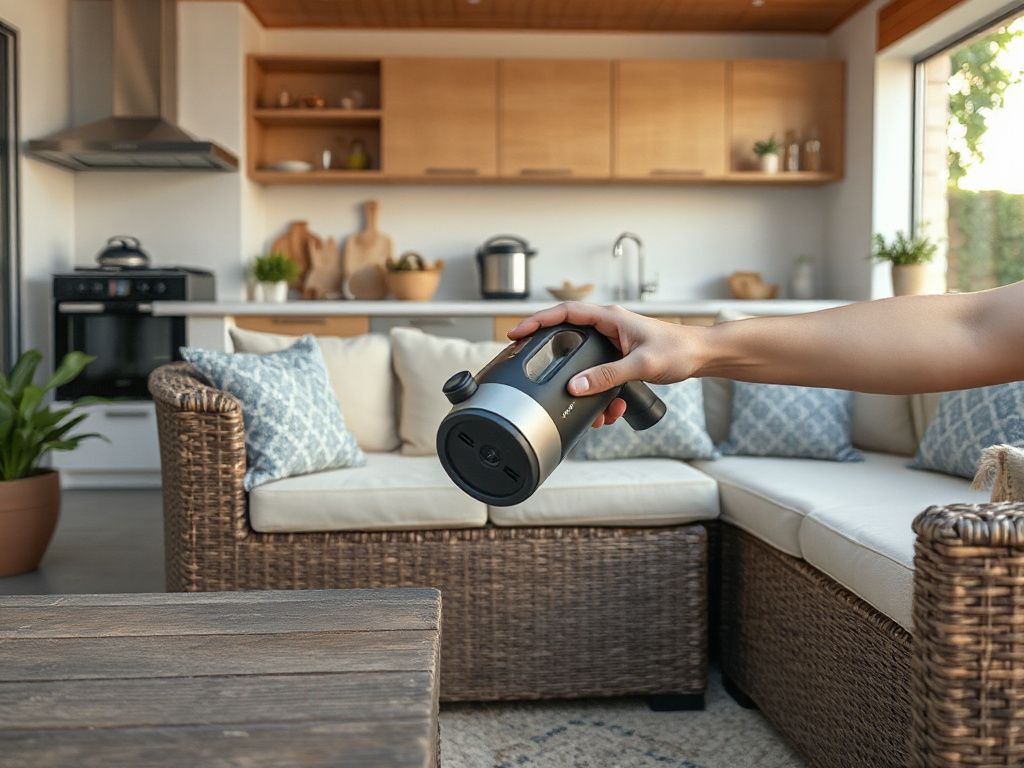
Cushions: The Drainage System That Decides Longevity
Every cushion on an outdoor rattan sectional is a water trap waiting to happen. The difference between a three-year cushion and a seven-year cushion is almost entirely about drainage. Standard indoor foam acts like a sponge—it absorbs moisture, holds it against the inner fabric, and within weeks you get that musty, basement-like smell that never washes out. Outdoor-appropriate cushions start with reticulated foam, an open-cell polyurethane that lets water run straight through instead of pooling. An even better setup uses a dual-layer approach: a firmer closed-cell base for structure and a softer open-cell top for comfort.
The fabric covering matters just as much. Sunbrella’s care guidelines illustrate the gold standard for outdoor textiles—solution-dyed acrylic that resists fading, repels water-based stains, and withstands bleach cleaning for tough mildew spots. Less expensive polyester blends work for a couple of years but degrade faster under UV and pill from friction. Regardless of the fabric, look for cushions with mesh bottoms. A solid base traps water even if the foam can drain, because the waterproof fabric acts as a barrier. Mesh lets water exit within minutes after a rain shower.
Sizing also impacts performance. Cushions that fit too loosely inside the rattan frame will slide forward every time someone sits, exposing the back edge to direct sun and creating a perpetual shuffle game. The ideal fit leaves no more than a finger’s width of gap on either side. Many cushions feature Velcro straps or sewn-in ties to secure them to the frame, which helps. An outdoor rug underneath can also reduce shifting—something like a black and white outdoor rug with a textured surface prevents the entire sectional from creeping across a slick concrete pad.
Sun, Salt, Wind: Weatherproofing Your Investment
A rattan sectional outdoor faces three relentless enemies: ultraviolet radiation, moisture, and wind. Each attacks differently, and defending against them requires a layered strategy rather than a single product.
UV Degradation and Fading
Synthetic rattan doesn’t fade evenly. Armrests and the top edges of seatbacks get the brunt of midday sun, and without adequate UV inhibitors, those zones lighten noticeably within the first 18 months. The weave itself stays intact, but the color shift makes the set look neglected. To slow this, position the sectional so that the primary seating orientation avoids direct southern exposure during peak hours, or add a shade sail overhead. If that’s not possible, rotating individual modules every spring distributes the fading more uniformly across the set.
Salt Air Corrosion
Coastal environments do more than rust screws. Salt crystals settle into the weave and attract moisture from the air, creating a microclimate of constant dampness that corrodes any exposed metal. The fix is simple: rinse the entire frame with fresh water every few weeks during peak season. A garden hose on a gentle shower setting washes away salt deposits without forcing water into the weave at high pressure—pressure washers are too forceful and can fray the rattan strands. This same rinsing routine also removes pollen and dust that otherwise build up and discolor the surface. If you want to add visual anchors near your sectional that also shield against wind, large outdoor statues can act as windbreaks on a breezy patio while defining the gathering area.
Wind Stability
Rattan sectionals are boxy and catch wind like a sail. In open yards, a strong gust can tumble individual pieces into each other, chipping the rattan and bending connectors. The larger the sectional configuration, the more vulnerable it becomes. Anchoring kits with ground stakes and nylon straps keep the base secure. If you’re placing the sectional on a wooden deck, weighted bags or sand-filled bases hidden under the corner modules do the same job. During forecasted storms, flipping the seat cushions upside down prevents them from turning into projectiles while also giving the foam a chance to air out.
Cleaning Mold, Mildew, and Daily Grime
Mold appears as black speckling that seems to grow overnight after a rainy week. Mildew smells before you see it. Both situations are reversible if you act quickly, but permanent if left for weeks. The safest effective cleaner for synthetic rattan is a bucket of warm water mixed with a few drops of mild dish soap. Scrub with a soft-bristle brush—never steel wool or stiff wire brushes—along the direction of the weave. For stubborn mildew, add one cup of white vinegar per gallon of water; the acetic acid kills spores without damaging the HDPE.
Cushion covers that zip off can go into a washing machine on a cold, gentle cycle and then air-dried flat. Never machine-dry them, as the heat will shrink the fabric unevenly and break down the waterproof backing. For non-removable covers, a spray bottle of distilled white vinegar followed by a rinse with the hose does the job. After a heavy cleaning or a particularly wet season, it’s smart to inspect the cushion foam itself. Pull a corner out and squeeze. If water drips out and the foam feels slimy, replacement foam is the only fix; no amount of drying will restore the internal structure.
Off-Season Storage and Annual Maintenance
The longest-lasting rattan sectionals are the ones that get some downtime. In regions with freezing winters, stowing cushions indoors in a dry, ventilated area like a garage or a storage bench prevents the foam from absorbing ambient humidity and cracking when temperatures drop. The frames themselves can stay outside if they’re covered properly. Use a breathable furniture cover designed specifically for sectionals—a cover that fits snugly and has air vents to prevent condensation buildup underneath. Tarps trap moisture and accelerate rust, so avoid those.
Once a year, usually in early spring when the furniture comes out of hibernation, I run through a six-point checklist that catches small issues before they become failures:
- Tighten every visible screw and bolt. If any spin without grabbing, the threaded insert is stripped and needs replacement.
- Check the plastic feet for cracks or missing pads; missing feet will scratch decks and allow moisture into the frame ends.
- Inspect welds on aluminum frames. A tiny crack at a corner joint means the piece should be taken out of rotation until it’s repaired, because the next heavy sit-down will snap it.
- Clean the rattan weave with soap and water even if it looks fine—winter dust mixes with spring pollen to form a sticky residue that abrades the surface.
- Reapply UV protectant spray to any faded areas. Products formulated for automotive vinyl interiors work well on HDPE rattan.
- Test the modular connectors and, if any are loose, swap in a spare clip. Ten seconds now saves a wobbly afternoon later.
An annual maintenance routine that takes under two hours yields a sectional that still looks and feels supportive after five years, ten years, and often longer. If you’re considering other outdoor seating—perhaps dining chairs with woven elements—the same principles of frame inspection and cushion quality apply. In a piece I wrote on teak rattan dining chairs, the emphasis fell on joint construction and natural material limitations, but the baseline for outdoor resilience remains identical.
Frequently Asked Questions
Can I leave a rattan sectional outside all year?
Yes, if it’s high-density polyethylene rattan over an aluminum frame with weather-resistant cushions. Even so, in climates with snow or prolonged rain, covering the frame with a breathable cover and storing cushions inside will double the furniture’s lifespan. Natural rattan, in contrast, must be stored indoors during wet seasons or it will crack and warp.
Do I need to anchor my rattan sectional in windy areas?
Definitely. The large surface area of a sectional catches wind easily, especially in open yards. Use ground anchors with straps or place heavy, decorative weights inside the base compartments. During storms, flipping seat cushions upside down reduces wind lift and keeps them from blowing away.
How can I stop the cushions from sliding off?
Look for cushions with integrated ties or Velcro straps that attach to the frame. If yours lack those, adhesive-backed hook-and-loop strips can be applied to the frame and cushion bottom without damaging the weave. A non-slip rug pad cut to size under each cushion also helps, and it doesn’t interfere with drainage.
What’s the safest way to remove mold from the rattan weave?
Mix warm water with mild dish soap and scrub gently with a soft brush along the weave pattern. For stubborn mold, add one cup of white vinegar per gallon of water. Avoid pressure washers and bleach-based cleaners; high pressure frays the strands and bleach can weaken HDPE rattan over time.
How do salt water and humidity affect an outdoor rattan sectional?
Salt accelerates rust on metal components and leaves a corrosive film on the weave. Rinse the entire sectional with fresh water every two to three weeks during beach season. Upgrade to 316-grade stainless steel fasteners if you’re within a mile of the coast to avoid the persistent rust spots that ordinary screws develop.