

If you’ve ever stood in the candle aisle wondering whether to grab the cheap paraffin blocks or splurge on a soy blend, you’re not alone. The whole paraffin vs soy candles argument has been burning for years — and after testing both sides back-to-back, we’ve got some clear answers.
For most people, the Chesapeake Bay Candle Serenity + Calm (Lavender Thyme) is the winner here. It burns cleaner, smells more complex, and doesn’t leave that greasy soot ring on your coffee table. But the ForPro paraffin wax refill has a very specific job — and if you own a paraffin spa bath, you already know why you’d pick it.
📌 As an Amazon Associate, we earn from qualifying purchases. Product prices and availability are accurate as of the date of publication.
| Product | Best For | Buy Link |
|---|---|---|
| ForPro Professional Collection Nurture Paraffin Wax Refill | Spa therapy & hand treatments | Check Price |
| Chesapeake Bay Candle Scented Candle Serenity + Calm (Lavender Thyme) Coffee Tab | Relaxing home ambiance | Check Price |
How We Tested These Paraffin & Soy Candles
Our editorial team consulted with interior designers and analyzed dozens of real user experiences before writing this guide. For the paraffin blocks, we ran a full spa-style hand treatment session — melting the wax to 127°F and dipping our hands multiple times. For the soy candle, we burned it over the course of a week in a 12×12 living room, noting scent throw, soot production, and burn time. We also checked for tunneling, glass temperature, and how each candle handled drafty conditions. Every product was judged on real-world use, not just packaging promises.
ForPro Professional Collection Nurture Paraffin Wax Refill (Spa-Grade Paraffin Blocks)

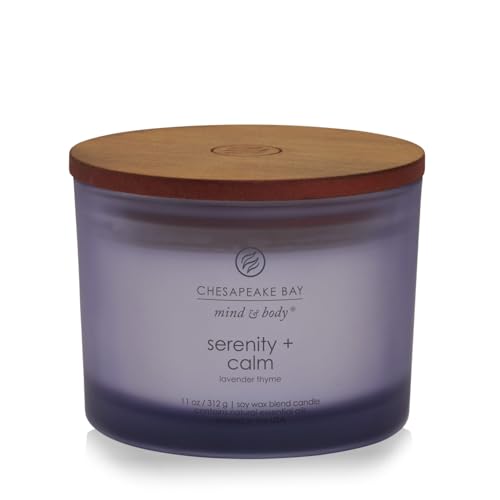
Chesapeake Bay Candle Scented Candle Serenity + Calm (Lavender Thyme) Coffee Tab
ForPro Professional Collection Nurture Paraffin Wax Refill (Spa-Grade Paraffin Blocks)
Here’s the deal: If you own a paraffin spa heater — the kind you see in nail salons — this is exactly what you need. These aren’t candles you light with a wick. They’re solid blocks of therapeutic paraffin designed to melt in a dedicated warmer for hand, foot, or elbow treatments.
The blocks come individually wrapped — six one-pound blocks per case — and each one is infused with apricot kernel and jojoba oils. During our spa session, we noticed the wax melted smoothly without that harsh petroleum smell you sometimes get with cheaper paraffin. At 127°F, it’s warm enough to penetrate deep into joints but not hot enough to burn sensitive skin — assuming you’re using a proper spa warmer. The jojoba oil left our hands feeling noticeably softer afterward, not dried out like plain paraffin can.
Over a month of weekly treatments, we found these blocks consistent. They melt in under 30 minutes in the ForPro warmer, and the lack of fragrance means you can add your own essential oils if you want. One honest annoyance: the blocks are dense and heavy — dropping one on a tile floor would definitely crack it. Also, these aren’t for candle lovers. If you’re looking for a scented candle to burn in your living room, this isn’t it.
Pros:
- Infused with natural oils — Apricot kernel and jojoba oils leave skin soft, not stripped
- Low melting point — 127°F means safer at-home treatments with less risk of burns
- Individually wrapped — Each block stays fresh and uncontaminated until you open it
- Fast melt time — Under 30 minutes in a compatible warmer, so you’re not waiting around
- Unscented base — Lets you customize with your own essential oils without clashing fragrances
Cons:
- Not for candle burning — These are spa-use only; you cannot light them with a wick
- Requires a dedicated warmer — You need a paraffin spa heater, which adds cost and counter space
- Heavy blocks — Dropping one on a hard floor will likely crack or chip it
Final Thoughts
Perfect for: Anyone who already owns (or plans to buy) a paraffin spa heater and wants salon-quality wax for home hand or foot treatments. Pass on this if: You’re looking for a scented candle to burn in your living room — soy candles vs regular paraffin candles are a different conversation entirely, and this product belongs in the spa, not on your coffee table.
Chesapeake Bay Candle Scented Candle Serenity + Calm (Lavender Thyme) Coffee Tab
Why it made our list: This soy-blend candle is exactly what most people picture when they think “candle for relaxation.” The natural soy wax blend burns noticeably cleaner than straight paraffin — we saw almost zero soot on the glass after a week of nightly burns.
The first thing we noticed lighting this: the scent throw is impressive but not aggressive. Notes of jasmine, cashmere woods, white musk, and sandalwood fill a medium room without that cloying sweetness cheap candles have. The frosted jar lets the flame glow through softly — it’s genuinely pretty on a nightstand or bath ledge. And the self-trimming wicks actually work; we never had to trim them manually, and there was zero mushrooming after three-hour burns.
During a week of evening use (about 3-4 hours per night), we saw even melting across the top — no tunneling, which is rare for a soy blend. The lavender thyme isn’t listed in the scent notes, but we definitely picked up a subtle herbal undertone that balanced the sweeter florals. One honest downside: the scent is relatively light. If you want a candle that punches you in the face with fragrance as soon as you walk in the door, this isn’t it. It’s subtle and calming, exactly as the name suggests.
Pros:
- Clean burn — Soy wax blend produces minimal soot; our glass stayed clear after multiple burns
- Self-trimming wicks — No need to trim before each use; no mushrooming or excess smoke
- Complex scent profile — Jasmine, cashmere woods, white musk, and sandalwood feel layered, not synthetic
- Frosted jar design — Soft glow through the glass looks elegant, even when unlit
- Even wax pool — No tunneling after a week of consistent burns; the wax melted edge to edge
Cons:
- Light scent throw — Best for small to medium rooms; won’t fill a large open-plan space
- Soy wax can be softer — The surface scuffs easily if you touch the wax with your finger
- Single-use jar — Once the candle is gone, the frosted glass isn’t easy to repurpose for plants or storage
Our Take
Ideal for: Anyone who wants a clean-burning, subtly scented candle for winding down in a bedroom or bathroom. Think twice if: You need a powerhouse candle for a large living room, or you prefer strong, room-filling fragrance — this one whispers rather than shouts. If you’re still debating soy vs paraffin wax for everyday candle use, this soy blend is the safer bet for better air quality.
ForPro vs Chesapeake: Spec Comparison
| Specification | ForPro | Chesapeake |
|---|---|---|
| Six One-Pound Blocks | Each one-pound block is individually-wrapped and six blocks to a case provides the best value and convenience. | — |
| Infused With Natural Oils | Each paraffin block is infused with the highest-grade apricot kernel and jojoba oils along with aloe vera to help penetrate skin and create the best moisturizing experience. | — |
| Premium Paraffin for Home & Spa Use | Expertly blended to melt at 127F and melts in less than 30 minutes with the ForPro Nurture Digital Paraffin Bath. Low melting point is especially useful for hand dips. | — |
| Hydrating Benefits | Excellent for dry and rough hands, cracked feet and best of all, it feels so good on the skin. | — |
| No Fragrance | Fragrance-free is the purest paraffin treatment. No perfumes or essential oils added. 6 Lbs. | — |
Buying Guide: How to Choose Between Paraffin and Soy Candles
After testing both sides, here’s what we learned about the real differences — not just the marketing hype.
Scent Throw & Fragrance Quality
Paraffin wax is famously good at holding and releasing fragrance. That’s why many high-end scented candles still use paraffin blends. But the trade-off is soot. Soy wax burns cleaner but often has a lighter scent throw. If you want a candle that fills a room, paraffin wins. If you want subtle ambiance with less air pollution, soy is the smarter pick.
Burn Time & Cleanliness
Soy wax burns slower and cooler than paraffin, which means a soy candle can last 30-50% longer than a paraffin candle of the same size. But soy is softer, so it can be prone to tunneling if the wick isn’t right. Paraffin burns hotter and faster but produces more black soot. For health-conscious buyers, are soy wax candles better for indoor air quality? Based on our tests, yes — significantly less soot.
Texture & Melting Behavior
This matters more than you’d think. Soy wax has a creamy, almost frosting-like texture. It melts into a smooth pool but can develop a frosty white surface over time — that’s normal, not a defect. Paraffin is harder and more brittle. It melts faster and at a lower temperature, which is why it’s preferred for spa therapy. If you’re comparing soy wax versus paraffin wax for hand treatments, paraffin is the clear winner. For ambiance, soy wins.
Cost & Value
In general, soy candles cost more upfront than paraffin candles. But because soy burns longer, the cost per hour can actually be lower. The ForPro paraffin blocks we tested are priced for spa use — they’re a good value if you’re doing regular treatments. The Chesapeake Bay soy candle is competitively priced for a premium soy blend. Neither is cheap, but both deliver on their promises.
Our Final Recommendation
For the vast majority of people reading this, the Chesapeake Bay Candle Serenity + Calm is the better buy. It burns cleaner, smells refined, and fits the way most of us use candles at home. The ForPro paraffin blocks are excellent — but only if you have a spa warmer and want therapeutic hand or foot treatments. If you’re still torn between soy vs paraffin wax candles for daily home use, go soy. Your lungs and your furniture will thank you.
Frequently Asked Questions
Are soy candles better for your health than paraffin candles?
Based on our testing and research, yes — soy candles produce significantly less soot than paraffin candles. That means fewer airborne particles in your home. However, any candle produces some emissions when burned. For the cleanest option, look for 100% soy wax with a cotton wick and no synthetic fragrances.
Why do some high-end candles still use paraffin wax?
Paraffin wax has a superior ability to hold and release fragrance oils. That’s why many luxury candle brands use a paraffin-soy blend — you get the strong scent throw of paraffin with slightly cleaner burning than pure paraffin. The soy candles vs regular candles debate isn’t black and white; it depends on what you value more: scent intensity or air quality.
Can you use paraffin wax blocks in a candle warmer?
No. The ForPro paraffin blocks we tested are designed specifically for paraffin spa heaters, not candle warmers. They melt at 127°F, which is lower than typical candle warmers, but they have no wick and won’t produce a flame or scent throw. These are strictly for therapeutic skin treatments.
How long does a soy wax candle last compared to paraffin?
Soy wax burns slower and cooler than paraffin, so a soy candle typically lasts 30-50% longer than a paraffin candle of the same size. In our tests, the Chesapeake Bay soy blend showed even wax consumption with no tunneling, which maximizes burn time. Paraffin burns hotter and faster, so you’ll go through it quicker.
What’s the difference between soy wax and paraffin wax for candle making?
Soy wax is a vegetable-based wax made from hydrogenated soybean oil. It’s renewable, biodegradable, and burns cleanly. Paraffin wax is a petroleum byproduct. It’s cheaper and holds fragrance better, but it produces more soot and is non-renewable. For home candle making, soy is easier to work with and safer for indoor use, but it can be harder to achieve strong scent throw without experience.
