

I’ve learned the hard way that the most popular advice for starting a large crochet blanket is dead wrong. Pick up any beginner guide and it’ll tell you to make a granny square. Do that for a blanket that’s meant to cover a queen bed and you’ll be weaving in ends and joining motifs until next winter. I know because I did it — twice — in my Chicago apartment while furnishing the place on a budget that barely covered a couch. I plan yarn by weight, not just yardage, because super bulky yarns vary wildly and a large blanket eats through skeins faster than you’d expect. The key distinction beginners miss is that hook size and stitch density control both warmth and drape — a tight moss stitch makes a heavy, warm throw while an open granny stitch makes a lighter, airy one, so the same yarn can yield entirely different blankets. I also treat blocking as a safety step, since a large crochet blanket can grow or shrink significantly if you skip it. This guide lays out every real cost — time, storage, and yes, money — so you don’t end up with a half-finished project slumped in a corner.
Key Takeaways
- Hook size dictates warmth and drape more than yarn choice — a 10 mm hook with super bulky yarn can produce a stiff board or a fluid blanket depending on stitch pattern.
- Buy all yarn from the same dye lot at once; a single dye lot mismatch three months later will leave a visible seam of regret.
- A large crochet blanket can exceed a standard washing machine’s weight limit when saturated — check your machine’s capacity before assuming it’s washable.
- Blocking the finished piece alters dimensions by up to 15%, so skip it only if you’re comfortable with a surprise size after the first wash.
Yarn Math Nobody Teaches You
Weight Class Is the Real Starting Point
Most people grab a skein that feels soft and figure yardage will sort itself out. That’s a ticket to three separate dye lot purchases and a project that sits unfinished. The Craft Yarn Council’s Yarn Weight System categorizes yarn from lace to jumbo, and for large crochet blankets, you’ll almost always land in #5 bulky, #6 super bulky, or #7 jumbo. The label number matters because it determines how many skeins you buy. A #6 super bulky like Lion Brand Wool-Ease Thick & Quick comes in roughly 106 yards per 170-gram skein, while Bernat Blanket Yarn — also super bulky — packs 220 yards into a 300-gram ball. If you swap one for the other thinking “super bulky is super bulky,” you’ll run short mid-row.
Knitting a standard 50×60-inch throw in a dense moss stitch with #6 yarn can chew through 1,800 to 2,200 yards. That translates to 8–10 skeins of Bernat Blanket but 17–20 of Wool-Ease Thick & Quick. I now keep a digital scale on my desk and weigh a partly used skein before starting a section. The real cost of a large crochet blanket isn’t just the sticker price of yarn; it’s realizing you need three more skeins two months later and the store only stocks a different dye lot.
Hook Size Decides the Blanket’s Personality
A 10 mm hook with bulky yarn can create a surprisingly rigid fabric if you crochet tightly, yet the exact same yarn and a 15 mm hook with a loose double crochet stitch will drape like a net. Neither is wrong; they just serve different rooms. When I wanted a blanket that could handle Chicago’s lake-effect drafts, I chose an 8 mm hook and worked a moss stitch — the result is heavy, nearly 5 pounds, and holds heat like a weighted blanket. For a summer throw meant to sit on a reading chair, a 12 mm hook and open granny stripes gave me something airy that still covers a lap.
Calculating Real Yarn Needs (Not the Label’s Guess)
Label estimates assume a specific gauge, usually single crochet with a medium tension, which rarely matches a lazy Sunday stitch session. Instead, I weigh the swatch on a kitchen scale. If my 6×6-inch moss stitch swatch weighs 30 grams, a 50×60-inch blanket uses roughly 50 times that weight — about 1,500 grams. Then I look at the yarn ball weight. A 300-gram skein of Bernat Blanket means I need at least 5 skeins. But moss stitch eats yarn; a granny stripe might use 20% less. An open stitch like a simple chain loop often uses half the yarn of a solid stitch for the same coverage area. Yarn consumption for a 50×60-inch blanket can vary from 1,200 yards of open lace to 2,500 yards of dense stitching, even with identical yarn weight. I always buy one extra skein. It becomes the starting point for a matching cushion cover, or return it if the store’s policy allows — but check return windows before you buy, because some craft stores only accept refunds within 90 days on yarn.
The Stitch That Shapes Your Blanket (and Your Sanity)
Why Granny Squares Aren’t Always the Fast Answer
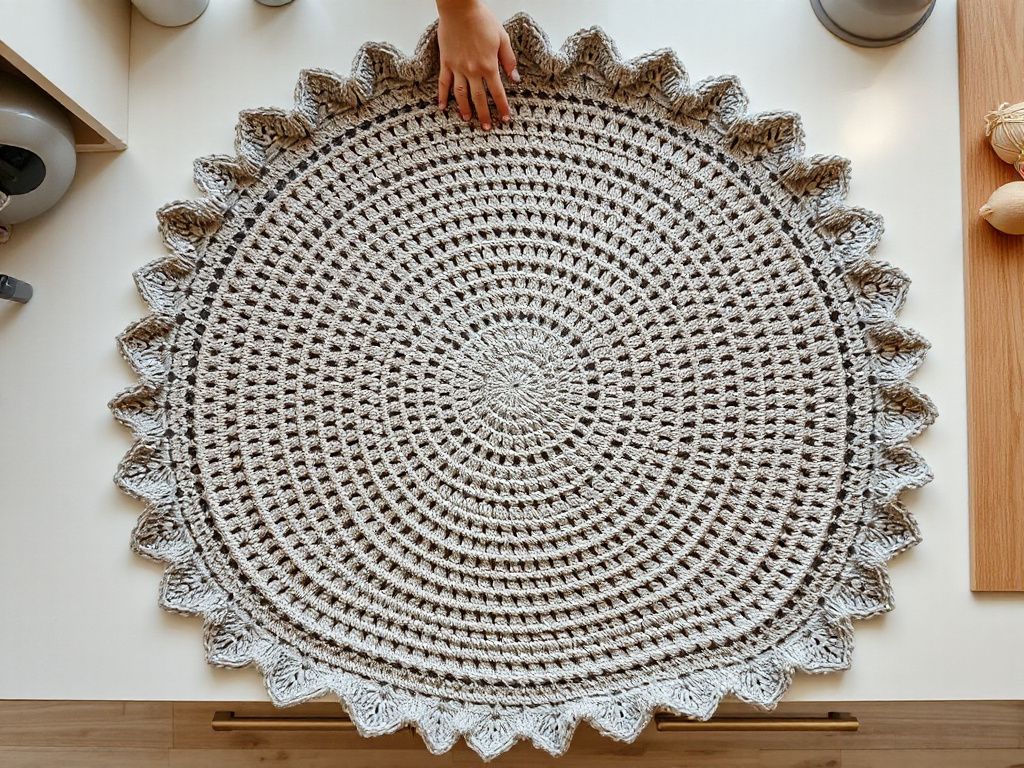
Granny squares are a classic, but assembling 48 of them for a large crochet blanket means 48 sets of ends to weave in, plus a join that can twist if you aren’t careful. I switched to a continuous granny square — one massive square that grows outward from the center — for my couch throw. No seams, no pile of motifs to line up, and it eliminated the “I’ll join them later” graveyard that claimed my first blanket. If you prefer a rectangular shape, a granny stripe stitch worked in one piece keeps the speed of granny clusters without the assembly. I’ve since learned that arm knit blankets bypass hook skills entirely and can be finished in an afternoon, but they lack the detailed texture a carefully chosen crochet stitch gives you.
Moss Stitch for Weight, Granny Stitch for Speed
Moss stitch (also called linen stitch) alternates single crochet and chain stitches, creating a dense, almost woven fabric. A 50×60 moss stitch blanket in super bulky yarn can weigh 4–6 pounds, which makes it ideal for winter and for people who like the sensation of a weighted cover. It also holds its shape well, unlikely to stretch out over time. On the other hand, an open granny stitch — clusters of three double crochets separated by chains — yields a blanket nearly half the weight for the same dimensions. I use the granny approach when I’m gifting a Christmas blanket to someone who might toss it over the back of a sofa more often than they’ll sleep under it.
Fixing That Frustrating Curl
A blanket that curls at the edges usually means the foundation chain is tighter than the rest of the work. Beginners tend to tug the starting chain, then relax into a looser rhythm. That turns a rectangular project into a bowl. Working the foundation chain with a hook one size larger than the project hook, then switching back, reduces edge tension by roughly 10–15% and often eliminates curling. Another culprit is forgetting to turn your work consistently. If you flip the blanket each row but the stitch pattern expects you to keep the same side facing, the edges will twist. For a simple fix, add a single crochet border once the body is done — it frames the piece and weights the edges down.
The Real Cost of a Handmade Blanket
Is It Actually Cheaper to Crochet Than to Buy?
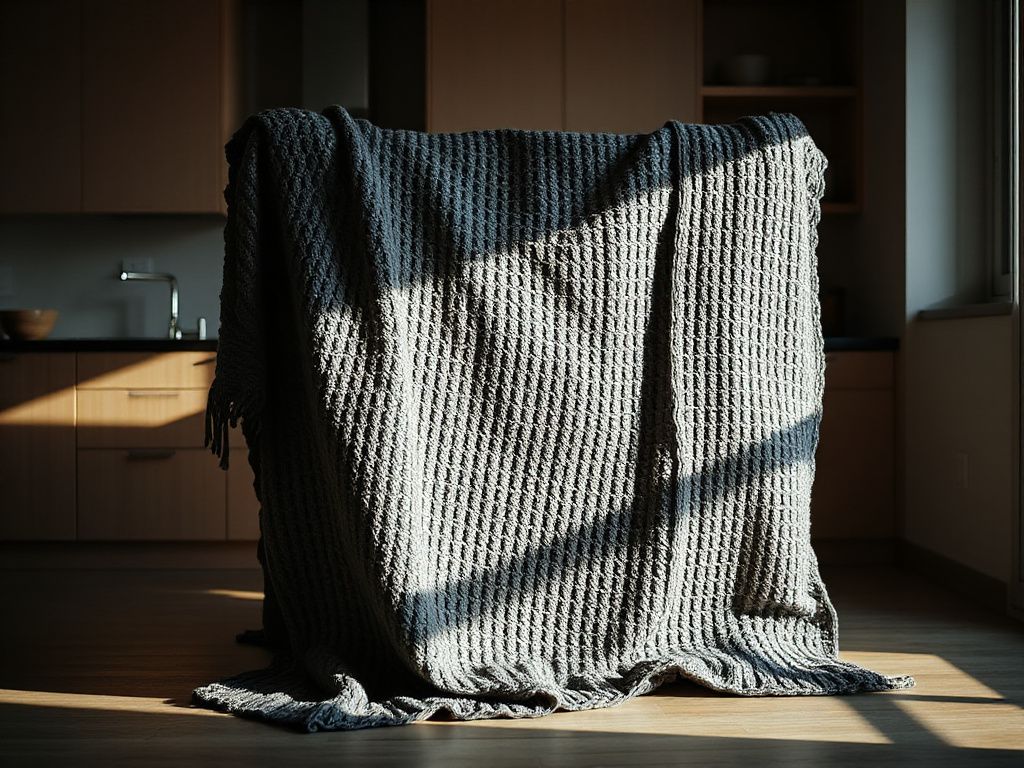
Here’s where my budget décor brain kicks in. A machine-made chunky knit throw in a big-box store can cost $40–$80, often using acrylic yarn that pills quickly. Crocheting a similar size blanket in quality super bulky yarn runs $60–$100 in materials alone, not counting the 20–40 hours of labor. But the crocheted version lasts longer because you can choose a tightly plied yarn like Red Heart Super Saver, which resists pilling under friction — something I’ve tested on a sofa that sees daily dog naps. You also get the exact color you want, not just whatever the seasonal palette dictates. For me, the math balances when I consider cost per use. A $70 blanket I use for four years costs $0.05 a day. That’s less than a Netflix subscription. Plus, I can repair a stitch if it snags, which I’ve never managed on a store-bought throw. If budget is the absolute priority, stick to worsted weight acrylic and a simple double crochet pattern; you’ll top out around $30–$40 for a throw. But if you want the chunky look, the material cost jumps fast.
Tools That Speed Up the Clock
A Clover Amour ergonomic hook cut my wrist fatigue by half when working multiple hours in a row. It’s an upfront cost of about $8–$12, and it’s paid for itself in aspirin alone. Stitch markers — truly bright ones — keep the edges straight because you mark every 20th stitch and can spot a drop without counting the entire row. A tapestry needle with a bent tip speeds up weaving ends by letting you slide through fibers instead of poking holes. Stitch markers used every 20 stitches on a 60-inch blanket reduce counting errors enough that I now finish a row without frogging it three times. These aren’t luxuries; they’re the “hidden hardware” of crochet that no pattern lists but every seasoned maker owns.
Finishing, Washing, and Keeping It Square
Blocking as an Insurance Policy
Blocking isn’t just for lace doilies. A large crochet blanket can stretch out of shape by up to 4 inches in width after a soak simply because the weight of wet yarn pulls every stitch slightly open. I lay the finished, unwashed blanket on a clean floor, pin it to my exact desired measurements using rust-proof T-pins (a $3 investment) and then spray it with water until damp. As it dries, the stitches relax into a memory of that shape. The Craft Yarn Council notes that blocking acrylic yarn with steam sets the fibers permanently, making subsequent washes much less likely to change the size. I once skipped blocking a 55-inch square; after its first delicate cycle, it became a 60-inch rectangle that no longer fit the intended bed. Now I consider blocking a mandatory final step.
Washing Without Disaster
A super bulky acrylic blanket can weigh 6 pounds dry. Soaked, it easily doubles. Most top-load washers handle 12–15 pounds of laundry; a front-loader may hold less. Before tossing a huge crochet piece in the machine, I check the washing machine’s capacity in pounds from the manufacturer’s guide. If it’s close, I use a large mesh laundry bag to distribute the weight and run the cycle on gentle with cold water, low spin. Better yet, I hand-wash in the bathtub: fill with cool water and a no-rinse wool wash, submerge the blanket, press it gently, then drain and let it sit until the dripping stops. Rolling it between towels to absorb moisture before air-drying flat prevents stretching. A 7-pound blanket can take 24–48 hours to dry flat indoors, so plan that finish around a weekend. I once tried to rush-dry a plaid sherpa blanket by hanging it over a shower rod; the weight warped the stitches and gave it a permanent droop. Flat drying is the only safe route.
Keeping the Sides Straight as You Go
Uneven edges don’t just come from the foundation chain. Many patterns ask you to work into the turning chain, and if you misinterpret where that chain lives, you’ll lose or gain a stitch every row. After a few rows, the blanket leans. I place a stitch marker at the top of the turning chain immediately after making it. That marker tells me exactly where the last stitch must go. Counting the first few rows repeatedly is tedious, but marking the turning chain eliminates the guesswork and keeps a rectangular blanket rectangular. For extra security, a single crochet border around the finished blanket camouflages minor wobbly edges and gives a crisp frame that looks intentional.
Frequently Asked Questions
How much yarn do I need for a large crochet throw blanket?
For a 50×60-inch throw in a dense stitch like moss stitch, expect to use 1,800–2,200 yards of #6 super bulky yarn, or about 8–10 skeins of Bernat Blanket. An open stitch can cut that by 20–30%. Always buy one extra skein from the same dye lot; running out mid-row without a matching backup is a heartbreak that costs either a mismatched stripe or a hunt for discontinued dye at inflated prices.
Why does my blanket curl at the edges and how do I stop it?
Curling typically means the foundation chain is tighter than the body stitches. Crochet the chain with a hook one full size larger, then switch to the project hook. Also, ensure you’re turning your work correctly for the stitch pattern. Adding a simple border of single crochet around the entire piece after finishing often resolves minor curling without tearing out rows.
Is it cheaper to make a crochet blanket than to buy one?
Only if you use lightweight worsted acrylic and a simple stitch, bringing material costs to $30–$40. For super bulky yarns, materials alone often exceed $60, rivaling store prices. The value lies in customization, longevity, and the fact that a handmade blanket can be repaired. From a pure hourly labor perspective, no handmade blanket is cheaper than mass-produced — but a well-made crochet throw outlasts most commercial versions by years.
How do I wash a huge crochet blanket without stretching it?
Check your machine’s weight limit against the blanket’s dry weight plus water weight. Use a mesh bag and gentle cold cycle. If the blanket weighs more than 10 pounds dry, hand-wash it in a bathtub using a no-rinse wool wash, then roll in towels and dry flat on a waterproof surface. Never wring or hang; the weight of water pulling down stretches stitches permanently. Blocking after drying restores intended dimensions.