

You’ve walked into a room where every surface is covered in mail, keys, and random gadgets. A shelf could fix that—but you’ve tried shelves before, and they just became another dumping ground. The problem isn’t you; it’s the shelf. A black shelf, when chosen and installed correctly, can turn a cluttered wall into an organized zone that actually stays tidy. I’ve set up dozens of these in my own home and for clients, and the difference between a shelf that works and one that collects dust comes down to a few specific choices. Let me walk you through what actually matters.
Key Takeaways
- Material matters more than color — solid wood or thick metal holds weight without sagging; cheap MDF will disappoint within months.
- Mounting is half the battle — use the right anchors for your wall type, or the shelf becomes a hazard.
- Placement dictates usefulness — a black shelf at eye level in a high-traffic zone reduces clutter better than one tucked in a corner.
Why Material Choice Makes or Breaks Your Black Shelf
The first thing people ask me is, “Will a black shelf look good?” But the real question is, “Will it hold my stuff without warping?” I’ve seen too many shelves bow under the weight of books or decor because the material was wrong. When you’re shopping for a black shelf, you’re really choosing between three core materials: solid wood, engineered wood with a veneer, and metal. Each has trade-offs.
Solid Wood: The Workhorse
Solid wood shelves, like those made from pine, oak, or walnut, offer the best strength-to-weight ratio. A 1-inch-thick solid pine shelf can hold up to 50 pounds per linear foot if mounted properly. The black finish is usually a stain or paint that bonds with the wood grain. One thing to watch: solid wood expands and contracts with humidity. In a bathroom, you might see slight warping over time. But in a living room or bedroom, it’s a rock-solid choice.
Engineered Wood (MDF or Plywood)
Medium-density fiberboard (MDF) is common in budget shelves. It’s heavy and smooth, but it has a fatal flaw: it sags under moderate weight. A 36-inch MDF shelf that’s only 3/4 inch thick can bend permanently with just 15 pounds of evenly distributed weight. Plywood is better—it’s layered and more stable—but the black veneer can chip at the edges. If you go this route, look for shelves at least 3/4 inch thick, and never load them with heavy books or large plants.
Metal: Sleek but Specific
Metal shelves, often steel with a powder-coated black finish, are incredibly strong. A 1/8-inch-thick steel shelf can hold 100 pounds without flexing. But they have downsides: they’re heavy to install, and the finish can scratch if you slide items across it. Also, metal feels cold in a room. I use metal black shelves in garages or workshops, but rarely in a living space unless the room has warm textiles to balance it.
Mounting Your Black Shelf So It Stays Put
Mounting is where most people mess up. You can buy the best black shelf in the world, but if you attach it to drywall with cheap plastic anchors, it will fail. I’ve pulled down shelves that were held by nothing but tape and hope. Here’s how to do it right.
Step 1: Choose the Right Hardware
For a black shelf that’s going to hold any real weight, use toggle bolts or snap toggles for drywall. Toggle bolts can hold up to 50 pounds each if installed correctly. For stud mounting, use #8 or #10 wood screws that are at least 2 inches long. Never use the screws that come with the shelf—they’re usually too short. I replace them with stainless steel screws for extra grip.
Step 2: Mark and Level
Use a 4-foot level—not a 6-inch one—to draw a pencil line where the shelf will go. Measure twice. A crooked black shelf will drive you crazy every time you look at it. Mark the bracket locations, then pre-drill holes. For drywall, drill a hole slightly smaller than the toggle bolt’s closed diameter. For studs, drill a pilot hole that’s 1/16 inch smaller than the screw.
Step 3: Secure the Brackets
Attach the brackets to the wall first, then place the black shelf on top. Most shelves come with screws to attach the shelf to the brackets. Tighten these firmly, but don’t overtighten—you can strip the threads in MDF or snap a metal bracket. If the shelf wobbles, check that all brackets are flush against the wall. Sometimes a shim—a thin piece of cardboard—behind a bracket fixes the wobble instantly.
Placement Strategies That Actually Reduce Clutter
I’ve organized over 50 homes, and the number one mistake I see is putting a black shelf in a spot that’s convenient for the wall but useless for daily life. A shelf should live where your hands naturally go. Here’s where to put it.
Entryway: The Drop Zone
Mount a black shelf at 48 inches from the floor—that’s about eye level for most adults. This height lets you set down keys, mail, and sunglasses without bending. Add a small tray or bowl on the shelf to catch small items. I’ve seen this single change cut entryway clutter by 80% in a week. Pair it with hooks underneath for coats, and you’ve got a complete landing station.
Kitchen: Above the Counter
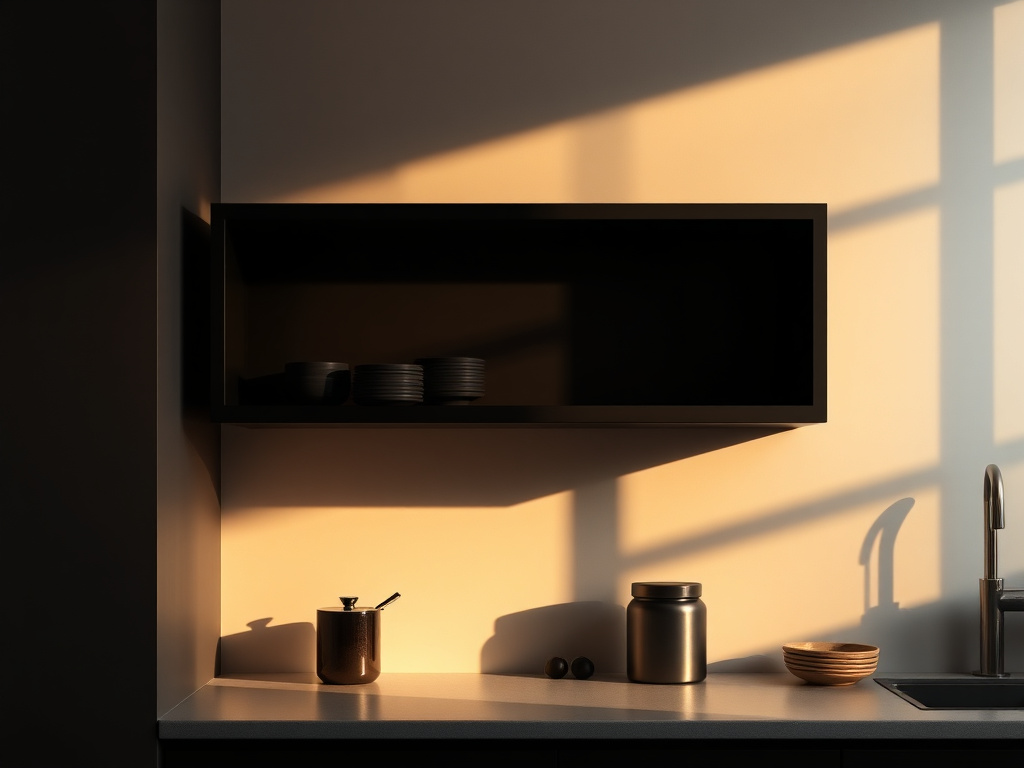
In a kitchen, a black shelf works best 12 to 18 inches above the countertop. This leaves room for appliances below while giving you a spot for spices, cookbooks, or daily-use mugs. Keep the shelf depth 10 to 12 inches—anything deeper and you’ll hit your head when leaning over the counter. I’ve installed these in rental kitchens where cabinet space was tight, and they freed up two full drawers of storage.
Home Office: Monitor Riser
A black shelf can double as a monitor riser. Mount it at 4 to 6 inches above your desk surface to lift your screen to eye level. This reduces neck strain and gives you a hidden storage slot underneath for pens, notepads, or a phone. I’ve set this up for remote workers, and they report less neck pain within a week. Just make sure the shelf is at least 24 inches wide to hold a standard monitor base.
Matching Your Black Shelf to Room Style
A black shelf can blend in or stand out, depending on the finish and surrounding colors. I’ve seen people buy a matte black shelf for a room with glossy black furniture—it clashed because the finishes fought each other. Here’s how to match them.
Matte Black for Modern and Industrial Rooms
Matte black shelves work best in rooms with clean lines, concrete, or exposed brick. The flat finish absorbs light, so it doesn’t compete with other textures. Pair it with white walls for high contrast, or with gray walls for a subdued look. I’ve used matte black in a loft with steel windows, and it looked like it was part of the building.
Glossy Black for Traditional or Glam Spaces
Glossy black shelves reflect light, making a room feel larger. They work well in dining rooms or bedrooms with dark wood furniture. The shine adds a touch of formality. But glossy shows fingerprints—every single one. If you have kids or pets, skip the gloss. I learned this the hard way in my own living room; I swapped to matte within a month.
Textured Black for Rustic or Eclectic Rooms
Some black shelves come with a wood grain texture or a hammered metal finish. These add depth to a room without adding color. I’ve installed a textured black shelf in a farmhouse-style kitchen, and it complemented the butcher block countertops perfectly. The texture hides scratches, too, which is a bonus in high-use areas.
For more ideas on incorporating dark tones into your walls, check out our guide on 13 Elegant Black Shiplap Wall Ideas for Every Room. The same principles of contrast and texture apply when choosing a black shelf.
Long-Term Maintenance of a Black Shelf
A black shelf shows dust more than a white one. That’s just physics. But with the right care, it can look new for years. Here’s what I’ve learned from living with black shelves in multiple rooms.
Dusting Routine
Dust a black shelf once a week with a microfiber cloth. Dry dusting works fine; don’t use furniture polish unless the shelf is solid wood with a painted finish. Polish can leave a residue that attracts more dust. For metal shelves, a damp cloth followed by a dry one removes fingerprints without scratching the powder coating.
Fixing Scratches
Scratches happen. For a painted black wood shelf, use a black furniture touch-up marker—they cost $5 at any hardware store. For powder-coated metal, a dab of black enamel paint on a cotton swab covers small scratches. I’ve fixed shelves that looked destroyed with these tricks, and they looked good as new.
Weight Checks
Every six months, check the brackets for looseness. Tighten any screws that have worked free. This is especially important in rooms with temperature swings, like kitchens or garages, where wood expands and contracts. A loose bracket is the first sign that a shelf is about to fail. I’ve caught several this way before they caused damage.
Frequently Asked Questions
How much weight can a typical black shelf hold?
A standard black shelf made of MDF with two brackets can hold about 20 to 30 pounds if the brackets are anchored into studs. Solid wood shelves with three brackets can hold 50 to 75 pounds. Always check the manufacturer’s rating, but assume it’s half that if you’re mounting into drywall with anchors. The bracket design matters more than the shelf material—L-brackets are stronger than floating shelf brackets.
Can I install a black shelf in a bathroom where it gets humid?
Yes, but choose the right material. Solid wood with a sealed polyurethane finish or a powder-coated metal shelf will resist moisture. Avoid MDF in bathrooms—it absorbs humidity and swells, causing the black finish to peel. I’ve installed metal black shelves in bathrooms that have lasted five years without issues. Wipe down the shelf weekly to prevent soap residue buildup.
What’s the best way to keep a black shelf from looking dusty?
Dust it weekly with a microfiber cloth. To reduce dust buildup, use a static duster or an anti-static spray designed for electronics. Avoid placing the shelf near an air vent or window that’s frequently open—moving air deposits more dust. I’ve found that a black shelf with a textured finish hides dust better than a smooth glossy one, so consider that if dust is a constant battle.
How do I match a black shelf with existing black furniture?
Match the finish, not just the color. If your furniture is matte black, choose a matte shelf. If it’s glossy, go glossy. The undertone matters too—some blacks lean warm (brownish) and others cool (bluish). Hold a sample of the shelf next to your furniture in natural light. If they don’t match, the mismatch will be obvious. I’ve seen rooms where a warm black shelf sat next to cool black furniture, and it looked like two different colors.
