

A red sherpa blanket is a classic choice for adding warmth and texture to any room. But not all of them are built to last.
I’ve spent years testing accent furniture and soft furnishings. I sit in every chair and feel every fabric before writing a word. When it comes to a red sherpa blanket, I judge it by whether it would survive a toddler, a dog, and five years of daily use.
This guide covers everything you need to know before buying one. We’ll look at fabric construction, pile density, care routines, and how to spot a blanket that will hold up versus one that will shed or pill within months.
Key Takeaways
- A red sherpa blanket’s durability depends on the weave density and fiber length, not just the brand name.
- Proper washing and drying techniques can extend the life of a red sherpa blanket by two to three years.
- The best red sherpa blankets have a pile height between 10 and 15 millimeters for optimal warmth without excessive shedding.
What Makes a Red Sherpa Blanket Different from Other Fleece Blankets
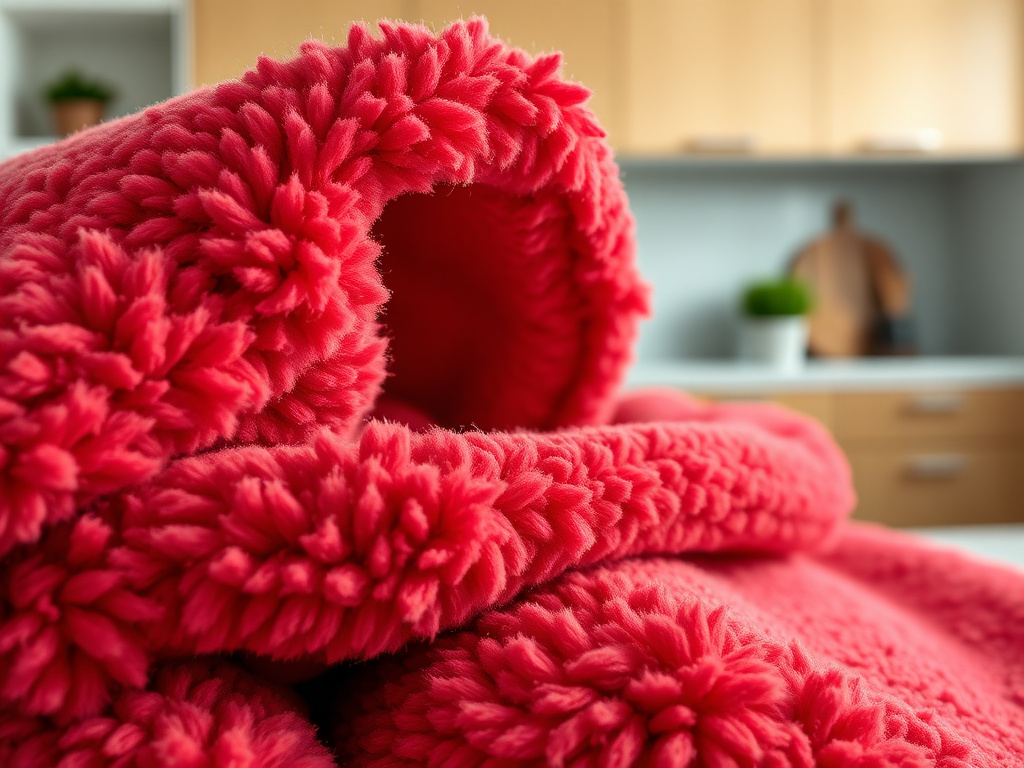
Sherpa fabric mimics the look and feel of sheepskin fleece. It has a looped or cut pile on one side and a smooth backing. A red sherpa blanket uses this construction but with a deep, consistent red dye.
The key difference between sherpa and standard fleece is the pile. Fleece is usually flat, while sherpa has a raised, textured surface that traps more air. This trapped air acts as insulation, making sherpa blankets warmer than most fleece options.
When you buy a red sherpa blanket, you are getting a fabric that is inherently warmer and heavier than a standard microfiber throw. The pile height matters. A 10 millimeter pile gives you moderate warmth and less shedding. A 15 millimeter pile feels plusher but requires more careful washing to prevent matting.
The Role of Fiber Content in a Red Sherpa Blanket
Most sherpa blankets are made from 100% polyester. This is not a bad thing. Polyester fibers are durable, resist shrinking, and hold dye well. A red sherpa blanket made from high-quality polyester will keep its color after many washes.
Some blankets blend polyester with acrylic or cotton. Acrylic adds softness but can pill faster. Cotton blends are breathable but less warm. For a red sherpa blanket that lasts, look for a fabric weight of at least 200 grams per square meter. Lighter blankets feel flimsy and wear out quickly.
I always check the label for fiber length. Long-staple fibers are less likely to shed than short fibers. If the blanket feels fuzzy before you even wash it, that means short fibers are already coming loose.
How to Choose the Right Red Sherpa Blanket for Your Home
Size matters more than you think. A red sherpa blanket for a couch should be at least 50 by 60 inches. For a bed, you want 60 by 80 inches for a twin, 80 by 90 inches for a queen, and 90 by 108 inches for a king.
Thickness also varies. A thin sherpa blanket works as a decorative throw. A thick one provides actual warmth. I recommend a weight of 400 to 600 grams for a throw blanket that feels substantial without being too heavy.
Pile Density and Construction
Pile density refers to how many fibers are packed into each square inch. A high-density red sherpa blanket has a tighter weave and feels smoother to the touch. Low-density blankets feel looser and shed more.
To test density, hold the blanket up to a light. If you can see through it easily, the pile is too thin. A good sherpa blanket should block most light.
The backing material also matters. Some red sherpa blankets have a smooth fleece backing, while others have a woven backing. Woven backings are more durable but less soft. Fleece backings are softer but can pill over time.
Colorfastness and Dye Quality
Red is a difficult color to dye evenly. A low-quality red sherpa blanket may fade after a few washes or bleed onto other fabrics. I always check for colorfastness by reading reviews or testing a small corner with a damp white cloth.
Look for blankets labeled as solution-dyed. This means the color is added to the polyester before the fibers are extruded. Solution-dyed red sherpa blankets resist fading much better than piece-dyed ones.
I also avoid blankets that feel stiff or have a chemical smell. That smell usually indicates leftover dye or finishing agents that can cause skin irritation.
How to Wash and Care for a Red Sherpa Blanket
Proper care is the single most important factor in extending the life of a red sherpa blanket. I have seen expensive blankets ruined by a single hot water wash or a high-heat dry cycle.
Always wash a red sherpa blanket in cold water. Use a gentle cycle and a mild detergent. Avoid fabric softeners and bleach. Fabric softeners coat the fibers and reduce their ability to trap air, making the blanket less warm.
Dry the blanket on low heat or air dry. High heat causes the polyester fibers to melt slightly, which leads to matting and pilling. If you use a dryer, add a few clean tennis balls to help fluff the pile.
Washing Frequency
You do not need to wash a red sherpa blanket every week. In fact, overwashing wears it out faster. I recommend washing it every two to three months unless there is a visible stain or smell.
Spot cleaning with a damp cloth and mild soap works for most small spills. For larger stains, pretreat with a small amount of laundry detergent and let it sit for ten minutes before washing.
Removing Pills and Shedding
Even the best red sherpa blankets will develop some pilling over time. Use a fabric shaver or a sweater comb to remove pills gently. Do not use a razor blade or scissors, as you can cut the fibers.
To reduce shedding, wash the blanket alone for the first few washes. This lets loose fibers come off in the wash instead of on your furniture. After three washes, shedding should decrease significantly.
If shedding continues after six washes, the blanket may have a poor construction. In that case, it is better to replace it than to keep fighting the lint.
How a Red Sherpa Blanket Fits into Your Home Décor
Red is a bold color. A red sherpa blanket works best as an accent piece rather than the main focal point. It pairs well with neutral colors like gray, beige, and white.
I often see red sherpa blankets used in living rooms with leather or dark fabric sofas. The texture of the sherpa contrasts nicely with smooth leather. In bedrooms, a red sherpa blanket adds warmth to a white or gray duvet.
For a cohesive look, match the shade of red to other accents in the room. A true red works with modern décor. A deeper burgundy red fits traditional or rustic styles.
If you are looking for complementary color schemes, consider pairing your red sherpa blanket with an orange and blue throw blanket for a vibrant, warm palette. The contrast between the red and the blue creates a visually interesting layer.
Durability Testing: What I Look For
When I test a red sherpa blanket, I put it through a series of real-world checks. I drape it over a chair and sit in it for an hour to see if it shifts or bunches. I rub the fabric against denim to check for pilling. I wash it three times in a row to see how it holds up.
A good red sherpa blanket should not lose more than a handful of fibers after three washes. The edges should stay straight and not curl. The pile should remain fluffy without matting.
I also check the stitching. Double-stitched edges last longer than single-stitched ones. Look for a hem that is at least half an inch wide.
For those interested in weighted blankets, the gravity cooling weighted blanket is also covered here. While it uses a different construction, the same principles of fabric quality and care apply.
Frequently Asked Questions
Can I use a red sherpa blanket on a bed?
Yes, a red sherpa blanket works well on a bed. It provides extra warmth without the weight of a comforter. Choose a size that matches your mattress dimensions. For a queen bed, a 80 by 90 inch blanket is ideal. Layer it over a flat sheet and under a duvet for the best insulation.
How do I stop my red sherpa blanket from shedding?
Shedding is normal for the first few washes. Wash the blanket alone in cold water on a gentle cycle. Do not use fabric softener. Dry on low heat with tennis balls to fluff the fibers. If shedding persists after six washes, the blanket likely has short fibers and will continue to shed.
Is a red sherpa blanket safe for pets?
Yes, but with caution. Pet claws can snag the pile and cause runs. If your dog or cat sleeps on the blanket, trim their nails regularly. Also, pet hair sticks to sherpa fabric, so you will need to use a lint roller or vacuum attachment to clean it. Wash the blanket more frequently if your pet uses it.
What is the best way to store a red sherpa blanket?
Store a red sherpa blanket in a cool, dry place away from direct sunlight. Sunlight can fade the red dye over time. Fold the blanket loosely to avoid creasing the pile. Do not store it in a vacuum-sealed bag, as the compression can flatten the fibers. A cotton storage bin works well.