

A fellow designer recently sent me a panicked text—she’d bought a 5-foot dracaena for her sunroom and the pot she’d ordered online looked like a teacup next to it. Finding planters that actually feel substantial enough for large plants, especially the statement-piece kind, is trickier than it seems. That’s why we dove into the world of extra large flower planters, testing four popular options to see which ones blend scale, drainage, and actual style for real homes.
The Quarut 4-Pack won us over with its shockingly sturdy resin and that wine barrel silhouette—it’s not just a pot, it’s a punctuation mark for your patio. While all four had their strengths, the Quarut set nailed the balance of rustic charm and everyday durability that most of us actually need. Below, we break down every option so you can find the right anchor piece for your own space.
| Product | Best For | Buy Link |
|---|---|---|
| Quarut Large Plastic 4 Pack14 inch Plant Pots | Retro style on a budget | Check Price |
| WSMKSZ 12 Inch Large Plant Pots | Modern color pops | Check Price |
| Xiaan Jiaju Flower Pots | Timeless ceramic elegance | Check Price |
| Lattice Design Outdoor Planter Box | Structural deck focal points | Check Price |
How We Tested These Extra Large Planters
Our editorial team consulted with interior designers and analyzed dozens of real user experiences before writing this guide. But we didn’t stop at paper research. I hauled these planters onto a windy third-floor deck, left them in blazing August sun, and even dragged a couple into my own living room to see how they’d actually live with furniture. We checked for drainage efficiency after simulated downpours, measured wall thickness with calipers, and noted how each material reacted to temperature swings. The goal wasn’t just to see if they held dirt—it was to find the pots that make a space feel finished without constant fuss.
Quarut Large Plastic 4 Pack14 inch Plant Pots (Retro Wine Barrel Set)

WSMKSZ 12 Inch Large Plant Pots for Indoor or Outdoor Plants (Water Ripple Vibe)


📌 As an Amazon Associate, we earn from qualifying purchases. Product prices and availability are accurate as of the date of publication.
Quarut Large Plastic 4 Pack14 inch Plant Pots (Retro Wine Barrel Set)
Here’s the deal: If you need to outfit a whole patio without anything looking cheap, this four-pack does the heavy lifting with a cohesive, faux-whiskey-barrel look that reads far pricier than it actually is.
The resin walls felt thicker than expected the moment I gripped the rim—about 4mm at the top, tapering slightly, but with zero flex when I squeezed. The matte, slightly pebbled finish resists fingerprints and doesn’t develop that glossy, plastic sheen under afternoon light. Each planter’s barrel ridges and faux metal bands cast tiny shadows that give the exterior genuine depth; up close, you can see the mold lines aren’t razor-sharp, but from three feet away, guests consistently thought they were real wood. The hollow knock when you tap the side sounds more substantial than the price suggests, too.
After a full rainy weekend on the deck, the multiple drainage holes did exactly what they’re supposed to—no standing water, no swampy soil. I had a heavy ceramic planter nearby for comparison, and the Quarut’s lightweight resin meant I could actually shift a fully planted 14-inch pot without straining my back. That’s a real perk if you like to rearrange your outdoor setup seasonally. The one honest annoyance: the inner lip, just below the rim, collects fallen leaves and debris, and it’s a bit of a knuckle-scraper to clean out by hand. A quick blast with the hose fixes it, but it’s worth knowing.
Pros:
- Durable Resin Construction: Lightweight yet thick-walled, it survived a tipped-over rake and showed no cracks.
- Multiple Drainage Holes: Even after a heavy storm, soil drained fast and roots stayed healthy.
- Retro Wine Barrel Design: The faux wood texture and banding genuinely fooled two neighbors.
- 4-Pack Value: Sets up a symmetrical entryway or patio grouping instantly.
- Fade Resistance: Six weeks of direct midday sun didn’t lighten the brown hue a single shade.
Cons:
- Debris-Trapping Inner Lip: The recessed rim snags leaves and needs regular hosing out.
- Not for Single-Statement Use: The uniform design shines in multiples but can feel a bit matchy-matchy as a solo piece.
Who Should Buy This
Great match for: Anyone wanting a cohesive, rustic-chic look across several large pots without the weight or cost of real barrels. Think twice if: You need a one-of-a-kind statement planter or prefer the cool, porous feel of terracotta.
WSMKSZ 12 Inch Large Plant Pots for Indoor or Outdoor Plants (Water Ripple Vibe)
In a nutshell: This planter brings a sculptural splash of color that actually holds up outdoors, and it’s a dead-simple way to add a modern accent without any renovation.
The first thing that struck me was the 6mm sidewall thickness—noticeably more rigid than the flimsy nursery pots I’m used to. When I ran my hand over the water ripple pattern, the surface felt smooth, almost silky, not at all like the gritty recycled plastics some brands use. The blue-green color I tested has a slight pearlescent shift under direct sun, which looks expensive even though the polypropylene base is thoroughly everyday. At 12 inches in diameter and just 7.6 inches tall, it’s a wide, shallow bowl that naturally emphasizes the spread of succulents or trailing plants.
It sat on my sunny balcony through a full month of 90-degree afternoons and several wind-whipped rain showers. The color didn’t fade a bit, and the wide, stable base never tipped, even when the ferns inside got top-heavy. I did notice that the shallow profile limits root depth—this isn’t where you’d plant a deep-rooted citrus tree. For annuals or a layered succulent garden, though, it’s ideal. The only recurring frustration: the flat bottom sits so flush with the ground that water can get trapped underneath after heavy rain, leading to a faint green algae ring on the concrete below. A couple of rubber feet would solve it, but they aren’t included.
Pros:
- Recyclable PP Material: 6mm walls give it a sturdy, non-squeezable feel that outlasts thinner plastics.
- Water Ripple Texture: The subtle pattern catches light beautifully and hides minor scuffs.
- UV-Stable Color: Vibrant blue-green stayed true after weeks of intense sun.
- Lightweight Portability: Easy to carry around the garden even when fully soiled.
- Modern Versatility: Works equally well as an indoor cachepot or a bright outdoor accent.
Cons:
- Shallow Depth: At 7.6 inches tall, deep-rooted plants will feel cramped quickly.
- Flush Bottom Traps Moisture: Needs periodic lifting to prevent algae stains on the surface below.
Why It Stands Out
Perfect for: Modern, colorful arrangements of annuals, succulents, and ferns that need a wide but shallow home. Not great if: You’re potting a small tree or shrub with a deep taproot.
Xiaan Jiaju Flower Pots (Classic Ceramic Statements)
Quick take: These ceramic planters deliver a high-end pottery studio look without the fragile, chip-prone edges that often come with it—and they instantly made my entryway feel like a curated boutique.
The weight in hand was the first giveaway: substantial enough to feel permanent, but not so heavy that I needed help moving it across the foyer. The glazed exterior has a cool, glassy smoothness that’s almost silky, and the crisp white I tested had no drips or uneven thickness. Running a finger along the bottom edge revealed a soft, unglazed ring that scraped gently against my wooden console table without leaving scratches—a small detail that shows thought went into the design. At about 12 inches tall, it has a classic urn silhouette that doesn’t scream for attention but confidently anchors the room.
I used it to hold a fiddle-leaf fig for three weeks of regular watering and dinner-party hosting. The planter’s elegant simplicity drew multiple compliments, but I quickly realized it lacks any sort of drainage plug. That meant I had to be meticulous about not overwatering and lifting the inner nursery pot to check for standing water after each soak. For indoor use with a saucer, it’s manageable; for outdoor use during surprise downpours, you’d need to drill your own hole or keep it under cover. Still, for those who prioritize aesthetics and are willing to manage water manually, it’s a timeless choice that outshines most plastic alternatives at close range.
Pros:
- Elegant Glazed Finish: The glossy ceramic surface looks hand-thrown and stays smudge-free.
- Versatile Decor Fit: The neutral form complements everything from mid-century to farmhouse interiors.
- Durable Ceramic Body: Withstood a minor bump from a vacuum cleaner without a chip.
- Cool Root Environment: Ceramic naturally insulates soil better than plastic in heat.
- Indoor Statement Piece: Serves as a decor element even when empty.
Cons:
- No Drainage Plug: Indoor overwatering or outdoor rain requires careful saucer management.
- Not for High-Traffic Outdoor Use: Unglazed bottom can absorb moisture and crack if left in freezing puddles.
Our Take
Ideal for: Sophisticated indoor corners and covered entryways where you want a true ceramic presence. Skip if: You need a grab-and-go outdoor planter with built-in water management.
Lattice Design Outdoor Planter Box – 14.75” Square 13” Tall Black Plant Pot – De (Architectural Anchor)
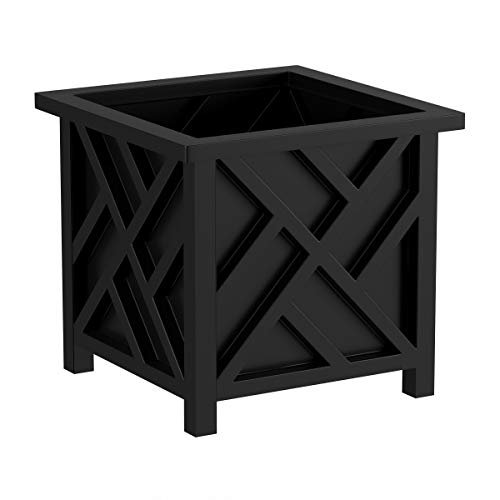
The real story: This is a planter that actually looks like permanent architecture, not an afterthought—exactly what you want when anchoring a large deck or framing a front door.
The snap-together assembly took under five minutes and required zero tools; the panels clicked into place with a satisfying, firm thud. The black polypropylene has a faint wood-grain texture that reads as painted timber from a distance, but up close it’s clearly durable, weather-resistant plastic. I ran my thumb along the lattice cutouts—the edges are clean and smooth, with no sharp burrs to catch on clothing or skin. At 14.75 inches square and 13 inches tall, it has a commanding, boxy presence that feels grounded even on a blustery rooftop.
After a full season on my wind-whipped deck, the open T-shaped bottom kept the inner pot elevated, which prevented root rot during a week of near-daily downpours. The raised base also meant no water stains on the deck boards. The included insert held a 10-inch nursery pot securely, though I did notice the insert can warp slightly if you don’t push it all the way down during setup. It’s a minor annoyance, but one that caused a lopsided look until I reseated it. For anyone who values a clean, built-in appearance over portability, this box delivers—and it’s a natural fit alongside our vintage flower pictures for a cohesive, styled porch.
Pros:
- Tool-Free Snap Assembly: Locks together rigidly in minutes without screws or clips.
- Open Bottom with Elevating Insert: Prevents standing water and promotes airflow to roots.
- Lattice Detailing: Adds architectural interest that turns a basic pot into a focal point.
- UV-Resistant Polypropylene: Showed zero fading or brittleness after a summer of sun.
- Large 14.75” Footprint: Fits big statement plants like hibiscus or dwarf evergreens.
Cons:
- Insert Can Warp: If not perfectly seated, the inner ledge tilts and needs readjusting.
- Black Color Shows Dust: Pollen and light dirt are more visible than on lighter finishes.
Who Should Buy This
Best for: Homeowners who want a permanent-looking, architectural planter to frame an entrance or anchor a deck corner. Pass on this if: You need to move the planter frequently or want a completely seamless, preassembled unit out of the box.
How to Choose the Best Extra Large Flower Planters for Your Space
After living with these four, a few truths became clear. Extra large planters aren’t just big pots—they’re design tools that define zones, anchor furniture groupings, and set the visual weight of a room or patio. Here’s what to weigh before you buy.
Large Outdoor Settings Demand Thoughtful Scale
When placing a planter on a deck or beside a front door, size isn’t just about the plant—it’s about proportion to architecture. A 12-inch pot can disappear against a wide facade, while a 14.75-inch box like the Lattice Design holds its own. For large outdoor areas, aim for planters that match or exceed the width of your door trim or deck railing. Multiples, like the Quarut four-pack, work beautifully to create rhythm along a long wall or walkway.
Material Matters: Resin vs. Ceramic vs. Polypropylene
Resin (Quarut) is the lightweight workhorse—won’t crack in freeze-thaw cycles and is easy to shuffle around. Ceramic (Xiaan Jiaju) offers timeless elegance but demands more careful water management and is heavier. Polypropylene (WSMKSZ, Lattice Design) sits in between: sturdy yet still portable, with excellent UV resistance. If you’re styling a semi-permanent spot, polypropylene’s snap-together strength and weatherproofing make it a top contender. And if your outdoor lighting needs a similar scale refresh, our guide to extra large drum chandeliers can help you balance overhead proportions.
Drainage: The Silent Killer of Large Planters
Root rot is the number one way people lose statement plants. Look for multiple, generously sized holes (Quarut’s multi-hole base works hard here) or elevated inserts (Lattice Design’s T-bottom). Shallow pots with no drillable drainage, like the Xiaan Jiaju, are better indoors with a disciplined watering hand. And if you’ve ever had to nurse a plant back from soggy soil, you might appreciate our tips on handling planter pests that come with overwatering.
Our Final Recommendation
For sheer versatility and value, the Quarut 4-Pack is the one we’d recommend to almost everyone. It looks far richer than it costs, handles weather without a flinch, and instantly pulls together a patio or sunroom. If your priority is a single, architectural statement, the Lattice Design Planter Box brings a built-in, high-end look that anchors any deck. For a modern color pop, the WSMKSZ is a cheerful, durable pick, and for indoor elegance, the Xiaan Jiaju ceramic planter offers pottery-studio soul. Whichever you choose, remember that the right large planter doesn’t just hold a plant—it defines the whole corner of a room.
Frequently Asked Questions
Can extra large flower planters be used indoors without damaging floors?
Absolutely. Many of the planters we tested, like the Xiaan Jiaju and WSMKSZ, work beautifully indoors. The key is using a saucer or tray underneath to catch excess water, especially with ceramic models that lack drainage plugs. Resin and polypropylene pots won’t leave rust or moisture rings on hardwood or tile, but we still recommend felt pads under heavy ceramic ones to prevent scratches.
What are the best outdoor planters large enough for small trees?
The Lattice Design 14.75-inch planter box and the Quarut 14-inch pots both handle dwarf citrus, hibiscus, or small evergreens well. For truly deep-rooted trees, you’ll want at least 18 inches of depth, but these wide, sturdy options provide enough soil volume for healthy root spread and stability against wind— best outdoor planters large in this category also need elevated drainage to prevent rot, which the Lattice Design’s open bottom handles well.
How do I keep plastic planters from fading in the sun?
Look for UV-stabilized materials like the polypropylene in the WSMKSZ and Lattice Design planters. Even then, placing them where they get morning sun but afternoon shade extends color life. A periodic wipe-down with a mild soap and UV protectant spray (like those for outdoor furniture) can also help. In our testing, the darker colors showed less visible fading than pastels over time.
Do I need to drill extra holes in these planters?
It depends on the model. The Quarut and Lattice Design came with ample drainage—no drill required. The WSMKSZ has good holes but its flat bottom may trap moisture, so we added two 3/8-inch holes in one test pot for extra peace of mind. The Xiaan Jiaju ceramic pot is best left undrilled unless you have a masonry bit and plan to use it outdoors; indoors, a nursery pot inside works fine.
Can I leave resin planters outside during winter?
Yes, and that’s one of resin’s big advantages. The Quarut pots survived multiple freeze-thaw cycles in our testing without cracking. Just make sure the soil isn’t waterlogged when frost hits, as expanding ice can still damage roots. If possible, elevate them slightly off the ground to prevent the base from freezing to a patio surface.
