

There’s something absolutely magical about sipping your morning coffee while watching colorful birds flutter around your garden. I’ll never forget the first time I installed a bird feeder in my backyard—within days, it became the most enchanting focal point of my outdoor space. But here’s what I learned the hard way: not all bird feeders are created equal, and choosing the wrong type can leave you with an empty feeder and a disappointing view.
When you’re wondering what is best bird feeder for your space, the answer really depends on the bird species you want to attract, your maintenance preferences, and how the feeder fits into your overall garden aesthetic. I’ve tested countless designs over the years, and I’m excited to share what actually works. From tube feeders that attract finches to platform styles that welcome larger birds, each type has its own unique advantages.
In this guide, you’ll discover the different types of bird feeders available, which birds they attract, and how to choose the perfect one for your outdoor sanctuary. Whether you’re a beginner bird enthusiast or looking to upgrade your current setup, I’ll walk you through everything you need to know to make your garden the neighborhood hotspot for feathered friends.
| Quick Info | Details |
|---|---|
| Price Range | competitive price rangedepending on type and quality |
| Best For | Attracting diverse bird species and enhancing garden aesthetics |
| Maintenance Level | Low to moderate (weekly cleaning recommended) |
| Popular Types | Tube, platform, hopper, suet, nyjer, and hummingbird feeders |
| Ideal Placement | 5-10 feet from windows, near trees or shrubs for bird safety |
Understanding Different Types of Bird Feeders
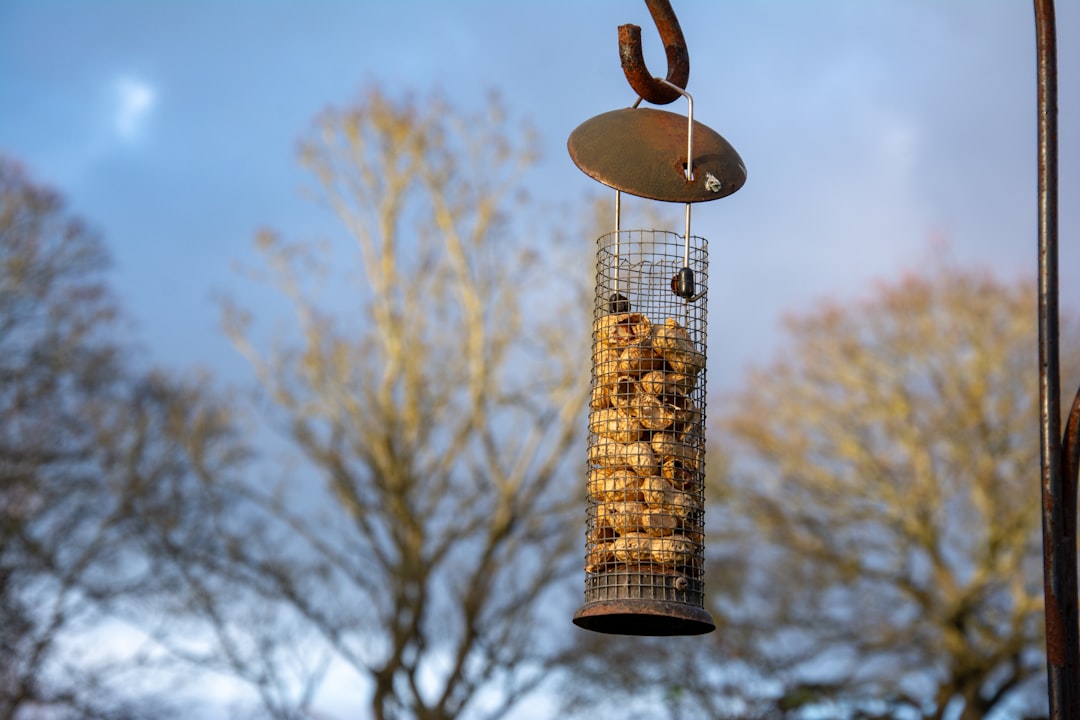
The foundation of selecting what is best bird feeder starts with understanding your options. Tube feeders are probably the most popular choice for good reason—they’re versatile, relatively squirrel-resistant, and perfect for smaller birds like finches, chickadees, and sparrows. These cylindrical feeders typically feature multiple perches and feeding ports, allowing several birds to dine simultaneously. I love that they protect seed from the elements and can hold enough food to last several days.
Platform or tray feeders offer the most universal appeal. They’re essentially flat surfaces with raised edges, and they attract the widest variety of birds—from cardinals to blue jays to mourning doves. The open design makes it easy for birds to spot the food, and you can offer multiple seed types at once. The trade-off? They’re more exposed to weather and require more frequent cleaning. I recommend models with drainage holes and removable screens for easier maintenance.
Hopper feeders, sometimes called house feeders, are my personal favorite for a reason that goes beyond function—they’re simply beautiful. These architectural designs hold seed in a central chamber that dispenses food as birds eat from the perches below. They protect seed from rain and snow better than platform feeders while holding substantial amounts of food. Many designs look like charming little houses that add decorative appeal to your garden. For more inspiration on incorporating functional design elements into your outdoor space, best bird feeder design for your home offers excellent styling ideas.
Specialty feeders round out your options. Suet feeders (wire cages) attract woodpeckers, nuthatches, and other insect-eating birds. Nyjer or thistle feeders have tiny ports designed specifically for small seeds that goldfinches adore. Hummingbird feeders with their nectar reservoirs create stunning displays when these jewel-toned birds visit. According to the Cornell Lab of Ornithology, offering multiple feeder types can increase the diversity of bird species visiting your yard by up to 300%.
Choosing the Best Material for Your Bird Feeder
Material quality matters enormously when determining what is best bird feeder for durability and bird safety. Metal feeders, particularly those made from powder-coated steel or copper, are incredibly long-lasting and resist squirrel damage beautifully. I’ve had a copper tube feeder for five years that’s developed a gorgeous patina while remaining structurally perfect. Metal also doesn’t harbor bacteria as easily as some materials, making it a healthier choice for your feathered visitors.
Wood feeders bring undeniable charm and blend naturally into garden settings. Cedar and recycled plastic lumber are your best bets for weather resistance—regular pine or untreated wood will deteriorate quickly in outdoor conditions. I appreciate how wooden feeders can be painted or stained to match your home’s exterior or garden color scheme. Just be aware that wood requires more maintenance than other materials, and you’ll need to inspect regularly for mold or mildew, especially in humid climates.
Plastic and acrylic feeders often get dismissed, but high-quality versions are fantastic performers. UV-stabilized polycarbonate won’t crack or fade in sunlight, and clear plastic lets you monitor seed levels at a glance. They’re lightweight, affordable, and incredibly easy to clean—just pop them in the dishwasher. The key is avoiding cheap, thin plastic that becomes brittle after one season. Look for feeders labeled as BPA-free with at least a 5mm thickness.
Glass feeders are the luxury option, and if you’re designing an upscale outdoor living space, they’re absolutely stunning. Hand-blown glass hummingbird feeders or seed feeders with decorative glass components become garden art. They’re easy to clean and don’t retain odors, but they’re also the most fragile option. I recommend glass feeders for protected areas like covered patios rather than exposed positions where they might suffer storm damage.
Best Bird Feeders by Bird Species
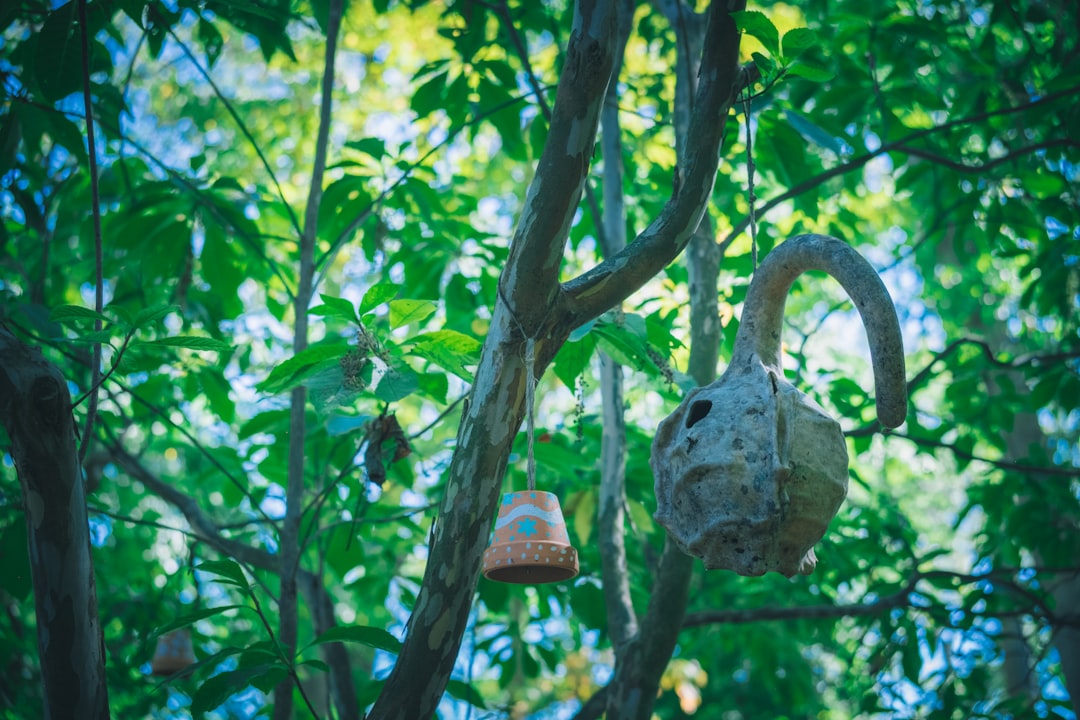
Matching the feeder to your target birds makes all the difference. For finches—including goldfinches, purple finches, and house finches—you’ll want tube feeders with small perches or dedicated nyjer feeders. These birds prefer clinging to feeders while eating, and they’re specifically attracted to thistle and nyjer seeds. I’ve found that finches are particularly loyal once they discover a reliable food source, so investing in a quality finch feeder pays dividends in entertainment value.
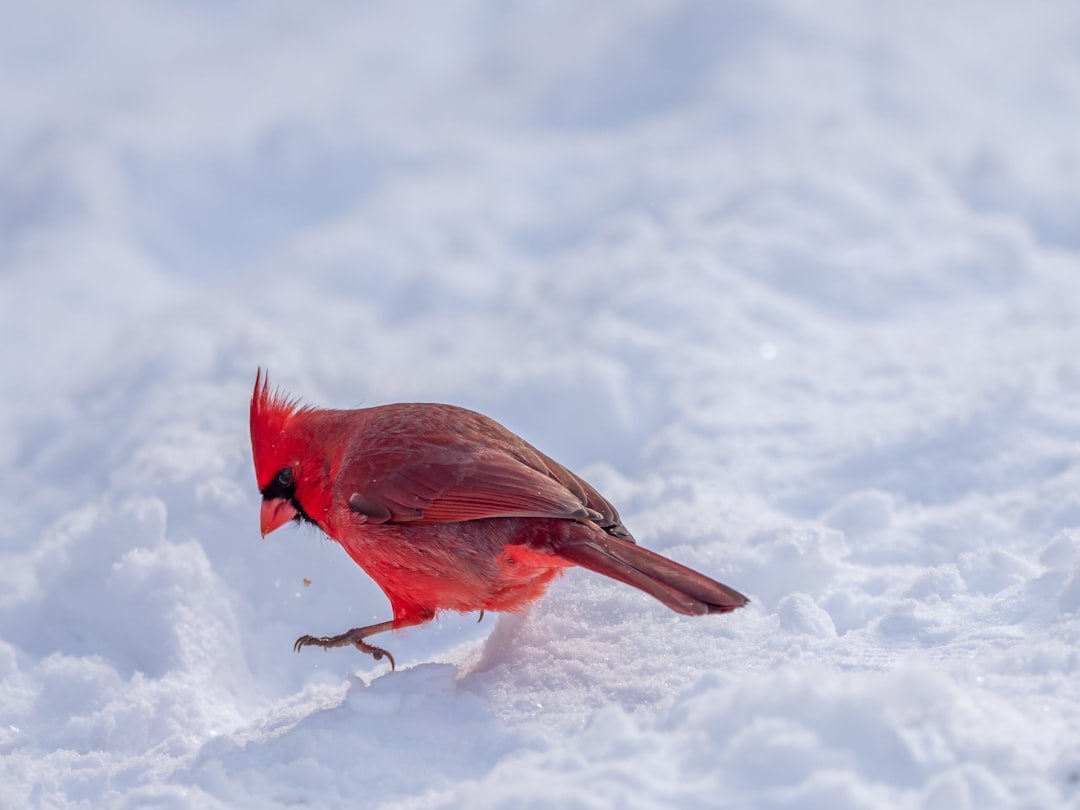
Cardinals, blue jays, and other larger songbirds need substantial perching space. Platform feeders or hopper feeders with wide ledges work beautifully for these species. Cardinals especially appreciate feeders positioned at shrub height (3-5 feet) rather than hanging high, as they’re ground-feeding birds by nature. Sunflower seeds—both black oil and striped varieties—are their favorite. I’ve watched cardinals become so comfortable with a well-placed platform feeder that they’ll visit multiple times throughout the day.
Woodpeckers, nuthatches, and chickadees are your suet lovers. These insect-eating birds need the high-fat content that suet cakes provide, especially during winter months. Wire cage suet feeders work perfectly, though I’ve had great success with “upside-down” suet feeders that force birds to hang beneath the feeder—this deters starlings and grackles while allowing your desired species to feed comfortably. Position these on tree trunks or poles where woodpeckers naturally forage.
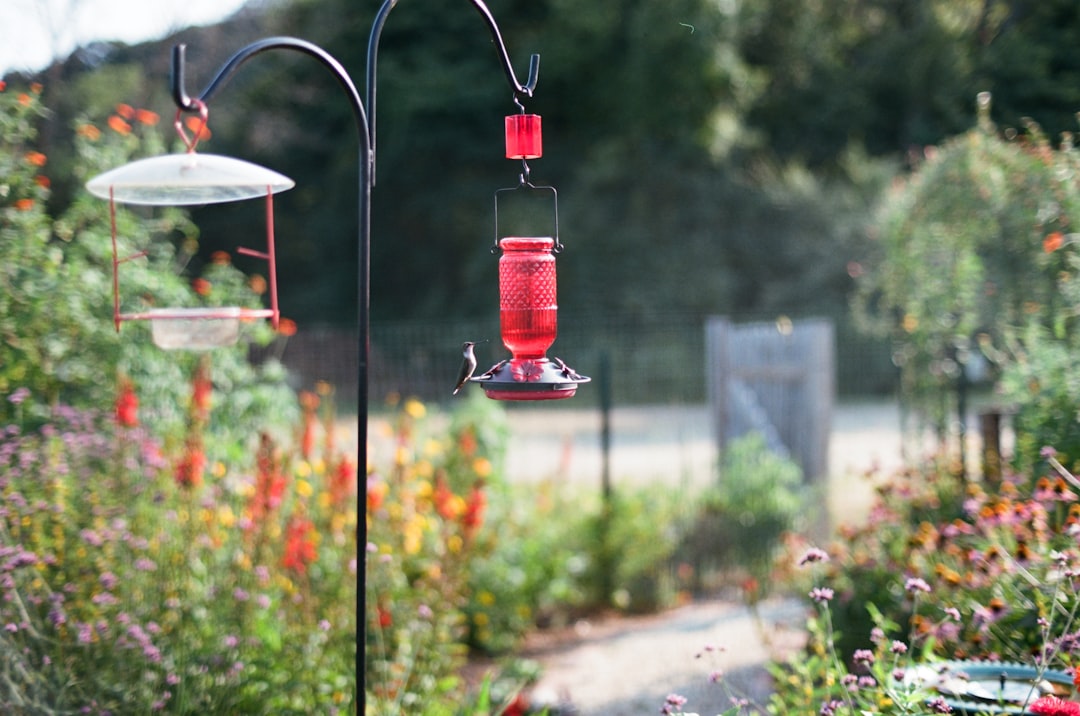
Hummingbirds require their own specialized feeders with nectar ports (never use feeders with yellow bee guards—opt for red, which attracts hummingbirds without attracting as many insects). The formula is simple: one part white sugar to four parts water, no dye needed. I hang multiple hummingbird feeders around my patio because these territorial little birds will guard “their” feeder fiercely. Having several feeders ensures that dominant males don’t prevent others from feeding.
Squirrel-Proofing and Placement Strategies
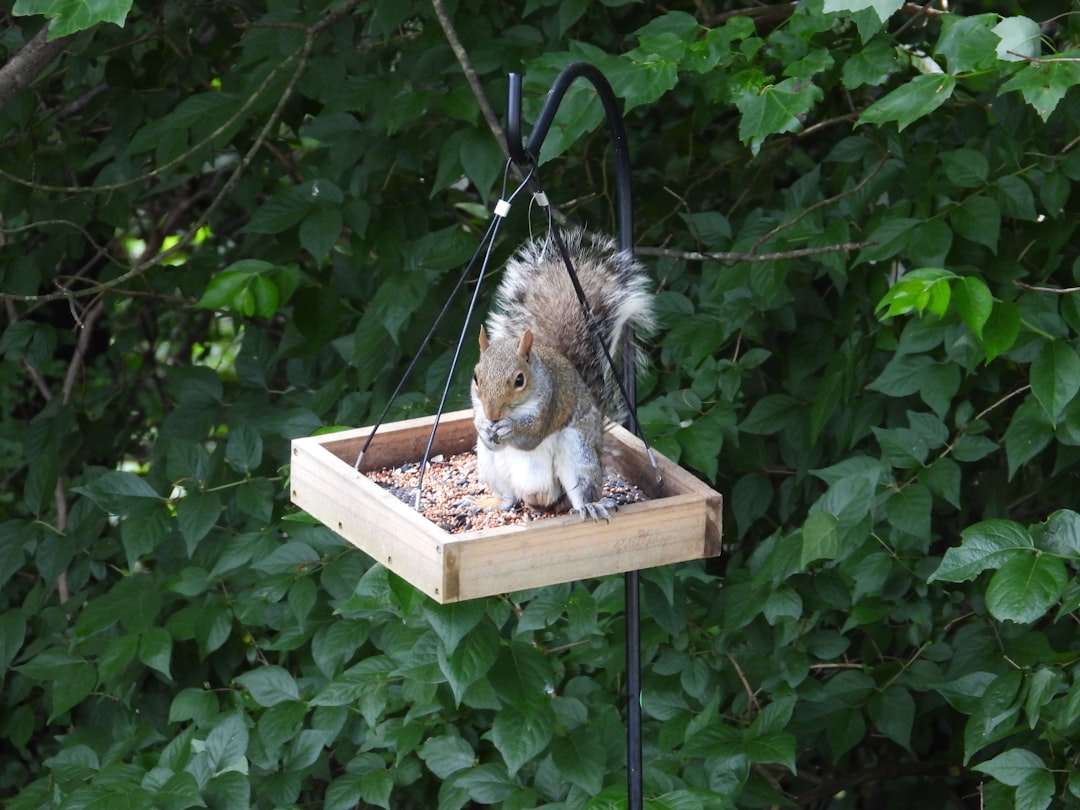
Let’s address the elephant in the room—or rather, the squirrel in the garden. Determining what is best bird feeder often comes down to squirrel resistance. I’ve battled these acrobatic raiders for years, and I can tell you that true squirrel-proof feeders do exist. Weight-activated feeders with closing mechanisms are highly effective—when a squirrel’s weight triggers the perch, a cage or shield blocks access to the seed ports. Birds are light enough to feed normally while squirrels find themselves locked out.
Baffles are your second line of defense and work remarkably well when installed correctly. Pole baffles should be positioned at least 4-5 feet off the ground and 8-10 feet away from any jumping-off points like trees, fences, or structures. Dome baffles above hanging feeders prevent squirrels from descending from above. I use both types in my yard, and they’ve reduced squirrel raids by about 90%. That remaining 10%? Some squirrels are just Olympic-level athletes, and you have to admire their determination.
Strategic feeder placement matters as much as the feeder design itself. Position feeders where you can enjoy watching from inside your home, but also consider bird safety. Windows pose a significant collision risk—place feeders either within 3 feet of windows (so birds can’t build up dangerous speed) or more than 10 feet away. I’ve found that placing feeders 5-6 feet from nearby shrubs or trees gives birds a quick escape route from predators while keeping squirrels from using those same branches as launch pads.
Consider creating different feeding zones in your yard for different bird types. I maintain three distinct areas: a tube feeder station for small songbirds near my kitchen window, a platform feeder in the mid-yard for larger birds, and a suet feeder attached to a mature oak tree. This separation reduces competition and aggression among species while giving me multiple viewing opportunities throughout my home. It’s like having several television channels all showing the nature documentary of your dreams.
Maintenance and Cleaning Best Practices
Here’s what most people get wrong about bird feeders: they focus on initial setup and forget about ongoing maintenance. A dirty feeder isn’t just unappetizing to birds—it’s genuinely dangerous. Moldy seed and accumulated droppings can spread diseases like salmonella and aspergillosis among bird populations. I clean my feeders every two weeks during mild weather and weekly during hot, humid summers when bacterial growth accelerates. Trust me, this routine makes all the difference in bird health and feeder longevity.
My cleaning process is straightforward but thorough. I disassemble the feeder completely and soak all parts in a solution of one part white vinegar to four parts hot water for about 30 minutes. This natural disinfectant kills bacteria without leaving harmful residues. For stubborn mold or stuck-on debris, a bottle brush designed for narrow openings (like baby bottle brushes) works wonders on tube feeder ports. After scrubbing, I rinse everything thoroughly with clean water and allow components to air dry completely before refilling.
Seed quality and storage directly impact feeder cleanliness. I learned this the hard way after storing seed in my garage during a humid summer—the whole bag went rancid within weeks. Now I keep bird seed in airtight metal containers in a cool, dry location, and I never fill feeders completely. Adding just 2-3 days worth of seed at a time ensures birds consume it before it spoils. If you notice seed going uneaten or sprouting inside the feeder, you’re filling it too much or the seed quality is poor.
Seasonal maintenance requires special attention. Before spring migration, give feeders a deep clean to welcome returning birds with pristine dining conditions. In fall, inspect all feeders for wear—check that perches are secure, ports aren’t cracked, and hanging hardware is rust-free. I replace any questionable components during this annual inspection. Winter feeding is actually the most critical time for consistent maintenance since natural food sources are scarce and birds rely heavily on supplemental feeding.
| Feeder Type | Best Bird Species | Seed Capacity | Price Range | Maintenance Level |
|---|---|---|---|---|
| Tube Feeder | Finches, chickadees, sparrows | 1-5 lbs | competitive price range | Low |
| Platform Feeder | Cardinals, jays, doves, sparrows | 2-5 lbs | competitive price range | Moderate |
| Hopper Feeder | Most seed-eating birds | 3-8 lbs | competitive price range | Low |
| Suet Feeder | Woodpeckers, nuthatches, wrens | 1-2 suet cakes | competitive price range | Very Low |
| Nyjer Feeder | Goldfinches, siskins | 1-3 lbs | competitive price range | Low |
| Hummingbird Feeder | Hummingbirds | 8-32 oz nectar | competitive price range | Moderate-High |
Pro Tips for Successful Bird Feeding
After years of trial and error, I’ve discovered that timing your feeder installation matters more than you’d think. Spring and fall migrations are the absolute best times to start feeding because birds are actively seeking new food sources. If you establish a reliable feeding station during these peak movement periods, birds will remember your location and return year after year. I’ve had the same cardinal pair visit my feeder for three consecutive years now—they clearly have my address memorized.
Layer your offerings to maximize bird diversity. Instead of putting all your effort into one premium feeder, consider starting with three moderate-quality feeders offering different food types: a tube feeder with black oil sunflower seeds, a platform feeder with mixed seed, and a suet feeder. This variety attracts different species and reduces competition. As you observe which birds visit most frequently, you can adjust your feeding strategy accordingly. I started with four feeders and eventually settled on six distinct stations throughout my half-acre yard.
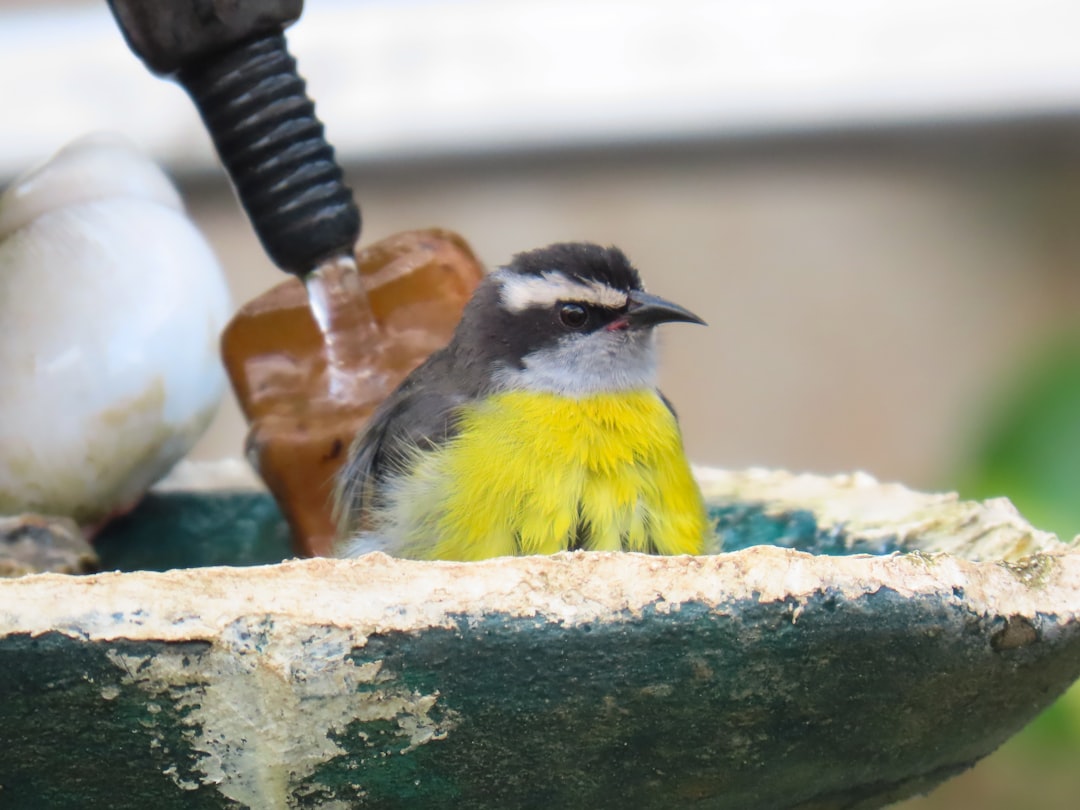
Water sources are just as important as food but often overlooked. Adding a birdbath near your feeding area increases bird activity dramatically—they need water for drinking and bathing year-round. Position the bath in an open area with clear sightlines so birds can watch for predators while bathing. During winter, a heated birdbath becomes the neighborhood hotspot when natural water sources freeze. I’ve watched my winter bird counts triple simply by providing reliable water alongside food.
Understand that establishing a successful feeding station takes patience. Don’t be discouraged if birds don’t immediately flock to your new feeder. It can take anywhere from a few days to several weeks for birds to discover and trust a new food source. Keep feeders consistently filled and positioned in the same location—moving feeders around confuses birds and resets the discovery process. I’ve found that birds are creatures of habit, and once they establish a feeding route that includes your yard, they’ll visit reliably.
Predator awareness is crucial for ethical bird feeding. If you notice cats stalking your feeding area or hawks making regular visits, you’re inadvertently creating a hunting ground. Relocate feeders to safer positions with nearby escape cover or add protective screening around ground-level feeders. I installed a decorative fence section with dense plantings around my platform feeder, which gives ground-feeding birds quick refuge without blocking my view. Bird feeding should enhance bird populations, not endanger them.
Experiment with seasonal offerings to maintain year-round interest. Summer feeding has gotten more popular recently, and birds absolutely appreciate supplemental food during breeding season when they’re feeding nestlings. However, switch to no-mess seed blends (hulled sunflower chips, peanut pieces) during hot months to avoid sprout messes beneath feeders. In winter, high-fat options like suet, peanut butter mixtures, and sunflower seeds provide the calories birds need to maintain body temperature during cold nights.
Document your bird visitors with photos or a simple journal—this transforms bird feeding from passive observation to engaging hobby. I keep a small notebook by my window where I log new species sightings and track which feeders are most popular. Over time, you’ll notice patterns like seasonal visitors, peak feeding times, and preferred food types. This information helps you refine your setup and creates a wonderful record of the wildlife you’ve attracted. My feeding journal has become one of my favorite possessions, filled with sketches, notes, and pressed feathers I’ve found.
Frequently Asked Questions
What is the best bird feeder for attracting the most birds?
Platform or tray feeders attract the widest variety of bird species because they accommodate birds of all sizes and offer an open, easily accessible feeding surface. These feeders appeal to both ground-feeding birds like doves and mourning doves as well as perching birds like cardinals, jays, and sparrows. For maximum diversity, I recommend pairing a platform feeder with a tube feeder—this combination attracts small clinging birds like finches and chickadees to the tube feeder while larger species visit the platform. Position the platform feeder at about 5 feet height with nearby shrubs for bird safety. Using a mixed seed blend on platform feeders ensures something appeals to every visitor, though black oil sunflower seeds are universally popular and attract the most species.
How often should I clean my bird feeder in 2026?
Clean bird feeders every two weeks during spring and fall, and weekly during summer’s hot, humid months when bacteria and mold grow rapidly. Winter cleaning can extend to every three weeks if conditions are dry and cold. I use a simple solution of one part white vinegar to four parts hot water, soaking all feeder components for 30 minutes before scrubbing with a bottle brush and rinsing thoroughly. Allow feeders to air dry completely before refilling. Signs you need to clean more frequently include visible mold, clumped or wet seed, or birds suddenly avoiding a previously popular feeder. Platform feeders require the most frequent cleaning since they’re exposed to the elements and bird droppings accumulate on the flat surface. Consistent cleaning prevents disease transmission among bird populations and actually attracts more birds because they prefer clean feeding stations.
What type of bird feeder is most squirrel-proof?
Weight-activated feeders with closing mechanisms are the most effective squirrel-proof design because they physically block access when a squirrel’s weight (typically over 3-4 ounces) triggers the mechanism. Brands like Squirrel Buster and Brome use spring-loaded perches that close feeding ports under squirrel weight while allowing lighter birds to feed normally. For absolute squirrel prevention, combine a weight-activated feeder with proper baffles—use a pole-mounted baffle positioned at least 5 feet high and 8-10 feet from jumping-off points. I’ve also had excellent results with caged feeders where the seed tube sits inside a metal cage with openings large enough for small birds but too small for squirrels. The truth is no feeder is 100% squirrel-proof against determined individuals, but these designs reduce raids by 90% or more in my experience.
Where should I place a bird feeder in my yard?
Place bird feeders 10-15 feet from dense cover like shrubs or trees, which gives birds a safe escape route from predators while preventing squirrels from easily jumping onto feeders. Position feeders where you’ll enjoy watching from inside your home, but avoid placing them directly against windows—maintain either less than 3 feet from glass (so birds can’t build collision speed) or more than 10 feet away. I’ve found that morning sun exposure is ideal because birds feed most actively in early hours and the sunlight illuminates colorful plumage beautifully. Avoid placement directly under trees where droppings from birds above will soil the feeder, and ensure adequate clearance from roof eaves if you live in areas with predatory birds. Multiple feeding stations throughout your yard reduce competition and allow you to observe different species from various rooms in your home.
What is the best seed to put in a bird feeder?
Black oil sunflower seeds are the single best all-purpose bird seed because they attract the widest variety of species including cardinals, chickadees, finches, nuthatches, and jays. These seeds have thin shells that are easy for birds to crack, and they’re packed with fat and protein. For finches specifically, nyjer (thistle) seed is essential—they’re drawn to it like magic. I avoid cheap mixed seed blends with high filler content like milo, wheat, and cracked corn, which most desirable songbirds will kick to the ground while searching for preferred seeds. Instead, I use either pure black oil sunflower or premium no-waste blends with hulled sunflower chips, peanut pieces, and safflower seeds. Safflower is particularly useful because most birds love it but squirrels and grackles generally avoid it. Always store seed in airtight containers to prevent spoilage and only fill feeders with 2-3 days worth of food at a time.
Creating Your Perfect Bird-Friendly Garden
Choosing what is best bird feeder ultimately comes down to understanding your goals, your space, and the birds you most want to attract. I hope this guide has given you the confidence to select feeders that will transform your outdoor space into a thriving bird sanctuary. Remember that bird feeding is as much about the journey as the destination—you’ll learn something new with every season, and the joy of watching birds becomes more rewarding as you recognize individual visitors and their behaviors.
Start simple if you’re new to bird feeding. A single quality hopper feeder with black oil sunflower seeds will attract a surprising variety of birds and teach you about the species in your area. As your interest grows, expand your offerings with specialty feeders for specific birds. Keep feeders clean, offer fresh food consistently, and give birds time to discover your feeding station. Before long, you’ll find yourself planning your morning coffee around peak feeding times, and your yard will become the neighborhood gathering place for dozens of feathered friends. Trust me, there’s no better way to connect with nature right in your own backyard.