

I still remember the morning I looked out my kitchen window and saw three bright cardinals perched on my new bird feeder—it was like the garden had suddenly come alive with color and movement. There’s something magical about bringing nature closer to your home, and choosing the best bird feeder design isn’t just about feeding birds; it’s about creating a living piece of art that transforms your outdoor space into a dynamic gallery. Whether you’re working with a cozy balcony or a sprawling backyard, the right feeder becomes a focal point that brings joy every single day.
I’ve spent years helping homeowners blend functionality with aesthetics, and bird feeders are one of my favorite recommendations for adding visual interest to exterior walls, garden posts, and even interior window views. The best bird feeder design combines architectural appeal with practical features that actually attract birds—because let’s face it, a beautiful feeder that sits empty defeats the purpose entirely. You’ll want to consider materials that weather gracefully, colors that complement your home’s palette, and structural elements that create movement and shadow play throughout the day.
In this guide, I’m sharing everything I’ve learned about selecting bird feeders that serve double duty as exterior decor and functional wildlife habitats. You’ll discover which designs work best for different architectural styles, how to create a cohesive look that enhances your home’s curb appeal, and the insider secrets that make certain feeders irresistible to our feathered friends.
| Price Range | competitive price range+ depending on materials and complexity |
| Best Placement | 5-6 feet high, visible from main living areas |
| Top Materials | Copper, wrought iron, cedar, powder-coated steel |
| Maintenance Level | Low to moderate (weekly cleaning recommended) |
| Design Impact | High—creates movement, color, and visual interest |
| Best For | Garden walls, patio posts, window views, landscape focal points |
Architectural Styles That Elevate Your Exterior
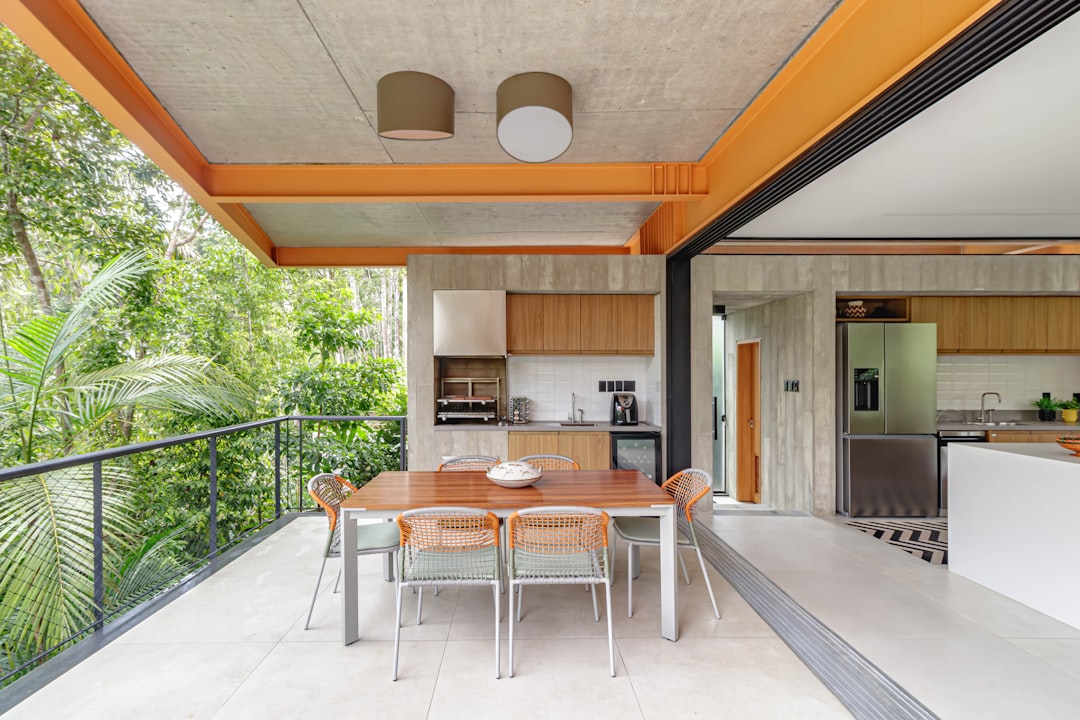
The architecture of your bird feeder should echo the design language of your home—it’s that simple, yet so many people overlook this connection. I love how a sleek, geometric feeder with clean lines can complement a modern home’s aesthetic, while an ornate Victorian-style feeder feels perfectly at home against traditional siding. Think of your feeder as an extension of your home’s architectural details, not just a functional add-on.
For contemporary homes, I always recommend feeders with minimalist profiles—think tubular glass designs with brushed metal accents or simple platform feeders in matte black or bronze finishes. These designs create beautiful silhouettes against modern facades without competing for attention. The National Audubon Society notes that platform feeders also happen to attract the widest variety of bird species, making them both stylish and practical.
If you’re working with a farmhouse, cottage, or traditional home, cedar and wood-composite feeders with pitched roofs and decorative trim details feel authentic and charming. I particularly love designs that incorporate small architectural elements like shingle roofing, shuttered openings, or tiny cupolas—they read as miniature garden structures that add whimsy and character. Trust me, these details make all the difference when you’re viewing the feeder from inside your home throughout the day.
Craftsman-style homes benefit from feeders that showcase natural materials and visible joinery. Look for designs with exposed wood beams, copper accents that will develop a beautiful patina over time, and sturdy, honest construction that reflects the Arts and Crafts movement’s principles. The contrast between the feeder’s warm wood tones and your home’s exterior creates a cohesive, intentional look that feels curated rather than random.
Material Matters: Durability Meets Design
Here’s what most people get wrong: they choose a feeder based solely on looks without considering how materials will age in their specific climate. I’ve seen gorgeous feeders turn into eyesores within a single season because the wrong material was exposed to harsh elements. The best bird feeder design incorporates materials that not only look beautiful now but will develop character gracefully over time.
Copper is hands-down one of my favorite materials for bird feeders. Yes, it’s pricier upfront, but the investment pays off in longevity and evolving beauty. Copper develops that coveted verdigris patina—that soft blue-green finish that adds instant character and feels like an antique garden treasure. It’s naturally antimicrobial, which means healthier conditions for birds, and it won’t rust or deteriorate. I’ve seen copper feeders that are twenty years old still looking absolutely stunning with zero maintenance beyond basic cleaning.
Powder-coated steel offers incredible durability without the copper price tag. The coating protects against rust and weather damage while allowing for a wide range of color options. I love specifying charcoal gray or oil-rubbed bronze finishes for clients who want something that blends into garden backgrounds, or bold colors like deep red or cobalt blue for those who want the feeder to serve as a true statement piece. The finish holds up remarkably well, though you’ll want to inspect it annually for any chips that might need touch-ups.
Cedar and rot-resistant woods bring warmth and natural texture that synthetic materials simply can’t replicate. These feeders age beautifully, developing a silvery gray patina that feels organic and intentional. The key is ensuring the wood has been properly treated with bird-safe finishes—never use pressure-treated lumber or toxic stains. I recommend oiling cedar feeders once a year with a food-safe mineral oil to maintain their rich color if you prefer that look over the weathered gray.
Creating Visual Harmony with Color and Finish
Color is where you can really have fun while maintaining that designer’s eye for cohesion. I approach bird feeder color selection the same way I approach choosing throw pillows or wall art—it should connect to your overall exterior color palette while potentially introducing a complementary accent that brings energy to the space.
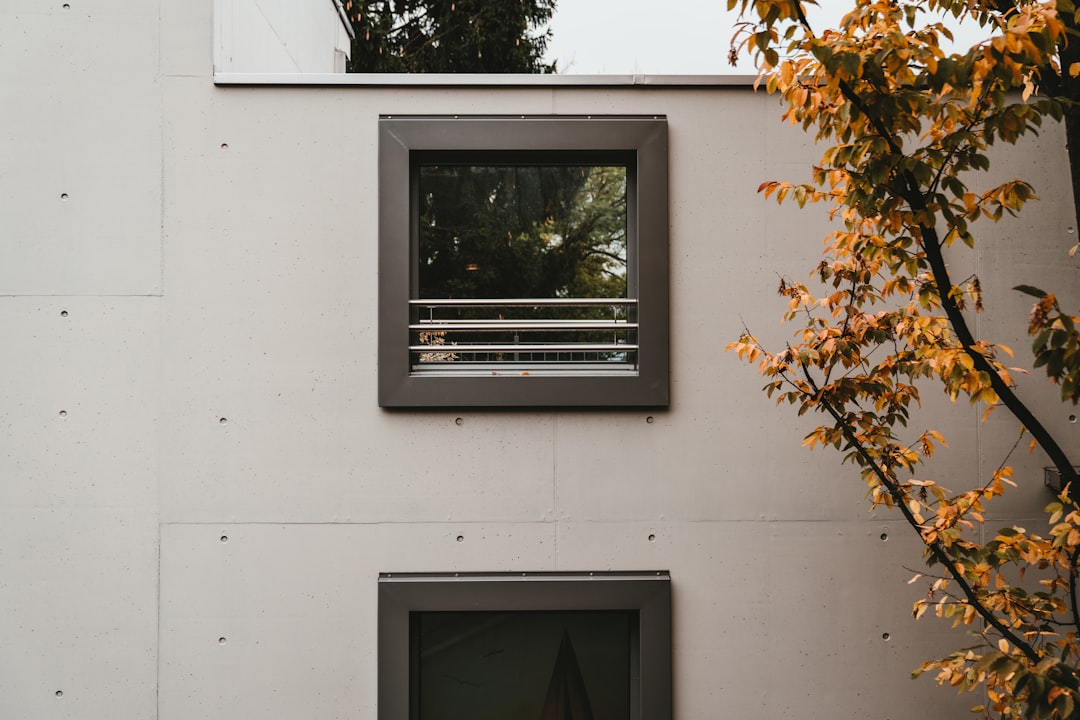
If your home features neutral exteriors—grays, whites, tans—you have wonderful freedom to either blend or contrast. A matte black or deep charcoal feeder creates sophisticated contrast that feels intentional and modern. On the other hand, a natural wood or weathered copper feeder blends harmoniously, allowing the birds themselves to provide the pops of color. I often suggest metallic finishes for neutral homes because they catch and reflect light beautifully, creating subtle sparkle throughout the day.
For homes with colorful exteriors, I typically recommend pulling a secondary or tertiary color from your palette rather than matching exactly. If you have a blue house with white trim, consider a white or cream feeder with blue accents, or go unexpected with a complementary warm tone like terracotta or bronze. According to HGTV’s wildlife experts, birds are actually attracted to certain colors, particularly yellow, red, and blue, so you’re not just creating visual appeal for yourself—you’re also making your feeder more inviting to your intended guests.
The finish texture matters tremendously for both aesthetics and function. Glossy finishes can feel cheap and out of place in natural settings, while matte and satin finishes read as more sophisticated and intentional. I love when feeders incorporate mixed finishes—perhaps a satin-painted body with polished metal accents—because it adds depth and visual interest from various viewing distances.
Scale and Proportion for Maximum Impact
This is where I see even design-savvy folks stumble—choosing a feeder that’s either too diminutive to make an impact or so oversized it overwhelms the space. The best bird feeder design considers the viewing distance and surrounding context to strike that perfect balance between presence and proportion.
As a general rule, feeders viewed from 10-15 feet away (like from a patio or deck) should be substantial enough to register as intentional design elements—I’m talking 12-18 inches in height or diameter. Smaller feeders at this distance read as afterthoughts rather than curated focal points. However, feeders placed right outside a window or on a small balcony can be more delicate, in the 8-12 inch range, since you’ll be appreciating them from just a few feet away.
Consider the feeder’s visual weight in relation to nearby elements. A large feeder hung from a substantial tree branch or mounted on a hefty post looks proportional and grounded. That same feeder dangling from a delicate shepherd’s hook or thin wire would look precarious and out of scale. I often suggest grouping multiple smaller feeders at varying heights rather than installing one large piece—this creates a more dynamic composition with layers and depth.
Don’t forget to think three-dimensionally. Some feeders are quite flat and profile nicely against walls or fences, while others are sculptural and meant to be viewed from multiple angles. If your feeder will be seen primarily from one direction—like through a specific window—a flatter design works beautifully. But if it’s a garden centerpiece viewed while walking around your yard, choose something with visual interest from all sides.
Design Features That Serve Both Form and Function
The most successful bird feeders are those where beauty and functionality are completely intertwined—where every design element serves a purpose beyond aesthetics. I get excited about feeders that demonstrate this kind of thoughtful design because they work harder for you on multiple levels.
Rooflines and overhangs aren’t just charming architectural details—they protect seed from rain and snow, preventing mold and waste while keeping birds dry during feeding. I love designs with generous roof overhangs that create distinct shadow lines throughout the day, adding visual drama while serving this practical purpose. Look for roofs with slight pitches that shed water effectively and materials that won’t warp or deteriorate when wet.
Perches and landing areas need to be both inviting to birds and visually integrated into the overall design. The best feeders incorporate perches that feel like natural extensions of the structure rather than obvious add-ons. I appreciate designs where perches echo other materials in the feeder—wood perches on wood feeders, metal perches on metal structures—creating visual unity. Size matters here too; perches should accommodate the birds you’re trying to attract without being so large they dominate the design.
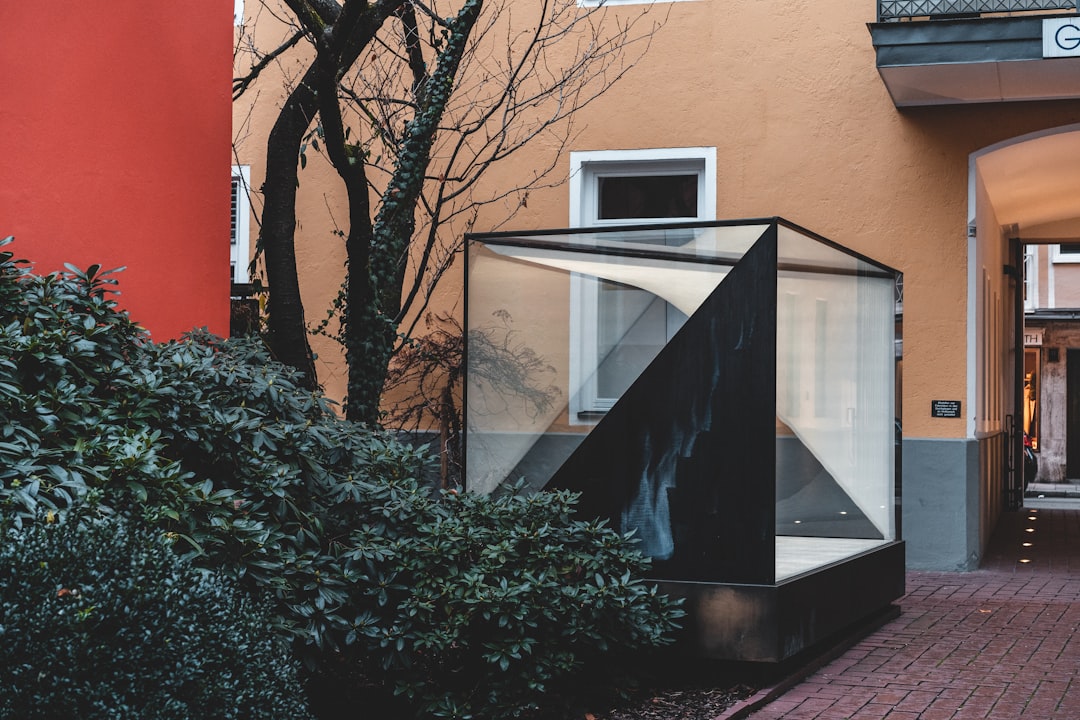
Transparent elements like glass or clear acrylic serve double duty brilliantly. They allow you to monitor seed levels without opening the feeder, preventing that awkward situation where birds arrive to find an empty restaurant. But they also create beautiful plays of light and shadow, especially when positioned where morning or evening sun can filter through. I’ve seen feeders positioned perfectly where afternoon light makes the seed glow like amber jewels—it’s absolutely stunning.
Drainage features are essential but often hidden in well-designed feeders. Look for designs with subtle drainage holes or slots that prevent water accumulation without being visually obvious. Poor drainage leads to mold, sick birds, and a feeder that needs constant maintenance—nobody wants that. The best designs integrate drainage so seamlessly you might not even notice it until you look closely.
| Design Style | Best Materials | Ideal Home Match | Price Point |
|---|---|---|---|
| Modern Minimalist | Powder-coated steel, glass tubes | Contemporary, mid-century modern | competitive price range |
| Traditional Charm | Cedar, wrought iron, copper accents | Colonial, farmhouse, cottage | competitive price range |
| Craftsman Character | Natural wood, copper, bronze | Arts & Crafts, bungalow, rustic | competitive price range |
| Sculptural Statement | Mixed metals, artistic glass, unique shapes | Eclectic, artistic, contemporary | competitive price range+ |
| Natural Rustic | Reclaimed wood, natural branches, bark | Cabin, lodge, woodland homes | competitive price range |
| Vintage Garden | Aged metals, distressed finishes, ornate details | Victorian, romantic, English garden | competitive price range |
Pro Tips for Selecting and Styling Bird Feeders
After years of helping clients integrate bird feeders into their outdoor design schemes, I’ve developed some insider strategies that make all the difference. First, always buy a feeder with easy-access cleaning features—removable bottoms, large openings, or panels that swing open. You’ll be cleaning this every week or two, and if it’s a hassle, you simply won’t do it. Trust me, a feeder that’s easy to maintain stays beautiful and functional, while difficult ones get neglected and become eyesores.
Consider creating a vignette rather than placing a single feeder in isolation. I love grouping a main feeder with complementary elements like a small bird bath, decorative garden stake, or flowering plants in coordinating containers. This creates a mini garden room that feels intentional and designed rather than random. The birds appreciate the variety too—they like having multiple dining options and a water source nearby.
Think about sightlines from inside your home when selecting placement. The best bird feeder design is worthless if it’s positioned where you can’t enjoy watching it. I always map out which windows offer the best views and position feeders accordingly, usually 15-20 feet from the window to give birds comfortable distance while keeping them clearly visible. Morning light is particularly magical, so east-facing placements create beautiful backlit scenes with your coffee.
Invest in squirrel baffles or deterrents that match your feeder’s design aesthetic. Nothing ruins a beautiful setup faster than an ugly plastic squirrel guard that clashes with your carefully chosen materials. Many high-end feeders come with integrated squirrel-resistant features, but if you need add-ons, look for ones in matching metals or materials that feel cohesive rather than like obvious afterthoughts.
Use your feeder to establish a garden color story by coordinating it with nearby plantings. If you choose a copper feeder that will develop blue-green patina, plant blue salvia or purple coneflowers nearby to echo those tones. A red feeder pairs beautifully with yellow black-eyed Susans for a warm, vibrant color scheme. This kind of thoughtful coordination elevates your entire outdoor space from random to refined.
Don’t underestimate the power of proper mounting and installation. A beautiful feeder hanging crooked or wobbling in the wind loses all its design impact. Invest in quality mounting hardware—sturdy shepherd’s hooks, substantial wall brackets, or secure post systems that hold everything level and stable. The visual difference between a properly installed feeder and a listing one is night and day.
Finally, consider the seasonal evolution of your feeder’s