

There’s something truly magical about watching birds gather in your garden, their vibrant colors and cheerful songs bringing life to your outdoor space. But let me tell you, nothing dampens that joy quite like watching a determined squirrel raid your bird feeder for the third time in one morning! I’ve spent years perfecting my garden’s bird-feeding setup, and I’ve learned that finding the best bird feeder to keep squirrels out isn’t just about protecting your birdseed—it’s about creating a peaceful sanctuary where your feathered friends can dine undisturbed while complementing your home’s exterior design.
Squirrels are remarkably persistent creatures, and while they’re entertaining in their own right, they can quickly empty a bird feeder and intimidate smaller birds. The good news? In 2026, we have access to incredibly clever feeder designs that outsmart even the craftiest squirrels. Through trial and error (and yes, some entertaining backyard moments), I’ve discovered which features actually work and which are just marketing fluff.
Today, I’m sharing everything I’ve learned about squirrel-proof bird feeders, from weight-activated mechanisms to strategic placement techniques. Whether you’re designing a cottage garden aesthetic or maintaining a modern minimalist outdoor space, you’ll find practical solutions that work beautifully with your home’s style while giving birds the peaceful feeding station they deserve.
| Quick Info | Details |
|---|---|
| Most Effective Feature | Weight-activated perches that close feeding ports |
| Material Matters | Metal construction over plastic for durability |
| Ideal Placement | 10+ feet from jumping points, 5+ feet high |
| Maintenance Level | Weekly cleaning, daily monitoring initially |
| Best For | Yards with persistent squirrel populations |
| Design Bonus | Attractive finishes that enhance outdoor décor |
Understanding Why Traditional Feeders Fail
Before we dive into solutions, let’s talk about why most bird feeders become squirrel buffets. I learned this the hard way when I first started my backyard bird sanctuary. Squirrels can leap up to ten feet horizontally and four feet vertically—they’re basically tiny acrobats with bottomless appetites. Traditional tube feeders and platform feeders simply weren’t designed with these athletic abilities in mind.
The average squirrel weighs between one and two pounds, while most songbirds weigh just a fraction of that—often less than an ounce. This weight difference is actually the secret weapon that effective squirrel-proof feeders exploit. When you’re selecting a feeder, you want one that can distinguish between a lightweight chickadee and a hefty squirrel. Trust me, this makes all the difference in your bird-watching experience.
Another common mistake I see is assuming that any feeder labeled “squirrel-resistant” will work. Here’s what most people get wrong: there’s a big difference between resistant and proof. Resistant feeders might slow squirrels down, but determined ones will eventually figure them out. If you’re investing in a best bird feeder for your garden, you want truly effective mechanisms that squirrels can’t overcome, no matter how persistent they are.
The placement of your feeder matters just as much as the feeder itself. I’ve watched squirrels launch themselves from tree branches, deck railings, and even roof edges to reach feeders that seemed safely positioned. Creating a “squirrel-proof zone” around your feeder is essential for success, and it’s something we’ll explore in detail throughout this guide.
Weight-Activated Mechanisms That Actually Work
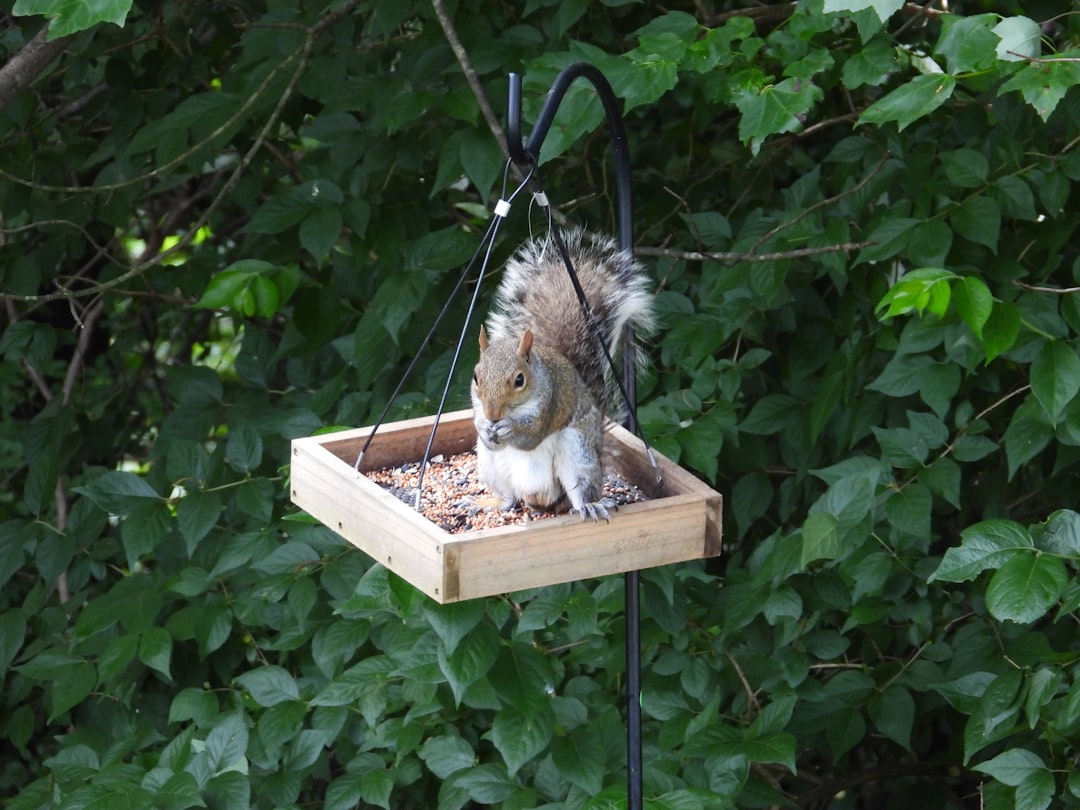
Weight-activated feeders are hands-down the most reliable solution I’ve found for keeping squirrels at bay. These clever designs feature perches or feeding ports that remain open for lightweight birds but automatically close when something heavier (like a squirrel) attempts to feed. The mechanism is simple but brilliantly effective—when a squirrel’s weight triggers the sensor, a metal shroud drops down or the perch collapses, denying access to the seed.
I particularly love feeders with adjustable weight settings because they give you control over which birds can access the food. If you’re specifically trying to attract smaller songbirds, you can set the sensitivity higher. For larger birds like cardinals or jays, a lower setting works beautifully. This customization isn’t just about squirrel prevention—it’s about curating your backyard bird community.
The Squirrel Buster series has been a game-changer in my garden. Their weight-activated technology is so sensitive that even juvenile squirrels can’t cheat the system. I’ve watched squirrels try every angle imaginable—hanging upside down, reaching from the top, attempting group efforts—and the feeder remains impenetrable. The bronze and hunter green finishes also look gorgeous against my garden’s natural backdrop.
When shopping for weight-activated feeders, look for all-metal construction, especially around the feeding ports and weight mechanism. Squirrels have incredibly strong teeth that can chew through plastic in minutes. I learned this lesson after a determined squirrel destroyed a partially-plastic feeder I thought was secure. Metal components ensure longevity and maintain the integrity of the weight-sensitive mechanism over time.
Caged Feeders for Small Bird Sanctuary
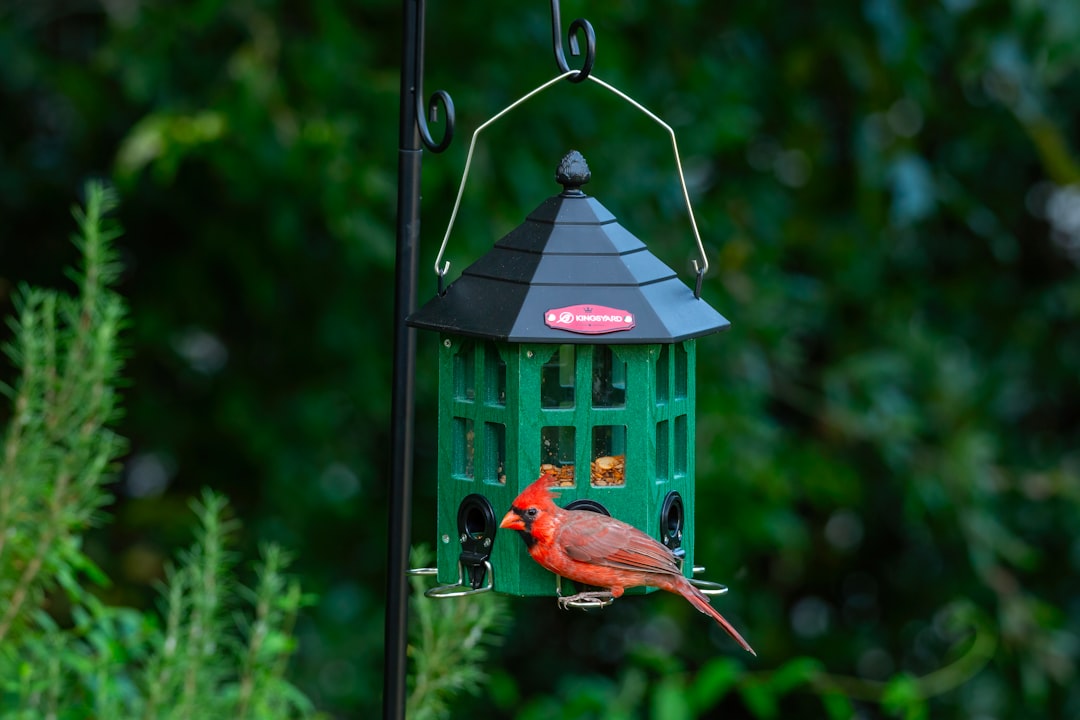
Caged feeders offer a different approach that I find particularly elegant for certain garden styles. These feeders surround the feeding area with a metal cage that has openings large enough for small birds to enter but too small for squirrels to squeeze through. The aesthetic is wonderfully architectural—I’ve incorporated caged feeders into both contemporary and traditional garden designs with equally stunning results.
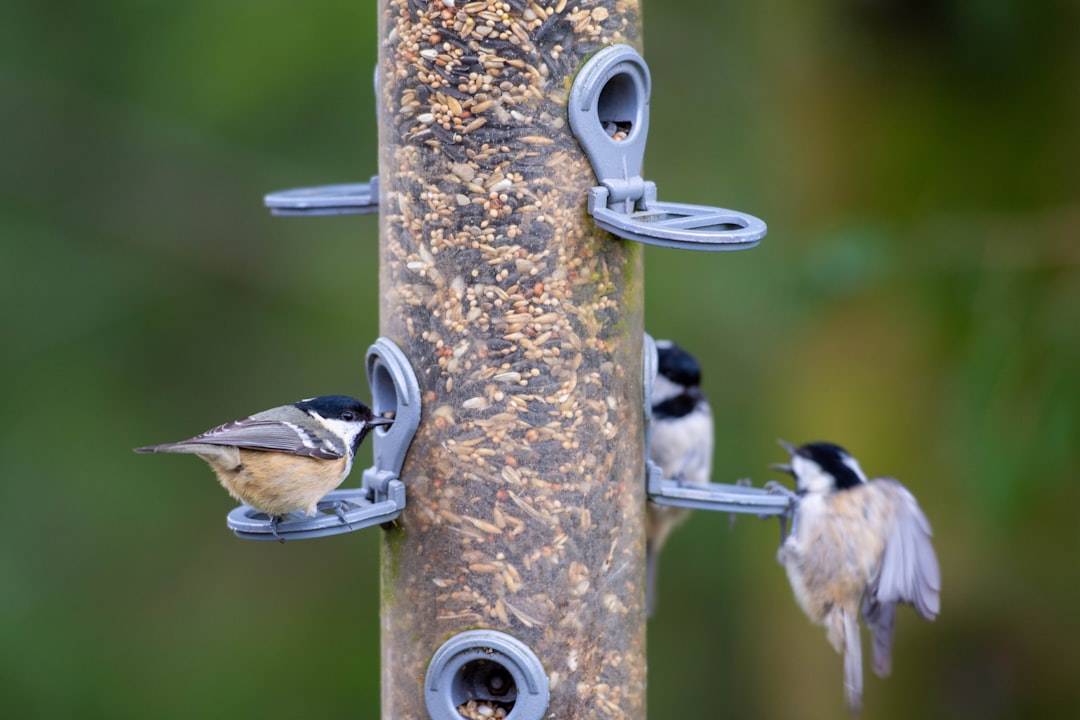
The spacing of the cage bars is critical. You want openings around 1.5 inches square for optimal results. This allows chickadees, finches, nuthatches, and other small songbirds easy access while completely excluding squirrels. Larger birds like blue jays won’t be able to enter either, which can be a pro or con depending on your bird-watching preferences. In my experience, caged feeders create peaceful feeding areas where smaller, shyer birds feel safe from both squirrels and their more aggressive avian cousins.
I’ve found that positioning caged feeders near dense shrubbery works beautifully. Small birds appreciate having quick escape routes nearby, and the combination of protective cage and natural cover makes them feel secure enough to linger. This setup has transformed a corner of my patio into a delightful viewing area where I can enjoy my morning coffee while watching finches and chickadees dart in and out. If you’re considering various bird feeder designs for your space, caged options provide both function and visual interest.
For maintenance, caged feeders are wonderfully practical. The outer cage protects the inner tube or hopper from weather and debris, which means you’ll spend less time cleaning. I remove the cage monthly for a thorough wash, but the feeder itself stays remarkably clean between deep cleans. The powder-coated finishes available in black, bronze, or forest green complement virtually any exterior color scheme.
Baffle Systems and Strategic Placement
Even the best squirrel-proof feeder can be defeated by poor placement. I’ve spent considerable time perfecting the positioning of my feeders, and I can tell you that baffles are your secret weapon for creating an impenetrable defense. A baffle is essentially a barrier—either dome-shaped or cylindrical—that prevents squirrels from climbing up poles or sliding down hanging chains to reach your feeder.
For pole-mounted feeders, I always use a quality metal baffle positioned at least four feet above ground. The dome should be at least 15 inches wide with a smooth, slippery surface. Squirrels will attempt to climb around it, but a properly sized baffle makes this impossible. I’ve watched squirrels slide down my baffled pole repeatedly, eventually giving up in frustration. It’s entertaining and effective.
Hanging feeders require a different baffle approach. Install a dome baffle above the feeder on the hanging chain or wire. This prevents squirrels from shimmying down from above. The key is ensuring the feeder hangs far enough from any launch points—and I mean really far. According to research from the Wikipedia entry on Eastern gray squirrels, these acrobats can jump up to ten feet horizontally, so position your feeder at least that distance from trees, fences, or buildings.
I’ve created what I call a “squirrel-free zone” in my yard using this formula: hang or mount feeders at least five feet high, ten feet from horizontal jumping points, and four feet below any overhead structures. Combine this placement with a quality baffle system, and you’ve essentially created a force field that squirrels can’t penetrate. The initial setup takes some spatial planning, but once you’ve established these zones, your feeders remain squirrel-free with minimal intervention.
Material Choices That Resist Chewing and Weather
The materials your feeder is constructed from determine not just its squirrel resistance but also its longevity and appearance in your outdoor space. I’ve gone through enough feeders to know that cutting corners on material quality is a false economy. Squirrels can chew through cheap plastic in a single afternoon, and wooden feeders, while charming, often become damaged or weathered quickly.
Metal is my top material recommendation, specifically powder-coated steel or aluminum. These materials are virtually indestructible to squirrel teeth and resist rust and corrosion beautifully. I have metal feeders that have been in my garden for over five years and still look pristine. The powder-coating comes in gorgeous finishes—I’m particularly fond of oil-rubbed bronze and hunter green, which blend naturally with garden foliage while providing an upscale aesthetic touch.
Polycarbonate tubes are the one exception to my metal-only rule. High-quality polycarbonate is incredibly durable and allows you to monitor seed levels easily. However, ensure the feeding ports and any structural components are metal-reinforced. I’ve seen squirrels chew around plastic feeding ports to create larger openings, so metal port surrounds are non-negotiable for true squirrel-proofing.
Consider the finish of your feeder as part of your overall outdoor design scheme. A brushed copper finish can beautifully complement Mediterranean or Tuscan-inspired gardens, while sleek black metal works wonderfully in modern or contemporary landscapes. The National Audubon Society emphasizes that birds aren’t particularly color-sensitive when it comes to feeders, so you have complete freedom to choose finishes that enhance your exterior décor without worrying about deterring your feathered visitors.
Hot Pepper Seed and Natural Deterrents
Here’s a fascinating trick that works surprisingly well: birds can’t taste capsaicin (the compound that makes peppers spicy), but mammals absolutely can. This biological difference has created an entire category of squirrel-deterrent bird seed that I’ve found remarkably effective when used in combination with proper feeder design. The seed is coated with capsaicin, making it unpalatable to squirrels while remaining perfectly tasty to birds.
I was skeptical at first—it seemed too simple to actually work. But after watching a squirrel take one taste and literally shake its head before abandoning my feeder, I became a believer. The effect isn’t harmful to squirrels; they simply find the taste unpleasant and learn to avoid that particular food source. Within a week of switching to hot pepper seed, my squirrel visits dropped by about 80 percent. The persistent few who kept trying eventually gave up entirely.
You can also make your own spicy seed mixture by adding cayenne pepper powder to regular bird seed. I use about one tablespoon per five pounds of seed, mixing thoroughly. Wear gloves during preparation and avoid touching your face—trust me on this one! The homemade version is more budget-friendly, though commercial hot pepper seed blends offer more consistent coverage and often include beneficial seed oils that birds love.
Some homeowners worry about the capsaicin affecting birds, but according to ornithology research featured in HGTV’s guide to squirrel-proof bird feeders, birds completely lack the receptors that make capsaicin spicy. Your feathered friends will never taste the heat that sends squirrels running. I’ve watched birds happily devour hot pepper seed with zero adverse effects, and my bird population has actually increased since making the switch.
| Feeder Type | Effectiveness | Best For | Maintenance |
|---|---|---|---|
| Weight-Activated | Excellent – 95% effective | All bird sizes, heavy squirrel activity | Weekly cleaning, minimal adjustments |
| Caged Design | Very Good – 90% effective | Small songbirds, peaceful feeding areas | Monthly deep clean, very durable |
| Baffle System | Good – 85% effective | Pole or hanging setups, proper placement | Seasonal checks, baffle positioning |
| Hot Pepper Seed | Good – 80% effective | Supplemental deterrent, any feeder | Regular seed rotation, mixing |
| Tube with Metal Ports | Moderate – 70% effective | Budget-conscious, light squirrel activity | Bi-weekly cleaning, port inspection |
Pro Tips for Maximum Squirrel-Proofing Success
After years of perfecting my squirrel-proof bird feeding setup, I’ve gathered some insider strategies that go beyond just buying the right feeder. First, consider offering squirrels their own designated feeding station far from your bird feeders. I know this sounds counterintuitive, but a well-stocked squirrel feeder filled with inexpensive corn can actually reduce their interest in your bird seed. Position it at least 30 feet away from bird feeders, and you’ll create separate dining areas that satisfy everyone.
Timing your feeder refills strategically makes a surprising difference. I fill my feeders in late afternoon when squirrels are naturally less active. Morning is prime squirrel feeding time, so freshly filled feeders become immediate targets. By refilling later in the day, birds get first access the following morning, and the seed level is lower when squirrels become active. This simple scheduling trick has reduced squirrel interest significantly in my yard.
Never underestimate the power of a good cleaning routine. Squirrels are attracted to spilled seed on the ground, which then leads them to investigate the feeder above. I keep the area beneath my feeders meticulously clean, sweeping or raking daily. A seed-catching tray attached below the feeder helps contain mess while providing ground-feeding birds a safe spot to dine. This two-tier approach keeps your yard tidy while accommodating different bird feeding preferences.
Diversifying your seed selection can naturally deter squirrels while attracting specific bird species. Nyjer seed, for example, is rarely appealing to squirrels but is absolutely beloved by finches. Safflower seed is another excellent choice—most squirrels find it bitter and unpalatable, while cardinals, chickadees, and nuthatches eagerly consume it. I’ve gradually shifted about 60 percent of my feeders to these squirrel-resistant seed types with excellent results.
Consider the sight lines from your home when positioning feeders. Part of the joy of bird feeding is actually watching your visitors, so place feeders where you can easily observe them from comfortable indoor viewing spots. I positioned my primary feeding station visible from both my kitchen window and living room, creating entertainment during meals and morning coffee. This strategic placement also makes it easier to monitor for squirrel activity and address any issues quickly.
Invest in multiple smaller feeders rather than one large feeder. This strategy disperses bird activity across your yard, reducing competition and creating a more peaceful feeding environment. It also means that if a particularly clever squirrel does compromise one feeder, you haven’t lost your entire bird feeding operation. I space my feeders about 15 feet apart, creating distinct feeding zones that accommodate different bird species and preferences.
Finally, embrace patience and observation. Every yard has different squirrel populations with varying levels of determination and intelligence. What works perfectly in my space might need slight adjustments for yours. Spend time watching how squirrels approach your feeders, noting their access routes and strategies. This observation allows you to make targeted improvements rather than random changes. I keep a simple garden journal where I note squirrel behavior and the effectiveness of different deterrents—it’s been invaluable for refining my approach over time.
Frequently Asked Questions
What makes a bird feeder truly squirrel-proof versus just squirrel-resistant?
A truly squirrel-proof feeder incorporates mechanical features that physically prevent squirrels from accessing seed, such as weight-activated perches that close under squirrel weight or cages with openings too small for squirrels to enter. Squirrel-resistant feeders simply make access more difficult—perhaps with slippery surfaces or awkward perch angles—but determined squirrels can usually overcome these obstacles eventually. In my experience, weight-activated mechanisms offer the most reliable squirrel-proofing because they create an absolute barrier that squirrels cannot defeat through persistence or cleverness. Look for feeders with all-metal construction and adjustable weight settings for maximum effectiveness.
How far should a bird feeder be from trees and structures to prevent squirrels from jumping?
Position your feeder at least ten feet horizontally from any trees, fences, buildings, or structures that squirrels could use as launch points. Vertically, ensure feeders hang at least five feet above ground and are at least four feet below any overhead structures like tree branches or roof eaves. These measurements account for squirrels’ impressive jumping abilities—they can leap up to ten feet horizontally and four feet vertically. I’ve found that even exceeding these distances slightly provides an extra margin of safety. When in doubt, err on the side of more space rather than less, and always use baffles as an additional protective layer regardless of positioning.
Will hot pepper bird seed harm birds or other wildlife?
No, hot pepper bird seed is completely safe for birds because they lack the receptors that detect capsaicin, the compound that creates the spicy sensation. Birds simply don’t taste the heat that mammals find unpleasant. I’ve used hot pepper seed extensively in my feeders with zero negative effects on bird health or feeding behavior. The capsaicin coating only deters squirrels and other mammals through taste, not through harm. It’s a natural, humane deterrent that protects your bird seed investment without causing distress to any wildlife. Just remember to wear gloves when handling the seed yourself, and wash your hands thoroughly afterward to avoid accidentally transferring capsaicin to your eyes or face.
Do metal bird feeders get too hot or cold for birds to use comfortably?
Metal feeders can become warm in direct summer sun or cold during winter, but this doesn’t deter birds from feeding. Birds have minimal foot contact with the feeder surface—they perch briefly, eat, and move on. I’ve observed birds using metal feeders happily in both extreme heat and freezing temperatures without any apparent discomfort. If you’re concerned, position feeders in partially shaded areas that receive morning sun but afternoon shade. This placement keeps feeders at moderate temperatures while still providing the durability and squirrel-resistance benefits of metal construction. Powder-coated finishes also help moderate temperature extremes compared to bare metal surfaces.
How often should I clean my squirrel-proof bird feeder?
Clean your feeder thoroughly at least once a week to prevent mold, bacteria, and disease transmission between birds. I do a quick cleaning every few days by dumping old seed, brushing away debris, and wiping down surfaces with a damp cloth. Once weekly, I perform a deep clean using a solution of one part white vinegar to nine parts water, disassembling the feeder completely and scrubbing all components. Rinse thoroughly and allow to air dry before refilling. Weight-activated mechanisms require occasional inspection to ensure they’re functioning smoothly—I check mine monthly and apply a tiny amount of vegetable oil to moving parts if needed. Regular maintenance keeps your feeder working effectively and protects the health of your backyard bird population.
Creating Your Squirrel-Free Bird Sanctuary
Establishing a truly effective squirrel-proof bird feeding station transforms your outdoor space into a peaceful sanctuary where birds can feed safely and you can enjoy uninterrupted wildlife watching. The investment in quality feeders with proven squirrel-deterrent features pays dividends not just in saved seed costs but in the enhanced beauty and activity they bring to your garden. I’ve watched my yard evolve from a battleground between birds and squirrels into a harmonious space where both can coexist without conflict.
Remember that the best approach combines multiple strategies—a quality weight-activated or caged feeder, strategic placement with proper baffles, squirrel-resistant seed varieties, and consistent maintenance. Don’t be discouraged if you need to adjust your setup as you learn your local squirrel population’s behaviors. Every yard is unique, and finding your perfect solution is part of the rewarding journey of creating an outdoor space that reflects your love of nature and beautiful design. Happy bird watching, and may your feeders remain gloriously squirrel-free!