

There’s something truly special about the soft glow of a handmade candle flickering in your favorite room. I started making my own candles about three years ago, and trust me, choosing the right wax felt completely overwhelming at first. With so many options promising different benefits, I wished someone had just told me straight up what works best for different situations. The truth is, finding the best wax to use for candle making depends entirely on what you’re creating and the vibe you want to achieve in your space.
After countless batches of candles (including some spectacular failures that taught me valuable lessons), I’ve learned that each type of wax has its own personality. Some create those gorgeous, smooth tops you see in boutique shops, while others hold fragrance like nobody’s business. Whether you’re dreaming of creating elegant pillar candles for your dining table or scented votives for your bathroom retreat, understanding wax types will completely transform your candle-making journey.
Today, I’m breaking down everything you need to know about candle wax options. We’ll explore the different types, their unique characteristics, and how to match the perfect wax to your specific project. By the end, you’ll feel confident walking into your first candle-making session knowing exactly what to grab.
| Quick Info | Details |
|---|---|
| Skill Level | Beginner to intermediate |
| Most Popular Choice | Soy wax for container candles |
| Burn Time Leader | Beeswax (longest burning) |
| Best for Fragrance | Paraffin or soy-paraffin blends |
| Most Eco-Friendly | Beeswax or soy wax |
| Setup Time | Allow 24-48 hours for curing |
Understanding Different Types of Candle Wax
Let me walk you through the main players in the candle wax world. Each has distinct characteristics that make it shine in different applications, and knowing these differences is honestly half the battle when you’re starting out.
Soy wax has become incredibly popular in recent years, and for good reason. Derived from soybeans, it’s a natural, renewable resource that burns cleaner than many alternatives. I love using soy wax for container candles because it adheres beautifully to glass, creating that smooth, creamy finish we all adore. It holds fragrance well, though not quite as intensely as paraffin. The natural pale color gives your candles an organic, artisanal look that fits perfectly with modern farmhouse or minimalist aesthetics.
Paraffin wax is the traditional choice that’s been around forever. It’s petroleum-based, which some people prefer to avoid, but it remains incredibly popular because of its exceptional scent throw. If you want your entire living room to smell like vanilla bean or fresh lavender, paraffin delivers that powerful fragrance release. It also creates those gorgeous, glossy finishes on pillar candles. The lower melting point makes it easier to work with for beginners, and it accepts color dyes beautifully.
Beeswax is nature’s premium option. Produced by honey bees, this golden wax has a naturally sweet honey scent that’s absolutely divine. When you’re creating the best smelling candle for your space, beeswax brings its own natural fragrance to the table. It burns longer than any other wax and releases negative ions that can actually purify the air. The rich, warm amber color adds instant sophistication to any room without needing dyes.
Coconut wax is the newer kid on the block, and it’s making waves in the candle community. Made from coconut oil, it has an incredibly smooth texture and excellent scent throw. It’s more expensive than soy or paraffin, but the luxurious finish and slow, even burn make it worth considering for special projects. I particularly love it for creating high-end gift candles.
Choosing Wax Based on Your Candle Type
Here’s where things get really practical. The type of candle you’re making should guide your wax selection more than anything else. I learned this the hard way after trying to make pillar candles with container wax—disaster!
For container candles (the ones in jars or tins), soy wax is your best friend. It has a lower melting point that helps it bond to the container walls, preventing those frustrating gaps that can form as the candle cools. Soy also has great memory, meaning it burns evenly across the entire surface rather than tunneling down the middle. I always reach for soy wax when I’m making candles for my living room or creating gifts. Palm wax also works beautifully for containers and creates interesting crystalline patterns as it sets.
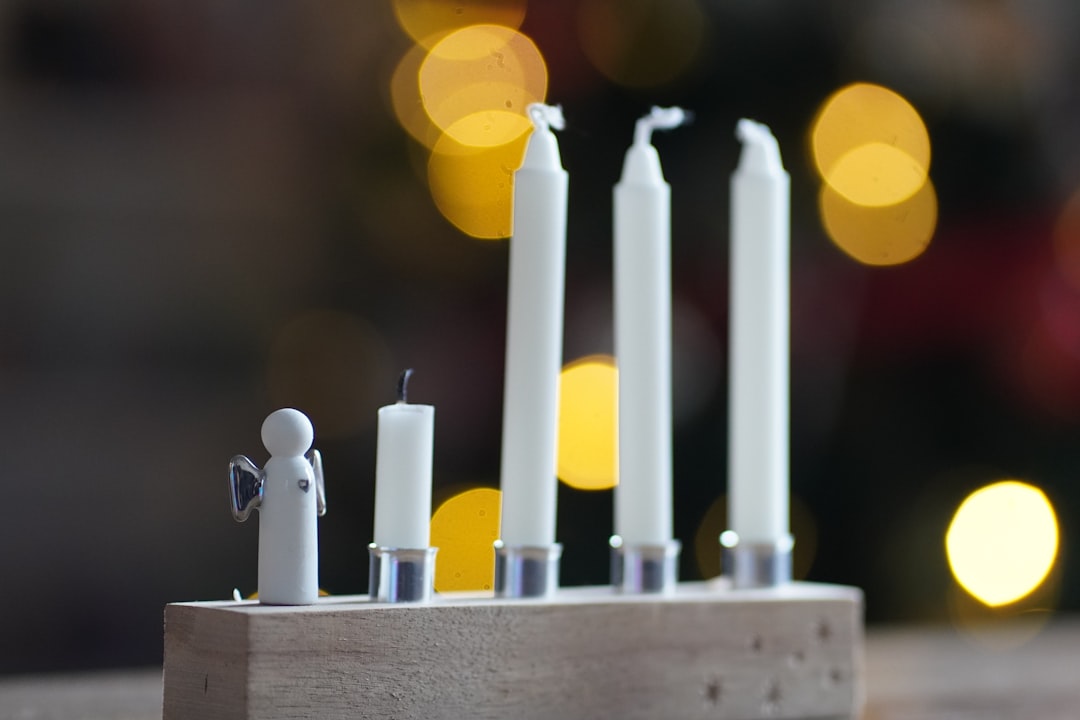
Pillar candles need a harder wax that can stand on its own without a container. Paraffin is the traditional choice here because of its firmness and ability to release from molds cleanly. Beeswax also excels for pillars, creating sturdy, long-lasting candles with that gorgeous natural color. These candles become stunning focal points on dining tables or console tables, especially when you create graduated heights for visual interest.
For votives and tealights, you want a wax that can handle the smaller format without smoking or creating too much heat. A paraffin-stearic acid blend works wonderfully, as does a harder soy wax specifically formulated for votives. These little candles are perfect for creating ambiance in bedrooms, bathrooms, or during intimate dinner settings.
Taper candles require the hardest wax to maintain their elegant shape and prevent drooping. Beeswax is traditionally used for tapers and creates those beautiful, dripless candles you see in formal settings. The higher melting point means they stand tall and proud on candlesticks without bending or warping in warm environments.
What Makes the Best Wax for Fragrance Throw
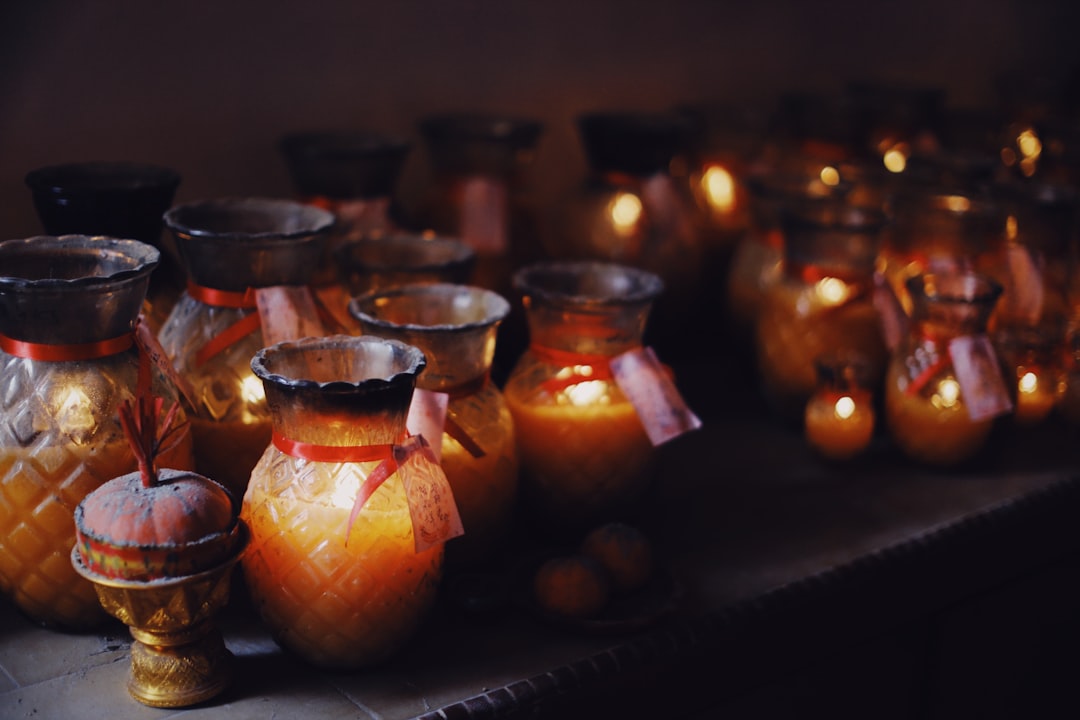
If creating beautifully scented spaces is your goal (and honestly, isn’t that why most of us make candles?), understanding fragrance throw is crucial. This is where wax choice becomes really important, and I’ve spent countless hours testing different combinations to get that perfect scent distribution.
Paraffin wax is still the reigning champion for both hot and cold throw. Cold throw is the scent you smell when the candle isn’t burning, while hot throw is the fragrance released when lit. Paraffin’s molecular structure allows it to hold and release fragrance oils exceptionally well. If you want your entire first floor to smell like cinnamon apple or ocean breeze, paraffin delivers that powerful presence. According to HGTV’s candle-making guide, paraffin can typically hold 10-12% fragrance oil by weight.
Soy wax offers a more subtle scent throw that some people actually prefer. It creates a gentler fragrance experience that fills a room without being overwhelming. I find this perfect for bedrooms where you want calming scents like lavender or chamomile without them being too intense. The key is using a higher percentage of fragrance oil—usually 8-10%—and choosing high-quality oils specifically formulated for soy wax.
Coconut wax has emerged as a fantastic middle ground, offering excellent hot throw while maintaining that natural, clean-burning quality. It holds fragrance beautifully and releases it evenly throughout the burn. Palm wax also provides strong scent throw and works particularly well with earthy, natural fragrances like sandalwood or cedar.
Here’s an insider tip: wax blends often provide the best of both worlds. A soy-paraffin blend, for instance, gives you the eco-friendlier aspects of soy with the superior scent throw of paraffin. Many professional candle makers swear by these blends for achieving that perfect balance between performance and sustainability.

Natural vs. Synthetic: Making the Right Choice
This is where things get personal, and there’s honestly no wrong answer—just different priorities. Let me break down the considerations so you can make the choice that aligns with your values and goals.
Natural waxes like soy, beeswax, and coconut appeal to the eco-conscious crowd, and I completely understand why. They’re renewable, biodegradable, and generally produce less soot when burning properly. Soy wax is made from soybeans grown in the United States, supporting American agriculture. Beeswax is a byproduct of honey production, making it a sustainable choice that also supports beekeepers. These natural options align beautifully with the current trend toward sustainable, mindful living that we’re seeing throughout interior design in 2026.
The drawbacks? Natural waxes can be more expensive and sometimes trickier to work with. They may require specific temperature ranges and techniques to achieve professional results. Soy wax, in particular, can develop frosting—a white crystalline appearance on the surface—which doesn’t affect performance but can look less polished if you’re going for that boutique aesthetic.
Paraffin wax, while synthetic, has advantages that keep it popular among candle makers. It’s affordable, readily available, and incredibly consistent in quality. The scent throw is unmatched, and it’s forgiving for beginners learning proper pouring techniques. Modern paraffin waxes are highly refined and produce minimal soot when paired with proper wicks and burned correctly.
I personally keep both natural and synthetic waxes in my studio. For candles I’m making for my own home, especially in spaces where I spend lots of time like my bedroom or home office, I lean toward soy or beeswax. For gifts or decorative candles where I want maximum fragrance impact, I’ll often choose paraffin or a quality blend. There’s no need to be dogmatic about it—choose what works for your specific project and priorities.
| Wax Type | Best For | Burn Quality | Eco-Friendly | Skill Level |
|---|---|---|---|---|
| Soy Wax | Container candles | Clean, slow burn | Yes | Beginner |
| Paraffin Wax | Pillars, strong scent | Excellent throw | No | Beginner |
| Beeswax | Tapers, pillars | Longest burn time | Yes | Intermediate |
| Coconut Wax | Luxury containers | Smooth, even burn | Yes | Intermediate |
| Palm Wax | Decorative containers | Beautiful patterns | Yes (if sustainable) | Intermediate |
| Wax Blends | Versatile applications | Balanced performance | Depends on blend | Beginner |
Pro Tips for Working with Candle Wax
After making hundreds of candles, I’ve picked up some tricks that make the process smoother and the results more professional. These insights would have saved me so much frustration when I was starting out!
Temperature is absolutely critical. Each wax type has an optimal pouring temperature, and straying from it can cause issues like sinkholes, frosting, or poor fragrance throw. For soy wax, I pour between 120-140°F, while paraffin typically wants to be around 150-175°F. Invest in a good thermometer—it’s not optional if you want consistent results. I use a digital one that clips to my melting pot, and it’s been a game-changer for achieving repeatable success.
Pre-heat your containers. This simple step prevents the wax from cooling too quickly on contact with cold glass, which can create those annoying wet spots or poor adhesion. I place my jars in a warm oven (around 100-120°F) for about ten minutes before pouring. This is especially important with soy wax, which is more sensitive to temperature fluctuations than paraffin.
Don’t rush the curing process. I know it’s tempting to light your candle immediately, but patience pays off. Soy candles need at least 24-48 hours to fully cure and for the fragrance to bind properly with the wax. Paraffin is faster, usually ready within 24 hours, but beeswax benefits from even longer—up to a week for optimal performance. Trust me, waiting results in better scent throw and cleaner burns.
Match your wick to your wax. Different waxes have different densities and melting points, which means they need different wick sizes. Soy wax typically requires a larger wick than paraffin for the same diameter candle because it’s denser. Always test burn your candles and adjust wick size accordingly. A properly wicked candle creates a full melt pool across the entire surface within 2-4 hours.
Store your wax properly. Keep unused wax in a cool, dry place away from direct sunlight. I store mine in airtight containers labeled with the wax type and any specific notes about its characteristics. Wax can absorb odors from its environment, so keep it away from strong-smelling items in your storage area. Proper storage keeps your wax fresh and performing consistently batch after batch.
Experiment with wax blends. Don’t be afraid to mix different waxes to create custom blends that work for your specific needs. A common blend is 80% soy with 20% paraffin, which gives you the natural appeal of soy with improved scent throw. Keep detailed notes about your ratios and results—this becomes your personal formula library over time.
Consider the season. In warmer months, harder waxes or blends work better because they won’t soften as much in heat. During winter, you have more flexibility with softer waxes. I adjust my wax choices based on both the season and where the candles will be used. A candle heading to a warm bathroom needs a harder wax than one destined for a cool bedroom.
Frequently Asked Questions
What is the easiest wax for beginners to use?
Soy wax is hands-down the most beginner-friendly option for candle making. It has a forgiving temperature range, cleans up easily with just soap and water, and produces beautiful results even if you’re still learning proper technique. The lower melting point makes it safer to work with than hotter waxes, and it’s widely available at craft stores and online suppliers. I always recommend starting with soy wax in container candles—it’s the most straightforward combination for your first few batches. Once you’re comfortable with the basic process, you can explore other wax types and more challenging candle styles.
Can I mix different types of wax together?
Absolutely, and many professional candle makers create custom blends to achieve specific characteristics. The most popular combination is soy and paraffin, which gives you a balance of natural ingredients with superior scent throw. When blending waxes, start with small test batches and keep detailed notes about your ratios and results. Generally, you’ll want to melt each wax separately to their optimal temperatures before combining them. Some waxes blend more successfully than others—soy and paraffin work well together, as do paraffin and beeswax, but beeswax and soy can be trickier. The key is experimentation and documenting what works for your specific applications.
How much fragrance oil should I add to my candle wax?
The amount of fragrance oil depends on your wax type and the strength of scent you desire. Most waxes can safely hold between 6-12% fragrance oil by weight. Soy wax typically works best with 8-10% fragrance load, while paraffin can handle up to 12%. I always weigh my fragrance oils rather than measuring by volume for accuracy and consistency. Start on the lower end and increase gradually until you achieve your desired scent throw. Adding too much fragrance can actually decrease performance, causing poor burning, excessive soot, or fragrance sweating out of the wax. Quality fragrance oils specifically formulated for candle making will perform better than general fragrance oils.
Why is my soy wax candle developing a white, frosty appearance?
Frosting is a natural characteristic of pure soy wax and occurs when the wax crystallizes as it cools. It’s purely cosmetic and doesn’t affect the candle’s performance at all—it will burn exactly the same. That said, if you’re going for a polished look, there are ways to minimize frosting. Pour at the correct temperature (usually around 135°F for soy), avoid temperature fluctuations during cooling, and pre-heat your containers. Some candle makers embrace frosting as part of the handmade charm. If it really bothers you, consider using a soy wax blend that’s specifically formulated to resist frosting, or switch to a different wax type like coconut or a soy-paraffin blend.
Is beeswax worth the higher price for candle making?
Beeswax is definitely more expensive than soy or paraffin, but it brings unique qualities that justify the cost for certain applications. It burns longer than any other wax, has a naturally beautiful honey scent, and purifies the air while burning. The rich, golden color is gorgeous without adding any dyes, making it perfect for natural, rustic aesthetics. I think beeswax is absolutely worth it for pillar candles, tapers, or special occasion candles where you want that premium quality. For everyday container candles where you’re adding fragrance oils anyway, soy or a blend might be more economical. Consider beeswax an investment in creating heirloom-quality candles that make stunning gifts or elevate special spaces in your home.
Creating Your Perfect Candle
Finding the best wax to use for candle making is really about matching the wax characteristics to your specific goals and style preferences. Whether you choose the eco-friendly appeal of soy, the powerful fragrance throw of paraffin, the natural elegance of beeswax, or the luxurious feel of coconut, each wax type has its place in creating beautiful, functional candles for your home.
Remember that candle making is both an art and a science. Don’t be discouraged if your first few batches aren’t perfect—mine certainly weren’t! Keep experimenting, take notes on what works, and most importantly, enjoy the creative process. There’s something wonderfully satisfying about lighting a candle you made yourself and watching it glow softly in your carefully curated space. Whether you’re creating candles for a romantic dinner at home, cozy evenings in your reading nook, or thoughtful handmade gifts, you now have the knowledge to choose the perfect wax for your project. Happy candle making!