

There’s something truly magical about creating an outdoor space that feels like an extension of your home. I’ve spent countless hours helping clients transform their patios, decks, and gardens into stunning retreats, and I can tell you that choosing the best outdoor furniture makes all the difference. Whether you’re planning intimate morning coffees on the balcony or hosting sunset gatherings with friends, the right furniture sets the stage for those memorable moments.
You might be wondering what makes outdoor furniture “the best,” and honestly, it’s not just about picking the prettiest pieces. I’ve learned that the perfect outdoor furniture balances durability, comfort, style, and maintenance requirements. It needs to withstand whatever weather your region throws at it while looking gorgeous season after season. Trust me, I’ve seen too many beautifully designed spaces fall apart because the furniture couldn’t handle the elements.
In this guide, I’m sharing everything I know about selecting the best outdoor furniture for your space. We’ll explore materials, styles, and specific pieces that have proven themselves time and again. You’ll discover which options work best for different climates, budgets, and design aesthetics, plus insider tips that’ll save you from common pitfalls.
| Key Consideration | Details |
|---|---|
| Budget Range | competitive price range,000+ depending on material and set size |
| Top Materials | Teak, aluminum, all-weather wicker, HDPE poly lumber |
| Maintenance Level | Low to moderate; varies by material choice |
| Lifespan | 5-20+ years with proper care |
| Best For | Patios, decks, gardens, poolside areas, balconies |
| Style Options | Modern, coastal, traditional, farmhouse, Mediterranean |
Understanding Outdoor Furniture Materials
Let me start with the foundation of any outdoor furniture decision: the material. I always tell my clients that this is where you really need to do your homework, because the material determines everything from longevity to maintenance needs. What works beautifully in sunny California might be a disaster in humid Florida or snowy Minnesota.
Teak stands as the gold standard for wooden outdoor furniture, and for good reason. This gorgeous hardwood contains natural oils that repel water and resist rot, insects, and warping. I’ve seen teak furniture last decades with minimal care. Yes, it develops a silvery-gray patina over time, but many people (myself included) find that weathered look absolutely charming. If you prefer the warm honey tone, you can maintain it with teak oil treatments. Just know that quality teak comes with a higher price tag—typically great value to great value,000 for a dining set.
Aluminum has become one of my favorite recommendations for clients who want modern aesthetics with zero rust worries. It’s incredibly lightweight, which makes rearranging your space effortless, yet surprisingly sturdy when properly constructed. Powder-coated aluminum resists fading and corrosion beautifully. I particularly love how aluminum frames work with cushions and slings to create comfortable, contemporary seating. The best part? It’s typically more affordable than wood, with quality sets ranging from great value to great value,000.
All-weather wicker (also called resin wicker) gives you that classic, elegant look without the maintenance headaches of natural wicker. Made from polyethylene or PVC, this synthetic material handles rain, sun, and temperature changes like a champion. I’ve installed these sets in coastal homes where salt air would destroy natural materials, and they still look fantastic years later. According to Better Homes & Gardens, quality all-weather wicker should be UV-resistant and have aluminum frames for maximum durability.
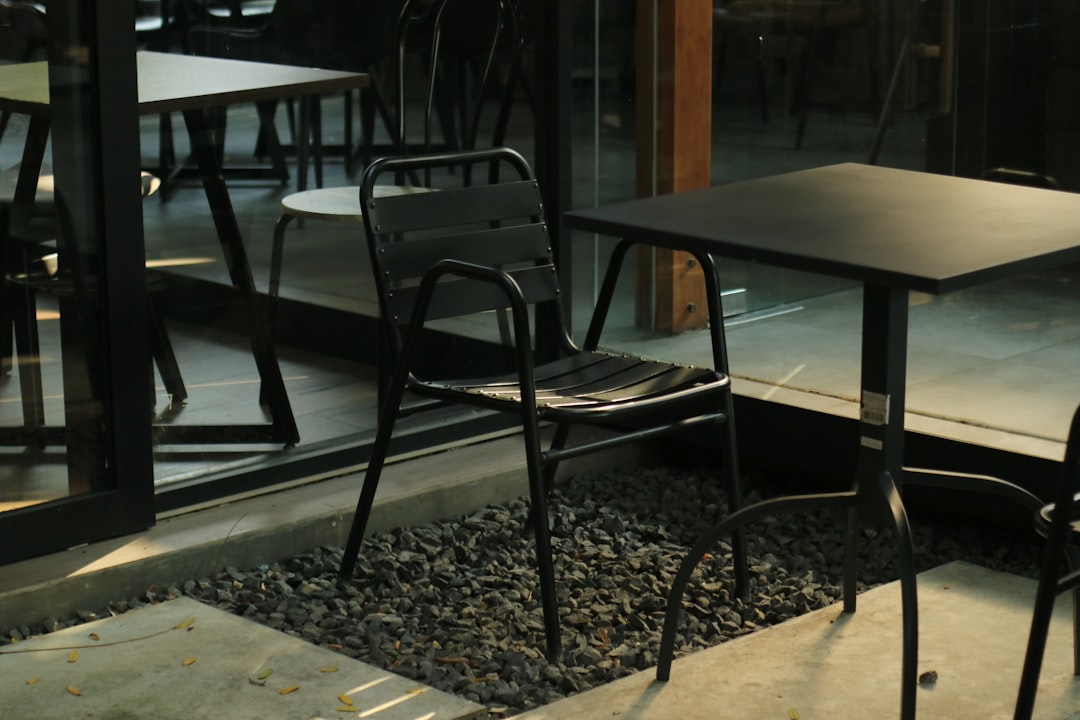
Choosing the Right Furniture for Your Space
Here’s what most people get wrong: they fall in love with a furniture set before considering their actual space and how they’ll use it. I’m guilty of this too! But I’ve learned that the best outdoor furniture is the kind that fits your lifestyle perfectly, not just the piece that looks amazing in the showroom.
Start by measuring your outdoor area—and I mean really measuring it. Leave at least 24 to 36 inches of walking space around furniture pieces. For dining areas, remember that chairs need 36 to 42 inches of pullback space. I once helped a client who’d bought a stunning 8-person dining table only to realize people couldn’t actually move around it comfortably on their deck. We ended up exchanging it for a smaller set with an extendable option, which worked much better.
Think about your primary use case. Are you a serial entertainer who hosts dinner parties every weekend? Then a substantial dining set should be your priority, with comfortable seating as a secondary investment. More of a morning coffee and book person? A cozy bistro set or a pair of deep-cushioned lounge chairs might be all you need. I love modular sectionals for clients who want flexibility—you can reconfigure them for intimate conversations or larger gatherings.
Consider your storage situation too. If you’re in a region with harsh winters or intense storms, you’ll need somewhere to store cushions and possibly the furniture itself. Folding chairs, stackable pieces, and furniture with removable components make storage infinitely easier. I always recommend checking if cushions come with storage bags—it’s a small detail that makes a big difference when you’re rushing to beat an unexpected rainstorm.
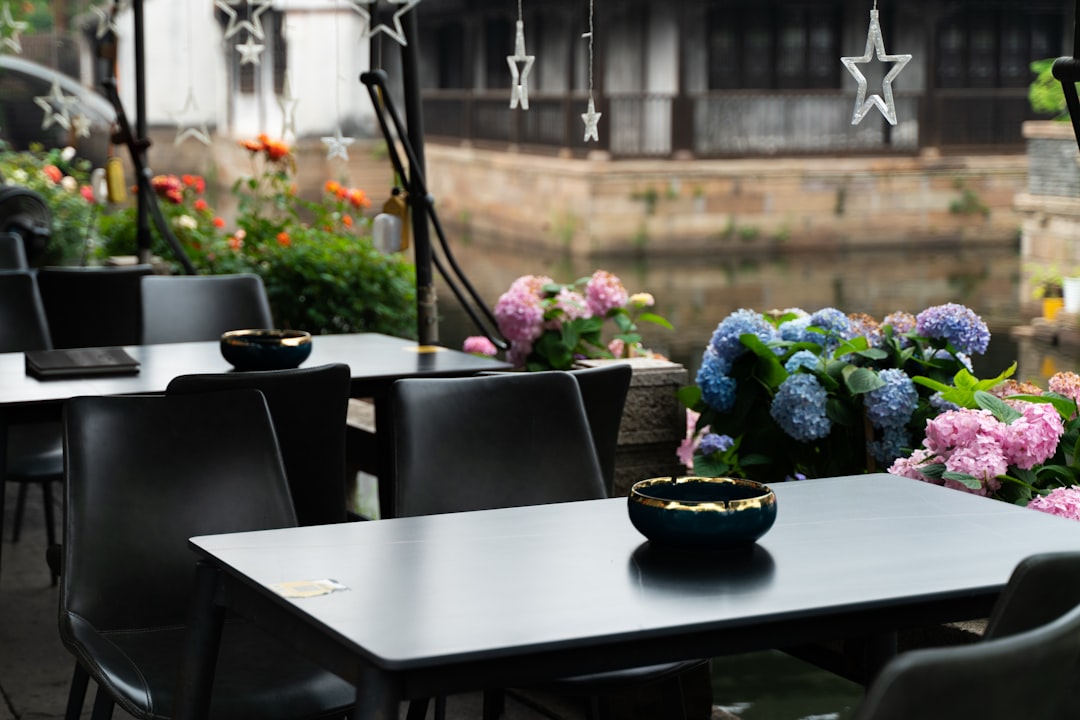
Best Outdoor Furniture by Category
Let me walk you through my top picks across different furniture categories. These recommendations come from years of real-world testing—both in my own spaces and in countless client projects where I’ve seen what truly holds up.
Dining Sets: For the best overall dining experience, I consistently recommend aluminum frames with powder-coated finishes paired with weather-resistant cushions. The combination gives you durability without sacrificing comfort. Brands like Tropitone and Brown Jordan offer exceptional quality in the great value,500 to great value,000 range. If you’re working with a tighter budget, look for sets from Outer or Article, which offer surprisingly good quality starting affordably priced. For small spaces, a bistro set in wrought iron or teak provides charm and functionality without overwhelming your balcony or compact patio.
Lounge Seating: Deep-seating sectionals in all-weather wicker have stolen my heart completely. They create that luxurious resort feeling while being practical for everyday use. Look for pieces with thick, quick-dry foam cushions (at least 5 inches) covered in solution-dyed acrylic fabric like Sunbrella. These fabrics resist fading, mildew, and staining remarkably well. I’ve had clients spill red wine on white Sunbrella cushions and watched it wipe clean with just water. Restoration Hardware’s outdoor collection, while pricey, delivers exceptional comfort and style. For budget-friendly alternatives, IKEA’s ÄPPLARÖ series and Wayfair’s outdoor lines offer solid options.
Loungers and Daybeds: If you’re creating a poolside paradise or a sun-soaking sanctuary, adjustable chaise lounges are non-negotiable. Teak loungers with wheels offer both elegance and practicality—you can chase the sun or find shade as needed. Aluminum frames with textilene mesh are another fantastic option because they dry quickly and resist mildew. For the ultimate luxury, outdoor daybeds with canopies create dramatic focal points. Just make sure the canopy fabric is fade-resistant and the frame is heavy enough to stay put in wind.
Accent Tables: Don’t overlook the importance of side tables and coffee tables in your outdoor setup. I love using weathered teak or concrete side tables—they add texture and visual interest while being practically indestructible. Ceramic garden stools double as both seating and tables, plus they come in gorgeous colors and patterns. For coffee tables, consider materials like porcelain, granite, or tempered glass, which handle weather and heavy use beautifully. Avoid unfinished wood or untreated metal, which will deteriorate quickly outdoors.
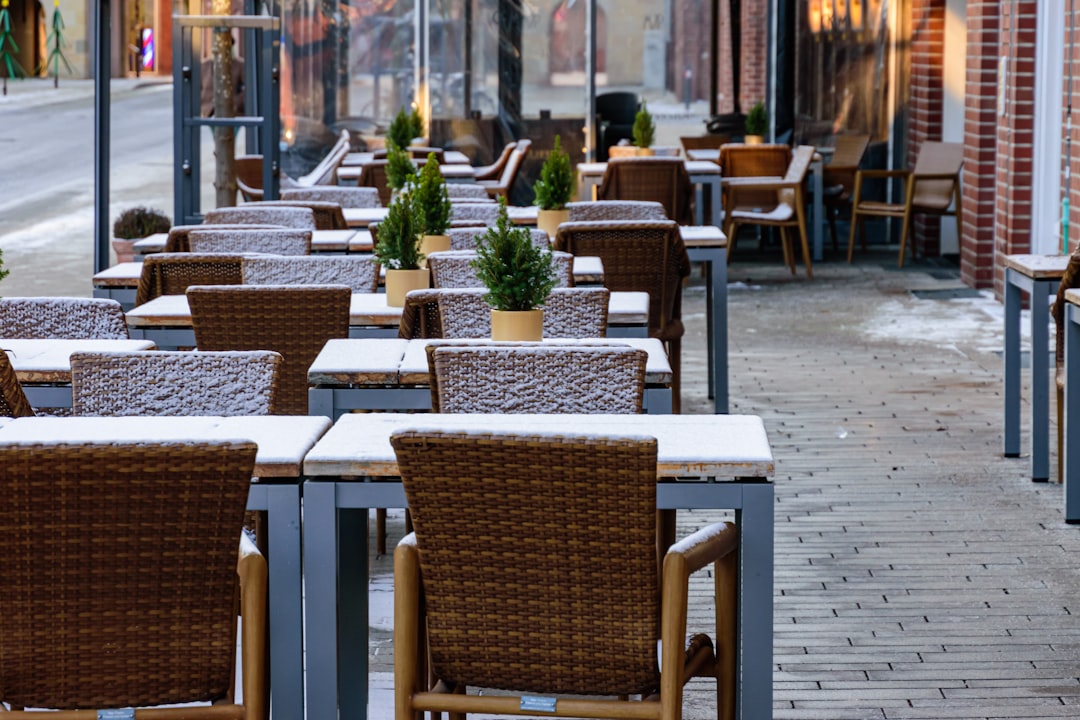
Style Considerations and Design Cohesion
Now let’s talk about making your outdoor furniture look intentional and pulled-together. I see so many outdoor spaces that feel like furniture graveyards where pieces from different eras and styles landed randomly. Trust me, cohesive design doesn’t mean everything has to match exactly, but there should be a unifying thread.
For a coastal style, think whites, soft blues, natural woods, and wicker. I love pairing whitewashed teak with navy and white striped cushions. Add in some rope accents—maybe a jute rug or rope-wrapped table legs—and suddenly you’ve got that breezy seaside vibe. Keep metals to brushed nickel or weathered bronze rather than shiny chrome.
Modern minimalist outdoor spaces shine with clean-lined aluminum or steel furniture in monochromatic colors. Stick with blacks, whites, grays, or single bold colors. The key here is restraint—fewer pieces with strong geometric shapes make more impact than lots of fussy details. I often recommend low-profile sectionals with thin arms and legs that create visual lightness. According to Architectural Digest, mixing materials like concrete, metal, and wood in similar tones creates sophisticated modern outdoor rooms.
For traditional or farmhouse aesthetics, wrought iron and dark wood furniture feels right at home. Think scrollwork details, plank-style tables, and classic adirondack chairs. Soften the look with floral or gingham cushion patterns. I love adding vintage elements like galvanized metal planters or antique lanterns to complete the look. Distressed finishes on wood furniture enhance that lived-in, welcoming feeling.
Mediterranean or Spanish inspired spaces call for wrought iron, terracotta accents, and vibrant colors. I often use mosaic-topped tables, ornate metal chairs, and cushions in rich jewel tones like deep turquoise, terracotta orange, and golden yellow. The furniture can be quite decorative in these styles—embrace curves, patterns, and ornamental details.
| Material | Price Range | Durability | Maintenance | Best Climate |
|---|---|---|---|---|
| Teak | $$$ | Excellent (20+ years) | Low | All climates |
| Aluminum | $$ | Excellent (15+ years) | Very Low | All climates, especially coastal |
| All-Weather Wicker | $$ | Very Good (10-15 years) | Low | All climates |
| HDPE Poly Lumber | $$-$$$ | Excellent (20+ years) | Very Low | All climates |
| Wrought Iron | $$ | Good (10-15 years) | Moderate (rust prevention) | Dry climates preferred |
| Eucalyptus | $-$$ | Good (5-10 years) | Moderate | Temperate climates |
Cushions and Textiles: The Comfort Factor
You could have the most beautiful outdoor furniture frames in the world, but if the cushions are flat, moldy, or faded, the whole setup falls apart. I’ve learned that investing in quality cushions is just as important as choosing the right furniture—maybe even more so since cushions directly impact your comfort.
The magic word here is “solution-dyed.” Solution-dyed acrylic fabrics like Sunbrella have the color bonded into the fiber itself rather than printed on top, which means they resist fading dramatically better than regular outdoor fabrics. I’ve seen Sunbrella cushions maintain their color for 7-10 years in full sun. Yes, they cost more upfront (usually competitive price rangeper cushion), but they’re worth every penny. Cheaper cushions might save you money initially, but you’ll replace them every year or two.
Foam quality matters tremendously. Look for high-density foam specifically designed for outdoor use, wrapped in a moisture barrier. Quick-dry foam is a game-changer—it has channels that allow water to drain through quickly rather than creating a soggy, mildew-prone mess. I always recommend cushions that are at least 4-5 inches thick for seating and 2-3 inches for backs. Anything thinner feels uncomfortable after about 15 minutes.
Consider removable covers with zippers. Being able to throw cushion covers in the washing machine when they get dirty makes maintenance so much easier. I also love when covers have ties or Velcro to secure them to furniture—nothing’s more annoying than cushions sliding around or blowing away in the wind. For pillows, look for ones with hidden zippers or envelope closures that keep the hardware from scratching your furniture or poking you.
Don’t forget about texture and layering. Mix solid colors with patterns in complementary hues. I love using larger patterns on seat cushions and smaller or solid colors on throw pillows. Outdoor rugs add another layer of comfort and help define seating areas. Choose rugs made from polypropylene or recycled plastic—they handle moisture beautifully and come in endless patterns and colors.
Pro Tips for Selecting and Maintaining Outdoor Furniture
After years of designing outdoor spaces and learning from both successes and mistakes, I’ve gathered some insider secrets that’ll help you make smart decisions and keep your furniture looking gorgeous for years. These are the tips I share with every client, and they’ve saved countless outdoor furniture investments.
First, always test furniture in person before buying if possible. Sit in it, rock it, check the joints and connections. I know online shopping is convenient, but outdoor furniture is a significant investment where touch and feel really matter. Notice how the cushions feel, whether the armrests hit at a comfortable height for you, and if the overall scale feels right. What looks perfect in a warehouse showroom might feel too bulky or too delicate in your actual space. If you must buy online, choose retailers with generous return policies so you’re not stuck with pieces that don’t work.
Here’s something I wish I’d known earlier: weight matters more than you might think. Lighter furniture is easier to move around but more likely to blow over in storms. Heavier pieces stay put but