

I’ll never forget the first time I truly understood the power of a great candle. I was staging a home that had been sitting on the market for weeks, and within minutes of lighting the right candle, the entire atmosphere shifted. The space felt warm, inviting, and lived-in—exactly what buyers needed to feel. That’s when I realized that choosing what’s the best candle isn’t just about fragrance; it’s about creating an entire sensory experience that transforms your space.
You’ve probably walked past the candle aisle at least a hundred times, overwhelmed by the sheer number of options. Soy versus paraffin, single wick versus three-wick, clean scents versus gourmand—it’s enough to make anyone’s head spin. The truth is, the best candle for your home depends on several factors, from the size of your room to your personal scent preferences and even your health considerations.
In this guide, I’m sharing everything I’ve learned about selecting the perfect candle for your space. Whether you’re looking to create a cozy reading nook, freshen up your bathroom, or add ambiance to your living room, you’ll discover exactly what to look for and which candles truly deliver on their promises.
| Key Factor | Details |
|---|---|
| Wax Type | Soy, paraffin, beeswax, coconut, or blends |
| Burn Time Range | 20-100+ hours depending on size and quality |
| Best For | Ambiance, fragrance, wellness, or decor |
| Room Size Consideration | Small (bathroom), medium (bedroom), large (living room) |
| Wick Types | Cotton, wood, multi-wick for different effects |
Understanding Candle Wax Types and Why It Matters
The foundation of any great candle is its wax, and trust me, this makes all the difference in how your candle performs. When I’m helping clients choose candles for their homes, this is always where we start the conversation. The wax type affects everything from burn time to scent throw to how clean the candle burns.
Soy wax has become incredibly popular in recent years, and for good reason. It burns cleaner than traditional paraffin, produces less soot, and is made from renewable resources. I love recommending soy candles for bedrooms and nurseries because they’re gentler on indoor air quality. They also hold fragrance beautifully and tend to burn more slowly, giving you more value for your investment. If you’re curious about different wax options and their benefits, our guide on the best wax to use for candle making offers detailed insights into each type’s characteristics.
Paraffin wax, despite getting a bad reputation in some circles, is still the most widely used candle wax in the world. It offers excellent scent throw—meaning it fills a room with fragrance more effectively than most alternatives. However, it’s petroleum-based and can produce more soot when burned. I typically recommend paraffin candles for larger spaces where you want maximum fragrance impact and proper ventilation is available.
Beeswax is the luxury option that I absolutely adore for its natural honey scent and air-purifying properties. It actually releases negative ions when burned, which can help cleanse the air of pollutants. The only downside? Beeswax candles tend to be more expensive and don’t hold added fragrances as well as other wax types. Coconut wax is the newcomer that’s gaining traction—it’s sustainable, burns slowly, and offers a wonderful creamy appearance that looks gorgeous in clear glass containers.

Scent Profiles: Finding Your Perfect Match
Here’s what most people get wrong about choosing candle scents: they pick what smells good in the store without considering how it’ll work in their actual space. I’ve seen so many beautiful candles end up abandoned in closets because the scent was overwhelming or just didn’t match the room’s purpose.
For living rooms and main gathering spaces, I lean toward warm, welcoming scents that most people find appealing. Think vanilla bean, cashmere woods, amber, or fresh linen. These are crowd-pleasers that create an inviting atmosphere without being polarizing. Citrus-based scents like bergamot or grapefruit work wonderfully in kitchens and dining areas, helping to neutralize cooking odors while adding freshness.
Bedrooms call for calming, soothing fragrances that promote relaxation. Lavender is the classic choice for good reason, but I’m also obsessed with chamomile, sandalwood, and soft vanilla scents. Avoid anything too energizing or sharp in the bedroom—you want to wind down, not feel like you’re in a spa treatment room. For bathrooms, clean scents like eucalyptus, sea salt, or white tea create that spa-like feel without competing with your personal care products.
Seasonal scents deserve their own mention because they can completely transform how your home feels throughout the year. I rotate my candles seasonally—cinnamon and pine in winter, fresh florals in spring, light citrus in summer, and apple cider or pumpkin in fall. This simple change keeps your space feeling current and intentional. Many of the top candle brands have perfected these seasonal offerings, which you can explore further in our comprehensive review of the best candle brands available today.

Size, Wick Count, and Burn Time Considerations
The size of your candle needs to match the size of your room—it’s that simple, yet it’s something I see people overlook constantly. A tiny votive candle in a large living room won’t provide enough scent throw, while a massive three-wick candle in a small powder room will be completely overwhelming.
For small spaces like bathrooms, home offices, or walk-in closets (yes, I love a good closet candle!), look for candles in the 4-8 ounce range. These typically feature a single wick and will provide 20-40 hours of burn time. They’re perfect for creating ambiance without overpowering the space. Medium-sized bedrooms and dining rooms work well with 10-14 ounce candles, which usually burn for 50-70 hours.
Large living rooms, open-concept spaces, and family rooms need the heavy hitters—three-wick candles in the 14-22 ounce range. I absolutely love these for entertaining because they create both visual impact and strong scent throw. The multiple wicks also create a more even burn, which means you won’t end up with that frustrating tunnel effect where wax builds up along the sides. These larger candles can burn for 80-100+ hours when properly cared for.
Wood wicks have become trendy in recent years, and I have to admit, I’m a fan for specific situations. They create a soft crackling sound that mimics a fireplace, adding another sensory dimension to your space. They work beautifully in cozy reading nooks or bedrooms where you want that extra touch of ambiance. However, they can require more maintenance—trimming wood wicks properly is essential for optimal performance.
Clean Burning and Health Considerations
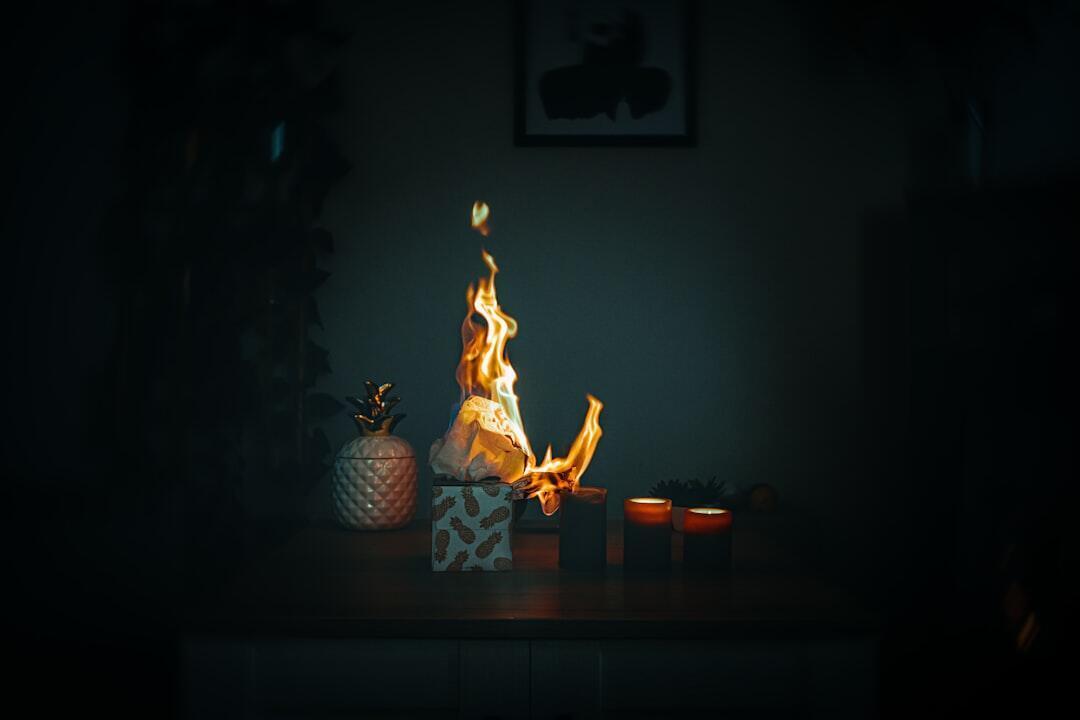
There’s something I need to address that doesn’t get talked about enough in candle discussions: indoor air quality. We spend so much time thinking about what smells good, but not enough time considering what we’re actually releasing into the air we breathe. This has become especially important to me since working with clients who have allergies or sensitivities.
Clean-burning candles should be a priority for everyone, but especially if you have children, pets, or anyone with respiratory sensitivities in your home. Look for candles made with natural waxes (soy, beeswax, coconut) and cotton or wood wicks. Avoid candles with lead-core wicks—these were banned in 2003, but if you’re using older candles, check by rubbing the wick on paper; if it leaves a gray mark, it contains lead.
Fragrance oils versus essential oils is another consideration worth your attention. Pure essential oil candles are wonderful for those seeking completely natural options, though they tend to have a lighter scent throw. Many high-quality candles use phthalate-free fragrance oils, which offer stronger scents while still being body-safe. Always check the label or manufacturer’s website for details about their fragrance sourcing.
Proper ventilation matters more than most people realize. I always crack a window slightly when burning candles, especially in smaller rooms. This ensures fresh air circulation and prevents any potential buildup of particulates. It’s also why I recommend giving your candles a break—burning them for more than four hours at a stretch isn’t ideal for air quality, even with the cleanest candles.
Aesthetic Appeal and Vessel Selection
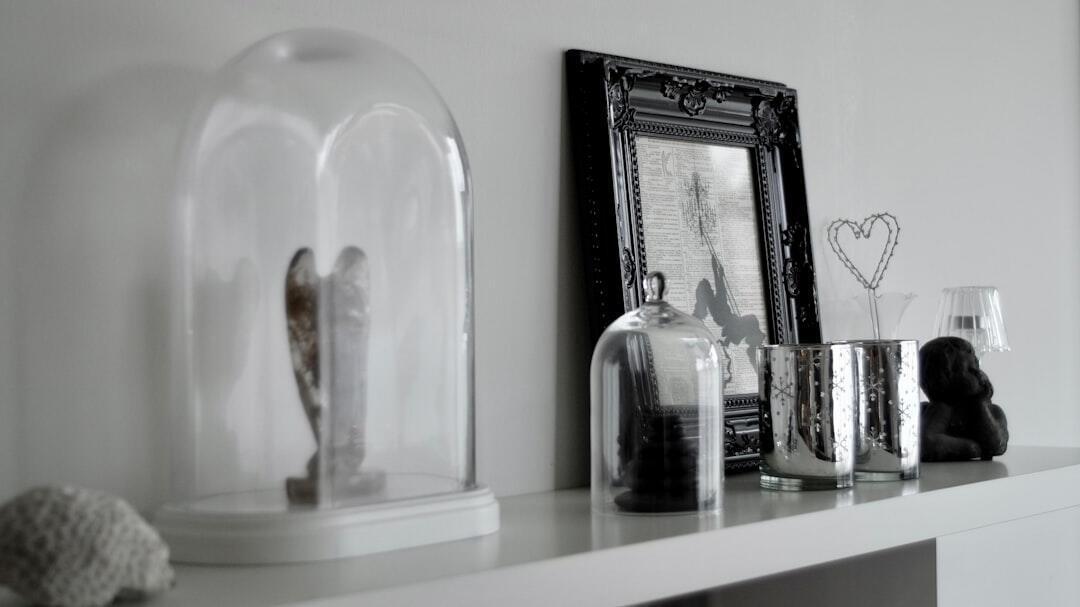
Let’s talk about something that brings me so much joy: candles as decorative objects. A beautiful candle isn’t just about what happens when you light it—it’s a permanent fixture in your decor scheme. I choose candles with the same care I’d give to selecting a vase or sculpture because they’re on display all the time.
Glass vessels remain the most popular choice, and I understand why. They’re timeless, versatile, and allow you to see the wax and flame. Clear glass works in literally any decor style, while colored glass can add a pop of personality. I’m particularly drawn to amber, smoked glass, and soft blush tones right now. The weight of the glass matters too—heavier vessels feel more luxurious and provide better heat resistance.
Ceramic and concrete vessels have exploded in popularity over the past few years. These work beautifully in modern, minimalist, or industrial spaces. I love that you can repurpose these containers once the candle is finished—they make excellent plant pots, desk organizers, or bathroom storage. According to experts at HGTV, choosing vessels that complement your existing decor creates a more cohesive, intentional look.
Tin containers are underrated in my opinion. They’re practical, travel-friendly, and often come in gorgeous vintage-inspired designs. I keep tin candles in guest rooms, bathrooms, and even my car for that instant mood boost. Metal vessels also tend to be more affordable, making them perfect for trying new scents without a major commitment. Just remember that metal conducts heat, so always place these on a heat-resistant surface.
Pro Tips for Candle Selection and Care
After years of working with candles in design projects and my own home, I’ve learned some tricks that most people never discover on their own. First, always trim your wick to about 1/4 inch before each burn. This prevents mushrooming, reduces soot, and ensures a cleaner, more even burn. I keep a dedicated wick trimmer on my coffee table—it’s become part of my candle ritual.
The first burn is absolutely critical, and this is where most people mess up. When you light a new candle for the first time, let it burn until the entire top layer of wax has melted to the edges of the container. This creates a “memory” for the candle and prevents tunneling in future burns. Yes, this might take 2-4 hours depending on the size, but trust me, it’s worth the patience.
Candle placement affects both safety and performance. Keep candles away from drafts, vents, and ceiling fans, which can cause uneven burning and excessive flickering. I place mine on stable, heat-resistant surfaces at least three feet away from anything flammable. In terms of scent distribution, positioning candles at different heights helps the fragrance circulate throughout the room rather than pooling in one spot.
Storage matters more than you might think. I keep my unburned candles in a cool, dry place away from direct sunlight, which can fade both the wax color and the fragrance potency. For seasonal candles, I wrap them in tissue paper before storing them in a closet. This keeps the scent fresh and prevents dust accumulation on the wax surface.
Here’s a trick I learned from a professional chandler: if your candle develops an uneven surface or slight tunneling, you can fix it with aluminum foil. Wrap foil around the top of the burning candle, leaving the center open. The foil reflects heat back onto the wax, helping it melt more evenly. Remove the foil after about an hour, and you should see improvement.
Rotating your candle collection keeps your nose from becoming desensitized to a particular scent. I have about six different candles that I cycle through, even within the same season. This way, each scent feels fresh and noticeable when I light it. Plus, it’s a great excuse to try new fragrances and discover what works best in different situations and moods.
Finally, know when to say goodbye to a candle. Once you’re down to about 1/2 inch of wax at the bottom, it’s time to stop burning it. The container can get dangerously hot, and you risk cracking glass or damaging surfaces. Instead, place the container in the freezer for a few hours—the remaining wax will pop right out, and you can clean the vessel for reuse. I currently have a collection of former candle jars that hold everything from cotton balls to spare change.
| Candle Type | Best Room | Burn Time | Scent Throw |
|---|---|---|---|
| Single Wick (4-8 oz) | Bathroom, Office | 20-40 hours | Light to Medium |
| Double Wick (10-14 oz) | Bedroom, Dining Room | 50-70 hours | Medium to Strong |
| Three Wick (14-22 oz) | Living Room, Open Space | 80-100+ hours | Strong |
| Travel Tin (2-4 oz) | Any Small Space | 10-20 hours | Light |
Frequently Asked Questions
How long should I burn a candle at one time?
The ideal burn time is between two to four hours per session. Burning for less than two hours can cause tunneling, where the wax doesn’t melt evenly across the surface. However, burning for more than four hours can cause the wick to mushroom and the container to overheat. I’ve found that three hours is the sweet spot for most candles—long enough to get a complete melt pool but short enough to maintain optimal performance. Always extinguish the candle, let it cool completely, trim the wick, and then you can light it again.
What’s the difference between cold throw and hot throw?
Cold throw refers to how a candle smells when it’s not lit—basically, what you smell when you’re shopping for candles in a store. Hot throw is the fragrance that fills the room when the candle is burning. Some candles have a beautiful cold throw but disappointing hot throw, which is frustrating when you get them home. Quality candles should perform well in both areas. When I’m testing new candles, I always light a small amount first to check the hot throw before committing to larger sizes or multiple purchases.
Are soy candles really better than paraffin?
It depends on what “better” means to you. Soy candles burn cleaner, produce less soot, and are made from renewable resources, making them more environmentally friendly. They also tend to burn slower, giving you more hours of enjoyment. However, paraffin candles typically offer stronger scent throw and are often more affordable. I use both in my home depending on the situation—soy in bedrooms and small spaces where air quality is paramount, and high-quality paraffin in larger entertaining spaces where I want maximum fragrance impact. Neither is inherently bad when made properly and burned correctly.
Why does my candle have a black ring around the jar?
That black residue is soot buildup, and it usually indicates that your wick is too long or you’re burning the candle in a drafty location. When wicks aren’t trimmed regularly, they create larger flames that produce more soot. Drafts from windows, fans, or vents can cause the flame to flicker excessively, also leading to soot production. The fix is simple: trim your wick to 1/4 inch before each burn, keep the candle away from air currents, and ensure you’re burning it on a stable, level surface. You can clean the soot off glass jars with a damp cloth and a bit of rubbing alcohol.
How can I make my candle scent stronger throughout the room?
If you’re not getting enough scent throw, there are several strategies to try. First, make sure you’re using an appropriately sized candle for your room—small candles simply won’t fill large spaces. Position the candle in a central location rather than tucked in a corner, and consider elevating it slightly, as heat rises and carries the fragrance with it. Burning the candle in a smaller, enclosed space before opening it to a larger area can also help build scent concentration. According to research on candle science, the composition of the wax and fragrance oil concentration significantly impacts scent throw, so choosing quality candles with higher fragrance loads makes a real difference. Finally, give your candle enough burn time to develop a full melt pool—this is when maximum fragrance is released.
Conclusion
Choosing what’s the best candle for your home is such a personal journey, and I hope this guide has given you the confidence to make selections that truly enhance your space. Remember, the perfect candle balances fragrance, burn quality, aesthetic appeal, and safety considerations. Whether you’re drawn to clean-burning soy candles for their environmental benefits, luxurious beeswax for air purification, or classic paraffin for powerful scent throw, there’s absolutely a perfect option waiting for you.
Don’t be afraid to experiment with different brands, scents, and sizes until you find your favorites. Some of my most beloved candle discoveries happened by accident when I was willing to try something new. Keep that first burn rule in mind, trim those wicks religiously, and treat your candles as the beautiful home accents they are. Your space deserves that warm, inviting glow and the perfect fragrance that makes it uniquely yours. Happy candle hunting, and may your home always smell amazing!